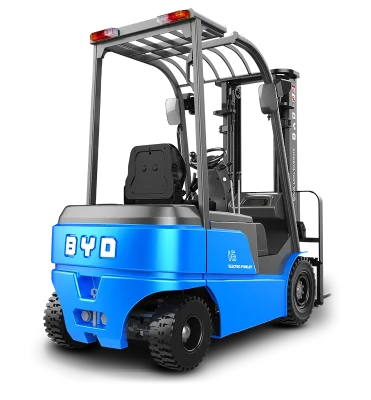
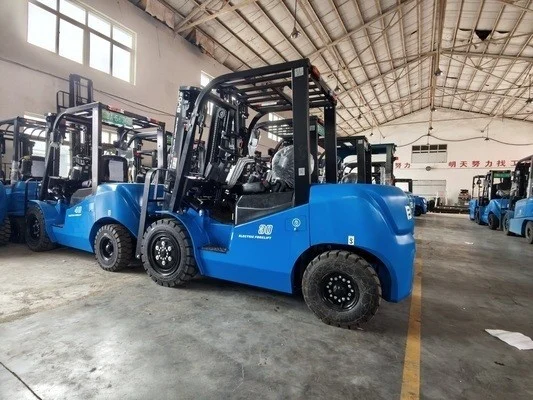
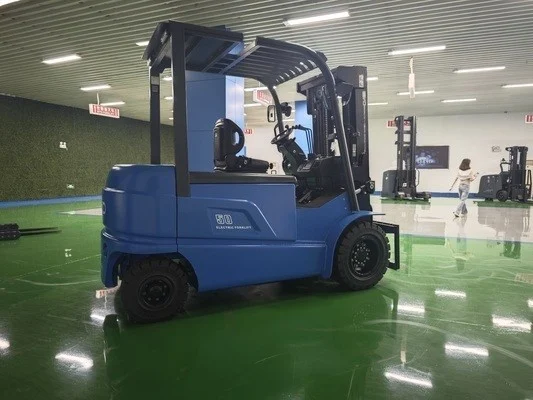
How Load Capacity Specifications Impact BYD counterbalance forklift Operational Stability
News 15/10/2026
Port and freight terminal operations handle high volumes of variable cargo, operate on often uneven ground, and run multi-shift schedules that put intense pressure on material handling equipment. BYD counterbalance forklifts serve a range of roles this environment, from container devanning to bulk cargo transfer and yard storage. Operational stability directly impacts site safety and work efficiency, and load capacity specifications form the foundation of consistent stable performance.
Key Operating Conditions That Influence Forklift Stability
Port and freight terminal yards bring unique challenges that amplify stability risks compared to indoor warehouse use:
- Cargo dimensions and weights vary widely, often shifting the load center far from standard test positions
- Yard ground can slope or develop uneven patches over time, changing vehicle balance
- Frequent operation on hard packed or soft ground changes tire contact and vehicle stance
- Multi-shift continuous operation increases wear on suspension and chassis components that affect balance
BYD counterbalance forklifts work best in this environment when handling general cargo transfer, open yard storage, and container loading/unloading at docks. They do not fit narrow aisle high-bay storage operations, which require equipment designed specifically for tight spacing. Buyers must align equipment selection to their actual yard layout and cargo mix before finalizing orders.
Core Load Capacity Specifications That Shape Stability
Not all load capacity specifications carry equal weight when assessing stability in port operations. Below are the most critical specs, along with context specific to port operations and procurement guidance:
Rated Load Capacity And Load Center Alignment
Counterbalance forklifts rely on rear mounted weight to offset load weight at the front forks. The manufacturer sets rated load capacity based on a standard load center distance from the fork face. When cargo shifts this center forward, the front-end weight increases beyond the design offset, pulling the vehicle forward or causing side-to-side tipping.
Procurement check: Request a full load capacity chart adjusted to match common load center offsets your operation encounters. Do not rely solely on the base nominal rated capacity printed on the nameplate.
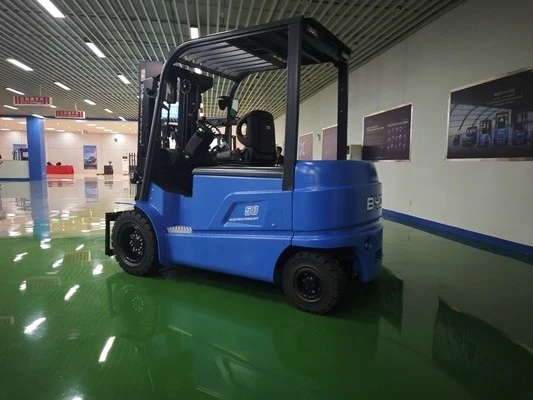
Configuration tradeoffs: If your operation regularly handles oversize cargo with extended load centers, you can upgrade to a heavier rear counterweight. This upgrade increases overall vehicle weight, which may raise ground pressure and requires confirmation your yard surface supports the higher weight.
Lift Height Load Derating
As lift height increases, the overall vehicle center of gravity moves upward. This reduces the amount of weight the front forks can safely carry without losing stability. Port operations often require stacking cargo two or three levels high, making this spec critical to safe operation.
Procurement check: Ask the vendor to provide a complete derating curve that shows maximum allowable load across every possible lift height your operation will use.
Configuration tradeoffs: Standard configurations include derating information for common lift heights. If you need maximum load at very high lift heights, you will need to select a model with a higher base rated capacity to offset the derating.
Attachment Adjusted Load Capacity
Many port operations add specialized attachments like side shifters, rotators, or clamps to handle different cargo types. Each attachment adds weight to the front of the forklift, which reduces the remaining effective load capacity available for cargo.
Procurement check: Share your exact selected attachment with the vendor, and ask them to provide a calculated adjusted load capacity that accounts for the attachment’s weight and center of gravity.
Configuration tradeoffs: Heavy attachments require a larger base rated capacity to maintain sufficient cargo capacity. This adds upfront cost, but prevents overloading and stability risks during daily operation.
| Parameter | Port Operation Risk | Required Vendor Documentation | Configuration Type |
|---|---|---|---|
| Rated load at standard load center | Tipping when handling oversize cargo | Capacity chart adjusted to match common load center offsets | Standard base spec |
| Lift height load derating | Capsizing when stacking high cargo | Full derating curve across all your required lift heights | Included with all models |
| Attachment adjusted load capacity | Overloading from unaccounted attachment weight | Remaining capacity calculation matching your selected attachment | Custom configuration |
| Tire load rating | Tire failure leading to uneven vehicle stance | Maximum load rating matching gross vehicle weight | Standard port configuration |
Procurement Verification Steps Tailored To Port Operations
Follow these steps to confirm your selected BYD counterbalance forklift meets your stability needs before final delivery:
- Document all your operating parameters: common cargo weight ranges, maximum load dimensions, maximum required lift height, all attachments you plan to use, and maximum yard slope you encounter.
- Share this full documentation with your BYD authorized dealer, do not rely on generic catalog specs that do not reflect your actual conditions.
- Get written confirmation of adjusted load capacity that matches your documented operating parameters. Do not accept verbal assurances.
- Ask the vendor to confirm the vehicle’s gross weight matches your yard surface load bearing capacity, especially if your yard has soft packed ground.
- Confirm any required upgrades (heavier counterweight, reinforced chassis) are included in your final quote and will be installed before delivery.
Even with correctly matched specs, operator training remains critical. Operators must understand how load position and ground conditions affect stability, and follow safe operating practices to avoid incidents.
Frequently Asked Questions
Can a standard rated BYD counterbalance forklift handle all port cargo?
No. Standard rated capacity is calculated under controlled test conditions with a fixed standard load center and low lift height. Most port cargo deviates from these conditions, so you must adjust capacity based on your actual cargo and operation specs before selection.
Does higher rated load capacity always improve stability?
No. A higher rated capacity requires a heavier rear counterweight, which increases overall vehicle weight. This creates higher ground pressure, which can cause leaning or sinking on soft yard surfaces, ultimately hurting stability. You should match capacity to your actual maximum cargo weight, avoid unnecessary over-sizing.
How does yard slope affect load capacity requirements?
Sloped ground shifts the vehicle’s center of gravity even when the load itself matches standard specs. You must share your maximum yard slope with your vendor, and ask them to adjust the maximum allowable load capacity accordingly. Never exceed this adjusted limit when operating on sloped ground.
Do electric BYD counterbalance forklifts have different stability requirements than diesel models?
The core relationship between load capacity specs and stability remains identical. Battery placement changes the overall vehicle center of gravity, so you should confirm the manufacturer has updated load capacity calculations to account for the battery’s location and weight, specific to electric models.
Proper alignment between load capacity specifications and your actual port operating conditions creates consistent safe stable operation, reducing incident risk and improving long term equipment reliability.