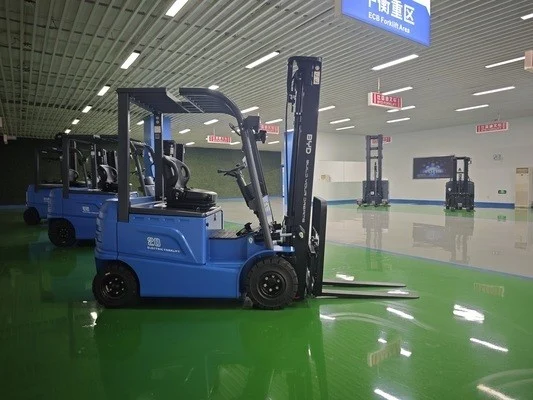
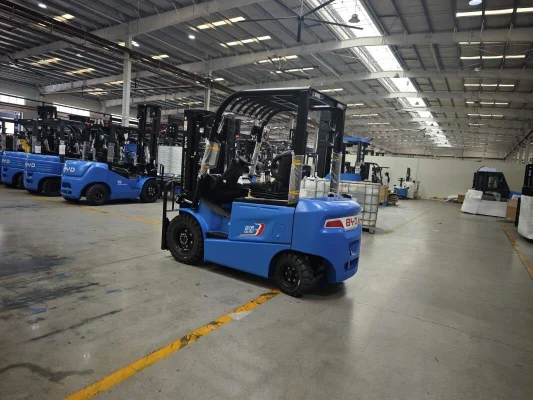
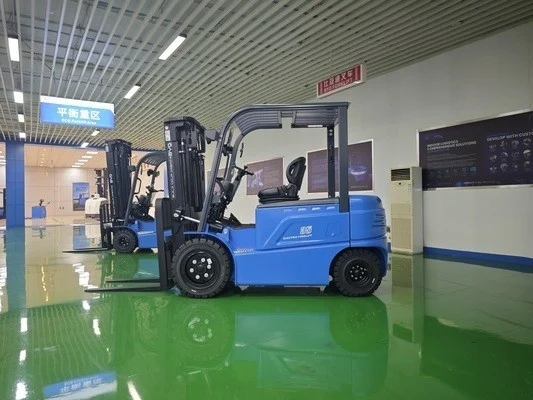
How BYD forklift Lithium-Ion Powertrains Resolve Common Industrial Material Handling Pain Points
News 04/10/2026
Common Pain Points Linked To Traditional Forklift Powertrains
Most industrial material handling operations rely on forklifts to move goods across warehouses, manufacturing floors, and distribution yards. Traditional powertrain options, including lead-acid batteries and internal combustion engines, come with recurring issues that disrupt daily output and increase long-term costs.
Common issues include daily downtime from battery swapping and long charging cycles, high routine maintenance demands, risk of acid leaks or exhaust emissions, and wasted space dedicated to extra battery storage and dedicated charging rooms. These issues add up to thousands of dollars in lost productivity annually for many multi-shift operations.
How BYD Forklift Lithium-Ion Powertrains Address Core Pain Points
Eliminate Unplanned Downtime From Charging And Battery Swapping
Many multi-shift operations lose multiple hours daily swapping drained lead-acid batteries between work shifts. BYD lithium-ion powertrains support full opportunity charging during short break periods, such as 15-minute lunch breaks or shift change windows. Teams can top up power without removing the battery from the forklift unit. This removes need for extra battery inventory and dedicated swap stations, cutting daily downtime significantly.
Reduce Maintenance Demands And Operational Safety Risks
Lead-acid batteries require regular manual maintenance, including weekly water top-ups and monthly equalization charging to preserve capacity. They also carry inherent risk of acid leaks that can damage warehouse floors and cause injury to staff. BYD lithium-ion powertrains use sealed cell construction that requires no routine manual maintenance beyond periodic health checks. No acid means no leak risk, and no corrosion damage to facility infrastructure.
Improve Energy Efficiency And Indoor Air Quality
Internal combustion forklifts burn fossil fuels and produce exhaust emissions, which require extra ventilation systems in enclosed spaces. BYD lithium-ion powertrains produce zero on-site emissions, making them a strong fit within closed manufacturing floors and warehouses. They also deliver higher energy efficiency than lead-acid or internal combustion powertrains, reducing overall energy costs per operating hour.
Extend Usable Service Life
Lead-acid batteries typically lose significant capacity after 1,000 to 1,500 charge cycles, requiring replacement every 3 to 5 years in high-use operations. BYD lithium-ion cells retain 80% or more original capacity after thousands of additional charge cycles, extending the period between battery replacements and lowering long-term total cost of ownership.
Applicable Use Cases
BYD forklift lithium-ion powertrains deliver maximum value within specific operational contexts. These include:
- Multi-shift e-commerce fulfillment centers: Continuous operation across 2 or 3 daily shifts benefits from opportunity charging and zero downtime from battery swapping.
- Cold storage facilities: Lithium-ion cells maintain more consistent power output in low temperature environments than lead-acid batteries, reducing performance dips during shifts.
- Indoor manufacturing lines: Closed production environments need zero emissions, so BYD forklifts eliminate costly ventilation upgrades required by internal combustion units.
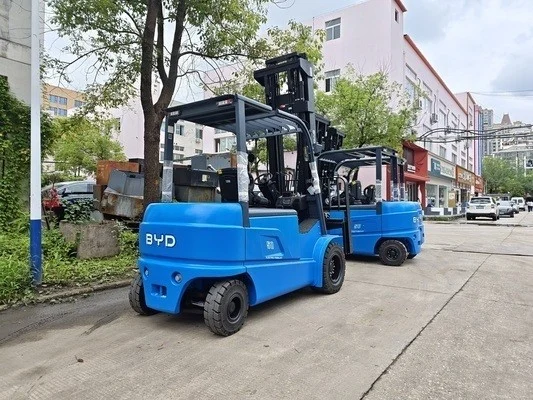
- Outdoor storage yards: Weather-sealed BYD models handle exposure to dust and light rain, consistent with daily outdoor material handling needs.
Key Selection Considerations And Limitations
BYD forklift lithium-ion powertrains are not the optimal fit for every operation. Important considerations include:
- Higher upfront purchase cost: Entry-level BYD lithium forklifts cost more than comparable lead-acid models. Small operations with less than 4 hours of daily use may not achieve enough productivity gains to offset this initial investment within a reasonable timeframe.
- Infrastructure requirements: BYD charging units require specific electrical circuit capacities. Older facilities need professional assessments to confirm compatibility before installation, and may require minor electrical upgrades.
- Extreme temperature sensitivity: Consistent operation in temperatures above 60°C can accelerate cell degradation. Outdoor operations in consistently hot climates need additional thermal management checks to preserve lifespan.
Frequently Asked Questions
Are BYD forklift lithium-ion powertrains compatible with existing facility charging infrastructure?
Compatibility depends on your current electrical setup. Most modern 3-phase industrial circuits can support BYD charging units, but licensed electricians must complete a full capacity assessment before installation. Older facilities may require small upgrades to handle consistent charging loads.
Can BYD forklifts operate in outdoor environments?
BYD offers lithium-ion forklift models with weather-sealed components that work in outdoor storage yards and loading areas within documented temperature ranges. Consistent exposure to extreme heat or prolonged heavy rain requires annual cell health checks to maintain performance over time.
Do BYD lithium-ion powertrains generate harmful on-site emissions?
No. BYD lithium-ion powertrains produce zero exhaust emissions during operation, making them a strong fit within enclosed indoor spaces without additional ventilation upgrades.
What kind of coverage comes with new BYD forklift lithium-ion powertrains?
Coverage terms vary by region and authorized dealer. Most new BYD forklifts include multi-year coverage for the lithium-ion powertrain, with terms tied to total operating hours and cell capacity retention. Buyers should confirm all coverage details with local BYD representatives before completing purchase.
Final Recommendations
BYD forklift lithium-ion powertrains resolve many of the most persistent pain points linked to traditional lead-acid and internal combustion forklift setups. They deliver the greatest value to high-use, multi-shift operations across indoor, cold storage, and distribution center environments.
Small operations with low daily usage should calculate total cost of ownership across the full equipment lifespan to confirm the investment aligns with operational goals. Always work with authorized BYD dealers to confirm model specifications match your facility unique needs before purchase.