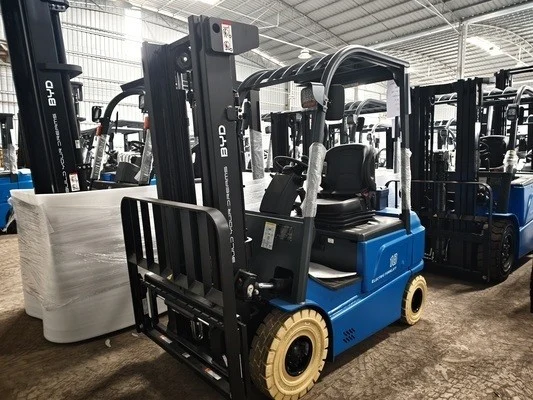
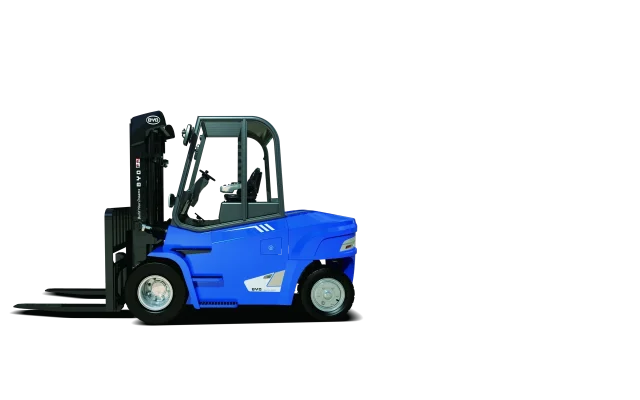
1.5 ton electric forklift: Service Access and Diagnostic Checks on Four-Wheel Counterbalance Models Before Purchase
News 22/10/2026
When purchasing a 1.5 ton four-wheel counterbalance electric forklift, pre-purchase checks of service access and core system diagnostics help you avoid unexpected long term costs and operational downtime. This guide breaks down key inspection areas aligned with standard procurement processes, focused on BYD lithium battery powered models.
Key Service Access Points You Need Inspect First
Service access directly impacts maintenance time and labor costs across the lifespan of your forklift. You should verify three core access points during your pre-purchase evaluation:
- Battery compartment: Lithium battery powered models require clear access during ventilation checks and routine maintenance. Confirm compartment doors open and close smoothly, and locking mechanisms hold securely without special tools to operate.
- Mast and hydraulic components: Routine adjustments and inspections work best when key components are reachable from ground or standard service platforms. No disassembly of major structural parts should be required during routine checks.
- Diagnostic port: The main vehicle diagnostic port should sit in an easy-to-reach location, such as under the operator dashboard or near the seat, so technicians can connect tools quickly when needed.
Lithium Battery Compartment Specific Checks
Lithium battery packs power these 1.5 ton models, so your pre-purchase check must confirm compartment ventilation works properly. You also want to confirm you can remove and replace the pack without special custom tools, if your operation uses battery swapping setups.
Core System Diagnostic Checks Pre-Delivery
Diagnostic checks catch hidden issues from transit or assembly that may not appear during short unloaded test drives. You should complete these checks before you accept delivery:
- Motor and controller system: Connect the official manufacturer diagnostic tool to pull any existing error codes, even if the unit operates smoothly during initial test drives. Check motor temperature readings after a 15-minute loaded test run to confirm no abnormal overheating occurs.
- Hydraulic system: Check for visible leaks at all connections, test mast lift and lower speed under full load, and confirm no erratic movement occurs when you adjust mast position. Listen for unusual noises from the hydraulic pump during operation, which can indicate misalignment or worn internal components.
- Brake and steering systems: Run multiple stop tests under different load conditions, confirm brake response remains consistent, and check brake pad wear sensor readings if the unit includes this feature. Verify steering play falls within manufacturer specifications, and confirm no unusual vibration occurs during turning maneuvers.
Common Procurement Pitfalls You Need Avoid
Many procurement teams skip these pre-purchase checks because they assume new units leave the factory without issues. However, transit damage or minor assembly errors can create hidden problems that surface only after you put the unit into daily operation.
One widespread pitfall centers attention entirely on load capacity and purchase price, ignoring service access that impacts long term operating costs. A lower upfront price can lead to much higher labor costs over the forklift lifespan if every maintenance visit requires extra time to access hard-to-reach components. Another common mistake skips loaded diagnostic testing, running only unloaded test drives that fail to reveal motor or hydraulic issues under real operating conditions.
If you evaluate a used 1.5 ton unit, you also need verify lithium battery health state, because degraded capacity can cut operational run time significantly.
How These Checks Support Your Procurement Decision
After you complete these initial checks, you can share your operational site details, including daily work shift length, average load weight, maximum lift height, and site ground conditions with our team. We help match your specific needs to the right configuration of BYD 1.5 ton four-wheel counterbalance electric forklift.
These pre-purchase checks ensure your new unit meets your performance expectations, and reduces unexpected downtime after delivery. You can request a personalized walkthrough of service access and diagnostic points when you schedule a demo of our available models.
Frequently Asked Questions
Do I need complete these checks even when purchasing a brand new forklift?
Yes. Transit from manufacturing facility to your site can cause loose connections, minor component damage, or configuration errors that remain hidden until the unit enters regular use. Pre-purchase checks catch these issues before you sign off on delivery.
What tools do I need run these diagnostic checks?
Most official manufacturer models, including BYD four-wheel counterbalance electric forklifts, use manufacturer-specific diagnostic tools. Our team completes these checks on your behalf during pre-delivery preparation, so you do not need purchase or maintain specialized tools yourself.
How long does a full pre-purchase diagnostic check take?
A full check of all key systems on a 1.5 ton model typically takes one to two hours, depending on unit configuration. This small time investment helps you avoid much longer downtime periods after delivery.