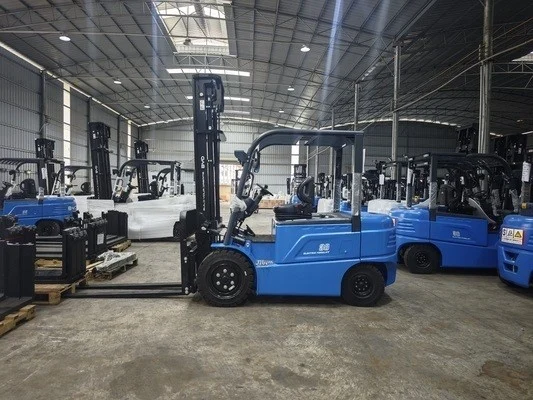
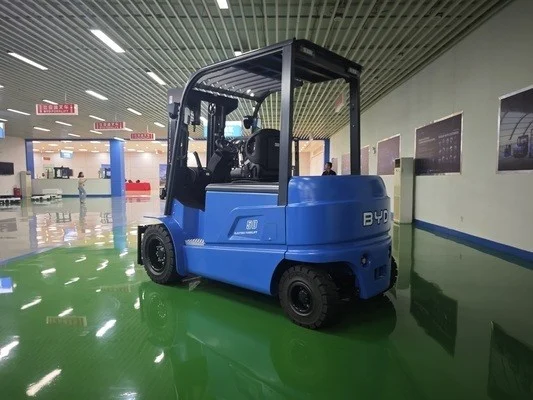
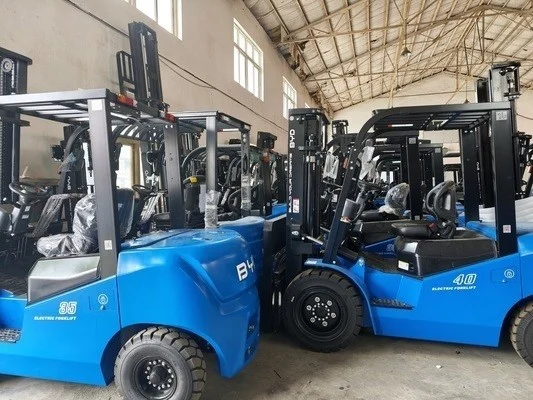
1.5 ton electric forklift Hydraulic System Design Impacts Load Handling Precision and Long-Term Reliability
News 19/10/2026
A 1.5 ton electric forklift supports common material handling tasks across warehouses, manufacturing floors, and retail distribution centers. Its hydraulic system acts as the core power delivery mechanism lifting and lowering loads, so design choices directly impact two critical outcomes: load placement precision and how long the system maintains consistent performance. This breakdown explores core connections between design choices and real-world operational results.
Core Hydraulic Design Elements That Impact Performance
Several interconnected components work together within a 1.5 ton electric forklift hydraulic system, each contributing to overall outcomes. Key elements include:
- Pump displacement sizing: Matched to the machine’s maximum load capacity to deliver consistent flow during lifting cycles
- Valve response tuning: Controls how quickly hydraulic fluid redirects when operators adjust lift or tilt functions
- Seal and gasket material selection: Prevents fluid leaks under repeated pressure cycles
- Reservoir volume and cooling design: Manages fluid temperature during extended operation shifts
Every element aligns with the 1.5 ton capacity class. Over-sizing or under-sizing any component creates cascading effects that undermine precision or shorten service life. Even small mismatches create noticeable changes in how the machine handles loads over time.
How Design Choices Shape Load Handling Precision
Load handling precision matters when operators place pallets onto tight racking, align loads onto truck beds, or work in congested storage areas. Poor design leads to inconsistent lift speed, unexpected drift after positioning, or jerky tilt movements that force operators to re-adjust loads multiple times, cutting productivity and increasing risk of load damage.
Valve Tuning and Flow Control
Hydraulic valves regulate fluid flow to lift and tilt cylinders. Tighter tolerances in valve manufacturing and more precise tuning deliver smoother operator control. Less precise manufacturing allows small fluid pressure variations that create subtle load movement after initial positioning. Electric forklifts rely on precise power management, so hydraulic tuning works alongside electric motor control to maintain steady movements.
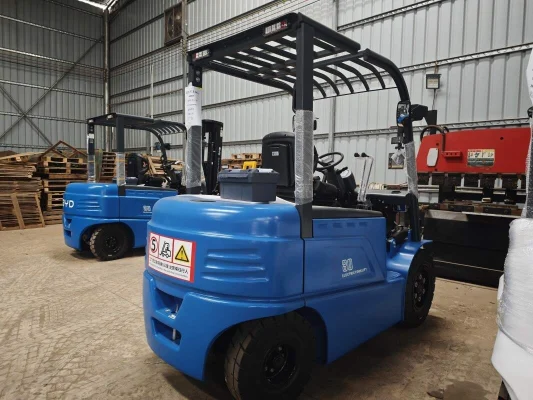
Pump Sizing Matching Capacity
A 1.5 ton electric forklift requires pump output matched to its maximum load. Over-sized pumps deliver too much flow at low motor speeds, leading to overly fast, hard to control lift movements. Under-sized pumps cannot build pressure quickly enough when lifting full loads, leading to slow, inconsistent lift that disrupts precision.
Long-Term Reliability Links to Hydraulic Design
Hydraulic system failures rank among the most common causes of unplanned 1.5 ton electric forklift downtime. Design choices directly influence how well the system withstands thousands of repeated lift cycles over years of use.
Heat buildup is one of the largest threats to hydraulic system longevity. Poor cooling design or an undersized reservoir causes fluid temperatures to rise during extended operation. Higher temperatures break down hydraulic fluid faster, and degrade seal materials leading to leaks. Even small leaks reduce system pressure over time, which undermines both precision and lifting capacity.
Seal material choice also plays a key role. Low quality seals wear quickly under constant pressure changes, leading to early leaks. High quality, compatible seal materials maintain their shape and sealing ability even with frequent pressure cycles, extending time between service intervals.
Key Design Tradeoffs When Evaluating New Equipment
When evaluating 1.5 ton electric forklift options, buyers encounter common design tradeoffs that impact precision and reliability. Understanding these tradeoffs helps prioritize needs based on operational demands.
Some manufacturers prioritize lower initial cost by using simpler valve designs and standard seal materials. This reduces upfront purchase price, but may lead to lower precision and more frequent service needs over the equipment lifespan. Other manufacturers invest in tighter tolerance components and higher grade materials, which increases upfront cost but delivers better long-term reliability and more consistent precision.
Operation context also drives priority decisions. Facilities with high density storage and frequent tight load placement benefit more from precision-focused hydraulic design, while operations with low frequency, low density load handling may prioritize lower upfront costs.
| Design Priority | Upfront Cost Impact | Long-Term Performance Outcome |
|---|---|---|
| High precision, high reliability components | Higher | Consistent load control, fewer unplanned service stops |
| Lower cost, standard components | Lower | Acceptable performance with low intensity operations, more frequent maintenance |
Frequently Asked Questions
Can after-market modifications improve hydraulic precision on an existing 1.5 ton electric forklift?
Minor adjustments like valve tuning or seal replacement can restore original factory precision if components have worn. Major design changes, like swapping pumps or valve assemblies, typically cost more than upgrading to a newer machine with better factory design, and rarely deliver consistent long-term improvements.
Does hydraulic design impact battery life on a 1.5 ton electric forklift?
Yes, inefficient hydraulic design increases the load on the electric motor that drives the hydraulic pump. Poorly matched components force the motor to work harder to maintain pressure and flow, which draws more power from the battery and reduces run time between charges.
How often should hydraulic service occur to maintain original design performance?
Service frequency depends on operation intensity. Most manufacturers recommend annual fluid and filter changes even with low intensity use, and more frequent checks when operations run multiple shifts daily. Always follow manufacturer guidelines listed in your equipment manual.
When evaluating any 1.5 ton electric forklift, always ask manufacturers for details on their hydraulic system design specifications, including component materials and tuning processes. This information helps you match equipment design to your specific operational needs.