How Many Types of Forklift Are There: A Categorization Breakdown Based On Operation Mode And Lift Specifications Supporting Informed Industrial Equipment Selection
News 08/10/2026
People looking to add or replace material handling equipment often ask this question first. The right forklift type depends on your workspace, load weight, lift height requirements and operational environment. This guide sorts common forklift types by core categories: operation mode and lift specifications, to help you make informed choices.
Core Categorization By Operation Mode
Internal Combustion (IC) Forklifts
IC forklifts rely on gasoline, diesel, propane or natural gas power. They deliver higher torque and faster refueling times compared to battery powered units. Most work in outdoor environments, including construction yards, lumber yards and shipping ports. Key advantages include the ability to handle rough terrain when configured with appropriate tires. Common limitations include higher emissions, so they rarely work inside enclosed warehouses without proper ventilation.
Electric Powered Forklifts
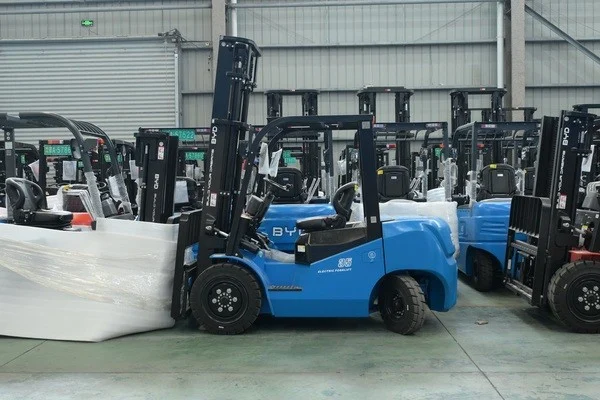
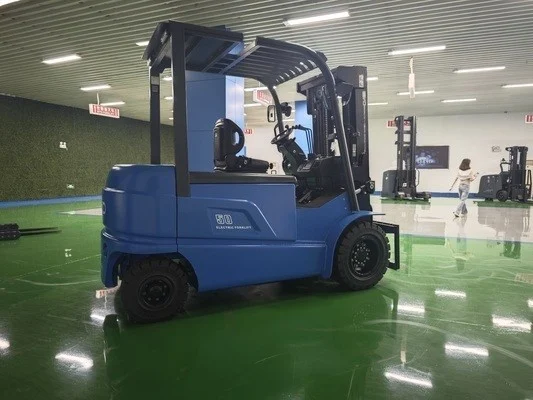
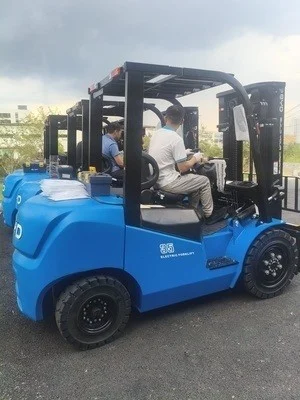
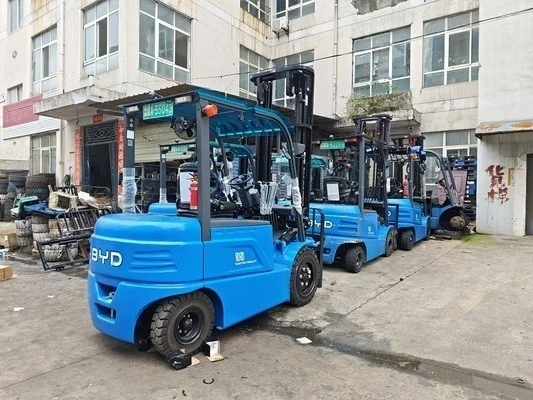
Electric forklifts draw power from rechargeable lead-acid or lithium-ion batteries. They produce zero emissions on site, making them ideal options in indoor warehouses, distribution centers and food processing facilities. They operate more quietly than IC models, reducing workplace noise pollution. Common limitations include longer charge times and higher upfront purchase costs. Newer lithium-ion models cut charge times significantly, expanding use cases to multi-shift operations.
Manual & Semi-Electric Forklifts
These lightweight units need human operator input when moving or lifting loads. Manual hand pallet jacks fall into this category, used when moving light loads short distances across flat warehouse floors. Semi-electric models add powered lifting, reducing operator strain during loading and unloading tasks. They cost far less than fully powered units, require minimal maintenance and fit into tight workspaces. Limitations include low maximum load capacity, generally under 3,000 pounds, and they cannot lift loads to high racking levels.
Categorization By Lift Specifications & Use Case
Low Lift Forklifts
The maximum lift height of low lift forklifts sits under 10 feet. Most common examples include hand pallet jacks, electric pallet jacks and stackers built to handle ground level loading and unloading. They move loads to and from delivery trucks, transport pallets across warehouse floors and stack loads in low level storage. Most standard models offer maximum load capacity between 2,000 pounds and 5,000 pounds.
Medium Lift Counterbalance Forklifts
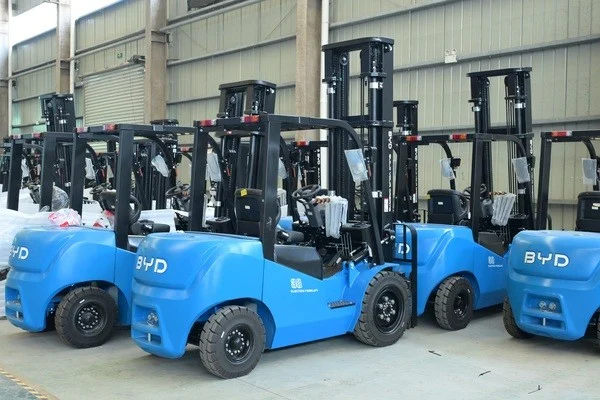
Counterbalance forklifts get their name from the rear counterweight that offsets load weight at the front. They offer maximum lift heights between 10 feet and 20 feet, fitting most standard warehouse racking setups. Both IC and electric versions exist, matching indoor or outdoor use cases. They work well with general material handling tasks, and can navigate open warehouse spaces easily. Key limitation: they require extra turning room, so they cannot operate within very narrow aisle layouts.
High Lift Narrow Aisle Forklifts
High lift models reach heights over 20 feet, some reaching up to 50 feet in high density racking systems. Narrow aisle designs include reach trucks and order pickers, built to fit within aisles as narrow as 8 feet, maximizing storage space inside warehouses. Order pickers lift the operator along with the forks, letting workers retrieve individual items from high rack levels. Reach trucks extend the fork carriage forward to reach deep racking, then retract to enable tight turning within aisles. Limitations include lower top travel speeds compared to counterbalance models, and most only work indoors on smooth concrete floors.
Rough Terrain Forklifts
These heavy duty units feature large, rugged tires and high ground clearance, designed to handle unimproved outdoor surfaces found on construction sites, agricultural operations and lumber yards. Most use IC power to handle heavy loads and support long run times. Maximum lift capacities often exceed 10,000 pounds, and some models include telescopic booms that lift loads higher and reach further forward than standard counterbalance models. Limitations include large size, high fuel consumption and emissions that prevent indoor use.
Practical Selection Guidance
Start your selection process by mapping your primary work environment. Indoor enclosed spaces need electric powered units to avoid emissions risks. Outdoor unimproved sites need rough terrain IC models.
Next, define your maximum required load capacity and lift height. Choose a model with 10-15% extra capacity beyond your largest typical load, this adds safety margin. High density storage with tall racking needs narrow aisle high lift models, while open bulk storage works with standard counterbalance units.
Account for your operational workflow. Multi-shift operations need multiple battery packs or lithium-ion power when using electric models, or IC power to enable continuous run times. Short, light load tasks work perfectly with manual or semi-electric units to cut equipment costs.
Frequently Asked Questions
What is the most common forklift type used in warehouses?
Most standard warehouses use electric counterbalance forklifts or electric reach trucks. Electric models meet indoor emission requirements, counterbalance models handle general tasks, and reach trucks support high density narrow aisle storage.
Can any forklift work both indoors and outdoors?
Some IC forklifts with solid cushion tires handle cross-site tasks in both indoor and outdoor spaces. Electric forklifts with sealed battery enclosures can operate in covered outdoor areas, but most electric units avoid prolonged exposure to wet or uneven outdoor terrain.
What size forklift do I need?
Your required size depends on two core specs: maximum load weight and maximum lift height. Always account for load weight at your maximum lift height, as lift capacity drops as lift height increases across most forklift models. Check manufacturer specifications to confirm capacity at your intended working height.
Are manual forklifts still used today?
Yes, manual pallet jacks (a common type of manual forklift) remain widely used in small operations, loading delivery trucks and short distance transport of light loads. They cost little, require no power source and fit tight spaces that larger powered units cannot access.
Understanding core forklift categories helps you avoid purchasing or renting equipment that does not match your operational needs. By sorting options first by power operation mode, then by lift specifications and use case, you can narrow your list quickly and focus on models that fit your workspace, load requirements and budget.