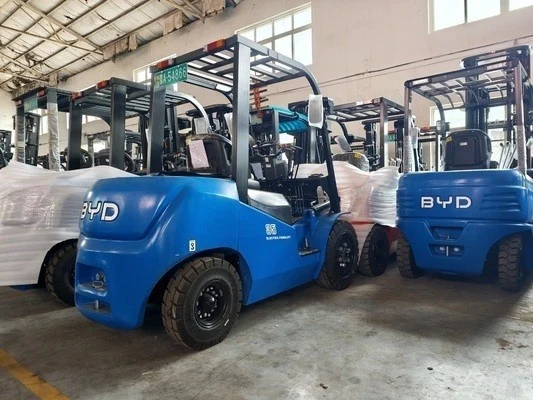
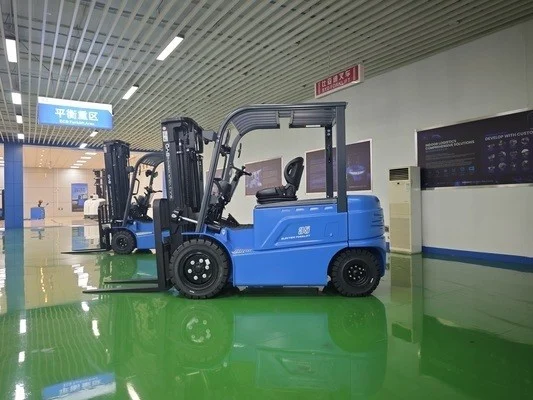
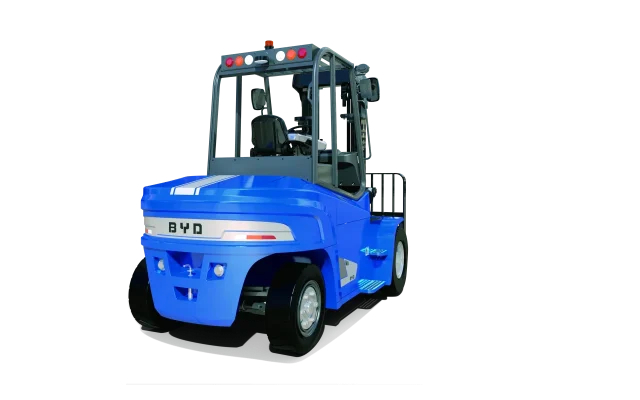
1.5 ton electric forklift: Questions to Settle on Lift Height and Free Lift Before Confirming a Four-Wheel Counterbalance Order
News 03/11/2026
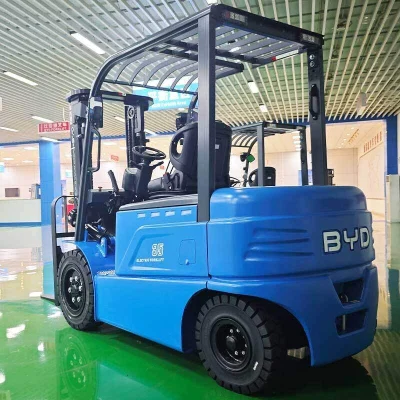
A 1.5 ton electric forklift order can look settled on paper until lift height and free lift enter the conversation. These two numbers decide whether the truck clears rack beams, door frames and trailer roofs, and whether it can stack at the height your layout actually uses. Because we supply four-wheel counterbalance electric forklifts, this article focuses on that configuration and on the questions a buyer should settle before confirming an order. It does not supply catalogue values: rated capacity, lift height and free lift must come from the manufacturer’s technical data sheet and the final configuration drawing.
Why Lift Height and Free Lift Change the Order
Rated capacity and lift height are linked, not independent. A 1.5 ton rating normally applies at a stated load centre, and the capacity available at the fork carriage usually falls as lift height and load centre increase. Free lift is the distance the carriage and forks can rise before the mast channels extend. It matters wherever the truck must lift inside a confined vertical space: a container door, a low mezzanine edge, a rack beam level, or a trailer roof.
Two buyers can order the same nominal model and receive very different trucks once mast type, free lift and attachment are fixed. That is why the practical questions below are worth settling before a purchase order, not after delivery.
Questions to Settle Before You Confirm the Order
1. What lift height does the highest pick and the highest placement require?
Measure the top of the highest rack beam or stack you must reach, then add the clearance needed to enter and withdraw a pallet safely. Do not order to the rack height alone. The manufacturer should confirm the truck’s rated lift height and the residual capacity at that height with the specified mast.
2. Does the truck need free lift, and how much?
If the truck must lift a pallet inside a trailer, container or low-clearance area, free lift becomes a gating requirement. Ask whether the proposed mast provides full free lift, limited free lift, or none, and confirm what that means at your door height. Where the available free lift is less than the clearance you need, the truck cannot perform that task as configured, regardless of its rated lift height.
3. What load centre applies to your pallets?
Load centre is the horizontal distance from the fork face to the load’s centre of gravity. A 1.5 ton rating at one load centre does not automatically carry over to a longer or deeper load. Confirm the load centre your pallets produce and ask the supplier to state the capacity at that value.
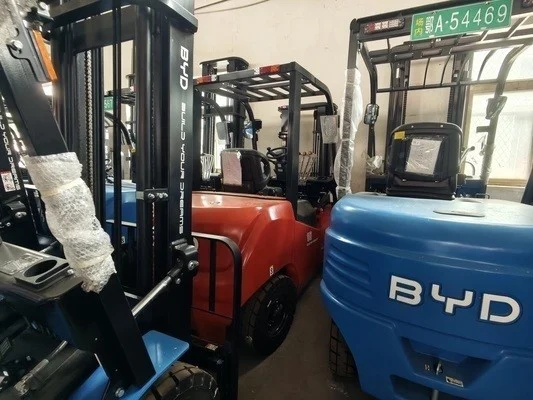
4. Will an attachment change the rating?
Clamps, rotators, side shifters and other attachments add weight and move the load forward. They generally reduce the capacity available at the forks. Ask the supplier to confirm the derated capacity with the exact attachment you intend to use, and check whether the attachment is standard, optional or a factory-confirmed special.
5. What does the aisle and door survey show?
Mast height when lowered affects door and doorway clearance. Overhead guard height and overall dimensions affect aisle and rack entry. Record actual clear widths, door heights and any ramps or slopes along the route, then compare them with the proposed truck’s dimension drawing.
6. What are the floor, tyre and duty conditions?
Floor condition, tyre type, travel distance, shift length and charging windows all influence the configuration. These are not only comfort factors; they affect how the truck is equipped and how the battery and charging arrangement should be planned. Provide the supplier with the real duty cycle rather than an average.
Matching the Specification to Your Operation
The following table organises the points that most often cause a late change. It is a checklist, not a specification. Values must come from your site survey and the manufacturer’s data.
| Item to settle | Why it matters | What to confirm with the supplier | Typical status |
|---|---|---|---|
| Rated capacity at load centre | Prevents overloading with deeper pallets | Capacity at your measured load centre | Data sheet item |
| Lift height | Reach the highest pick and placement | Rated lift height with the specified mast | Data sheet item |
| Free lift | Clear trailer, container or low-clearance entry | Free lift value and its meaning at your door height | Mast-dependent |
| Attachment and derating | Attachments reduce available capacity | Derated capacity with the exact attachment | Factory-confirmed |
| Lowered mast height | Door and doorway clearance | Dimension drawing with mast lowered | Data sheet item |
| Aisle and rack entry | Safe entry and withdrawal | Overall dimensions and turning data | Site survey |
| Battery and charging plan | Shift coverage and charging windows | Battery type and charging arrangement available | Configuration choice |
| Floor, tyre and route | Stability and wear on the route | Tyre options suited to your floor | Optional or standard |
Treat every row as something to verify, not something to assume. Where your site data and the supplier’s data disagree, resolve the difference before signing.
Purchase Preparation: Data, Questions and Checks
Before confirming a four-wheel counterbalance order, assemble the following:
- A dimensioned sketch of the storage area, including rack beam heights, aisle widths, door heights and any slopes.
- Pallet dimensions, loaded weights and the load centre your loads produce.
- The highest pick height and the highest placement height, stated separately.
- Any confined lifting point, such as a trailer or container, with its entry height.
- Shift pattern, travel distances and available charging windows.
- The attachment you intend to use, if any.
Then put these questions to the supplier:
- What is the rated capacity at my load centre and at my required lift height?
- What free lift does the proposed mast provide, and is it enough at my confined lifting point?
- What is the lowered mast height and overall dimension drawing?
- How does the intended attachment change the rating?
- Which items are standard, which are optional, and which require factory confirmation?
Finally, check the quotation against your survey line by line. A quotation that lists a lift height without stating the load centre, mast type and free lift is incomplete. Ask the supplier to state those conditions explicitly, and keep the confirmed configuration drawing with the order. If any requirement cannot be met by a four-wheel counterbalance truck in your aisle or lifting conditions, say so plainly and revisit the layout or the task rather than forcing the truck into a duty it cannot perform.
If you share your actual loads, lift heights and site dimensions, we can help you check which configuration of our four-wheel counterbalance electric forklifts fits your operation.
Frequently Asked Questions
Is free lift always necessary on a 1.5 ton electric forklift?
No. Free lift matters when the truck must raise a load inside a confined vertical space, such as a trailer, container or low-clearance area. If all lifting happens in open racking with adequate overhead clearance, free lift may not be a gating requirement. Confirm the need against your actual site.
Can I add an attachment later without changing the capacity rating?
Attachments add weight and shift the load forward, so the capacity available at the forks generally changes. Confirm the derated capacity with the exact attachment before ordering, and ask whether the attachment is a standard option or requires factory confirmation.
What should I measure before requesting a quotation?
Measure the highest pick and placement heights, the entry height of any confined lifting point, door heights, aisle widths, rack beam heights and any slopes. Record pallet dimensions, loaded weights and the load centre your loads produce. These figures let the supplier state capacity and lift conditions honestly.
Why does the same model have different lift figures?
Mast type and configuration change lift height and free lift. Two trucks with the same nominal capacity can differ once the mast, attachment and load centre are fixed. Always compare the confirmed configuration, not the model name alone.
What if my aisle is too narrow for a four-wheel counterbalance truck?
That is a real limitation worth resolving early. If the site survey shows the aisle or lifting conditions do not suit a four-wheel counterbalance truck, discuss the layout or the task with the supplier rather than assuming a different configuration will solve it.