Tire Selection Impacts On Electric Forklift Maneuverability And Finished Warehouse Floor Damage Prevention
News 13/10/2026
Warehouse operations rely on electric forklift to move goods efficiently. The wrong tire choice undermines two critical performance areas: how well operators handle the forklift in tight spaces, and how much damage tires leave on expensive finished concrete floors. This guide breaks down key connections between tire selection, maneuverability, and floor protection to help teams make informed choices.
Core Tire Types Impacting Electric Forklift Performance
Cushion Tires
Cushion tires use solid rubber compounds, mounted on smaller wheel rims. Their compact design creates a lower center of gravity in the electric forklift, which improves tight turning radius and overall maneuverability in narrow aisles. The hard, smooth rubber surface contacts the floor evenly, but high load pressures can crack or chip finished concrete if the forklift carries heavy loads over frequently used routes.
Solid Pneumatic Tires
Solid pneumatic tires feature thicker, treaded construction built to handle uneven outdoor surfaces and rough warehouse docks. Their larger footprint spreads forklift weight across a wider floor area, reducing point pressure on finished concrete. The larger wheel size raises the forklift’s center of gravity, which reduces maneuverability in tight indoor aisles. Traction from the tread also prevents slippage on wet or dusty surfaces.
Polyurethane Tires
Polyurethane tires come in different durometer ratings, matching different load and floor needs. Their non-marking compounds leave no scuffs on polished finished floors, making them popular among operations focused on floor appearance. Higher durometer options offer longer wear life, while softer versions absorb small bumps to improve operator ride quality. Polyurethane tires provide a balance between compact size (which preserves maneuverability) and even weight distribution (which lowers floor damage risk).
Key Selection Criteria Balancing Maneuverability And Floor Protection
Aisle Width
Narrow aisles under 11 feet require compact tires that support tight turning. Cushion or polyurethane tires work best here, as their smaller diameter preserves maneuverability. Wider aisles over 14 feet allow use of larger solid pneumatic tires, which deliver better floor protection without limiting handling.
Average Load Weight
Heavier daily loads increase point pressure on finished floors. Operations regularly carrying 10,000 pound loads or more need wider tires to spread weight evenly, reducing cracking and indentations. Lighter loads under 4,000 pounds allow use of smaller compact tires without excessive floor damage risk.
Floor Surface Type
Newly polished or epoxy finished floors need non-abrasive, non-marking tires to prevent permanent scuffs and scratches. Hardened concrete floors that see frequent heavy use can tolerate higher pressure tires, but regular tire rotation still reduces uneven wear and consistent point damage.
Operation Location Mix
Electric forklift that move between indoor storage areas and outdoor loading docks need tires that handle both surfaces. Solid pneumatic tires handle rough outdoor pavement, but their larger size reduces indoor maneuverability. Teams with mixed operations should prioritize tire size matching their most frequent work location: prioritize maneuverability if most work happens indoors, prioritize floor and surface durability if most work crosses between indoor and outdoor spaces.
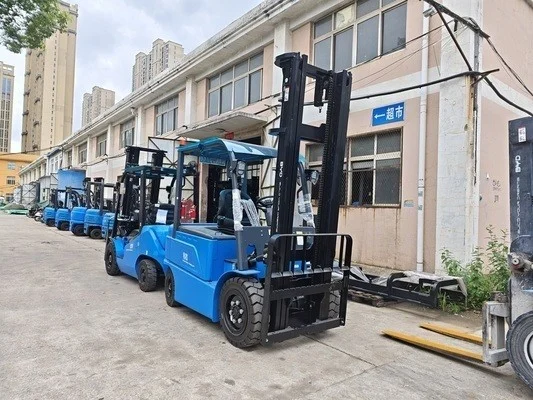
No single tire type meets all needs. Teams must prioritize their top performance goal: choose compact tires if maneuverability in narrow aisles matters most, choose wider, softer compound tires if protecting high-value finished floors is the top priority.
Frequently Asked Questions
Can any electric forklift tire work on finished warehouse floors?
No. Hard, small cushion tires used with heavy daily loads will eventually cause cracking and chipping in finished concrete. Tires with aggressive tread can also leave permanent marks on epoxy or polished floors. Always match tire compound and size to your floor type and average load.
How does tire wear affect floor damage and maneuverability?
Solid tires (the most common type used on electric forklift) do not use air pressure, but uneven wear creates uneven load distribution. Worn tires develop flat spots that increase point pressure on floors, raising damage risk, and also throw off forklift balance, reducing maneuverability. Regular tire inspections catch wear early to preserve both performance and floor integrity.
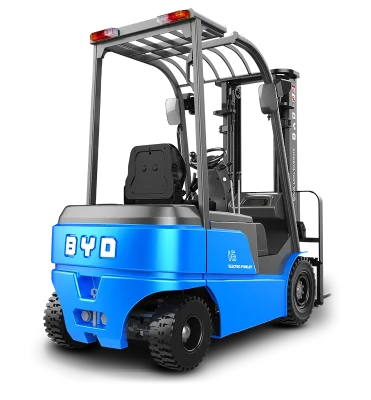
Which tire type delivers the best balance between the two priorities?
Polyurethane tires deliver the most common balanced option across most indoor warehouse operations. They come in multiple sizes and durometers, so teams can adjust the balance to match their aisle width and floor protection needs. They also offer non-marking options that work well with high-finish floors.
Do non-marking tires automatically prevent all floor damage?
No. Non-marking tires prevent scuff marks and discoloration, but small, high-pressure non-marking tires still cause structural damage like cracking or indentations when carrying heavy loads regularly. Size and weight distribution matter more than marking resistance when preventing structural floor damage.
Choosing the right tires directly impacts daily electric forklift productivity and long-term warehouse maintenance costs. By matching tire type, size, and compound to your specific aisle layout, load range, and floor type, you can maintain high maneuverability without risking unnecessary damage to your finished warehouse floors. Regular inspections and replacement of worn tires preserve these benefits throughout the tire’s service life.