Matching 2.5 Ton Electric Forklift Power Requirements Your Existing Site Charging Infrastructure
News 06/10/2026
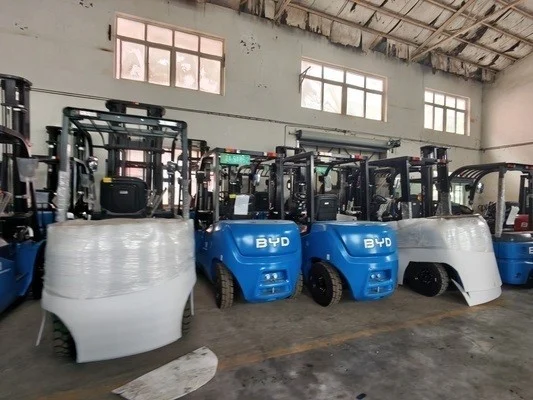
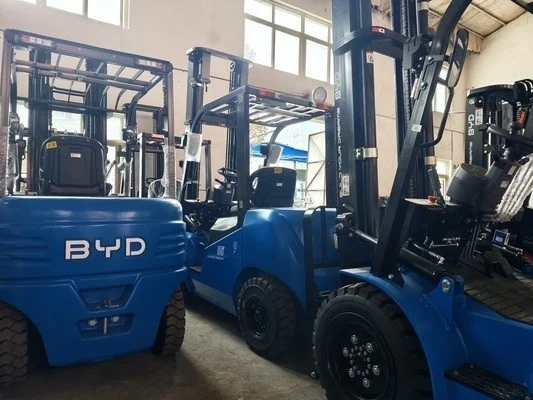
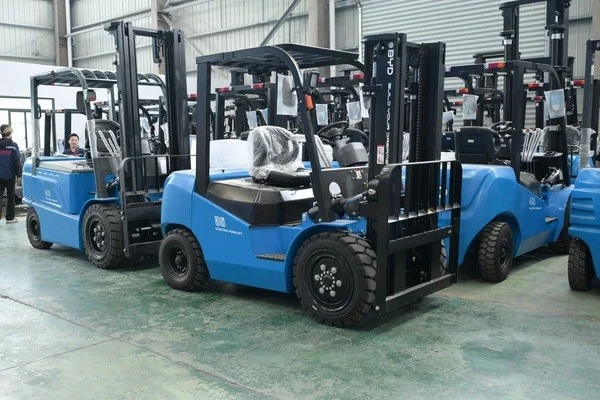
Many businesses adding or replacing a 2.5 ton electric forklift focus on lift capacity, maneuverability and upfront cost, but overlook alignment between the forklift’s power needs and existing on-site charging infrastructure. Mismatched power can cause downtime, damaged electrical systems or increased operating costs. This guide breaks down key assessment steps, comparison of common infrastructure setups, limitations and actionable next steps.
Core Power Requirements 2.5 Ton Electric Forklifts
Battery Type and Capacity Ranges
Most 2.5 ton electric forklifts use one of two common battery chemistries: lead-acid or lithium-ion. Lead-acid units typically draw 48V systems with 400 to 800 Ah capacity. Lithium-ion 2.5 ton models often use 48V or 80V systems, with 200 to 500 Ah usable capacity. Power draw during a full charge ranges from 20 kWh to 40 kWh per full cycle, depending on battery size and chemistry.
Charging Rate Power Draw
Standard opportunity charging on 2.5 ton electric forklifts draws 3 kW to 6 kW per unit. Fast charging can jump to 10 kW to 20 kW per unit. This draw directly impacts how many simultaneous charges your existing panel can support without overloading.
Assess Your Existing Charging Infrastructure Capacity
Check Main Panel Available Amperage
The first step any facility operator completes confirms spare amperage on your site’s main electrical panel. A 48V 500Ah lead-acid charger requires roughly 50 to 70 amps of dedicated circuit capacity at 240V. A 20 kW fast lithium-ion charger needs up to 90 amps at 240V. Add up the amperage draw of all existing equipment connected to the panel, then compare to the panel’s total rated capacity. Most commercial sites carry 20% to 30% spare capacity accommodating new additions; anything lower requires panel upgrades.
Compare Dedicated vs Shared Circuits
Shared circuits with other high-draw equipment (like HVAC units, production machinery or other material handling chargers) create risk of tripping breakers during peak operation. Dedicated circuits assigned to each forklift charger eliminate this risk, but require existing wiring runs that meet local electrical codes. If your site has extra dedicated 240V circuits, confirm their wire gauge matches the charger’s amperage requirements: 10-gauge wire supports up to 30 amps, 8-gauge supports up to 50 amps, and 6-gauge supports up to 65 amps.
Common Infrastructure Setups: Capabilities and Limitations
Single Shift Small Facility Setup
Small warehouses with one 2.5 ton electric forklift on a single shift often use a single standard charger plugged into an existing spare 240V circuit. This setup works well in operations that charge overnight during off-peak hours. Limitations: It cannot support opportunity charging during breaks, and no extra capacity exists to accommodate a second forklift added later.
Multi-Shift Mid-Size Warehouse Setup
Mid-size facilities running 2 to 3 2.5 ton electric forklifts across two shifts often use multiple chargers with opportunity charging during breaks. This setup requires at least 150 to 250 amps of spare capacity on the main panel, and dedicated circuits assigned to each charger. Limitations: Fast charging across multiple units demands more amperage than many older facilities can supply without panel upgrades.
High-Volume Fast Charging Setup
High-volume distribution centers running 2.5 ton electric forklifts 24/7 rely on fast charging or battery swap systems. Fast charging setups require 200+ amps of spare capacity, often with a dedicated sub-panel assigned to charging operations. Battery swap systems reduce on-site charging power draw by swapping depleted batteries into fully charged units, shifting total charging load into off-peak hours. Limitations: Both options require significant upfront investment in infrastructure upgrades if your existing site lacks spare capacity.
Frequently Asked Questions
Can I plug a 2.5 ton electric forklift charger into a standard 120V outlet?
Most 2.5 ton electric forklift chargers require 240V input, because 120V outlets cannot supply enough amperage to charge a full-size forklift battery. Slow trickle charging from a 120V outlet can take multiple days to complete a full charge, making it impractical in daily operations.
How much extra capacity do I need supporting future forklift additions?
Most electrical contractors recommend adding 30% to 50% extra spare capacity during your initial assessment, to accommodate future fleet expansion without additional panel upgrades. This small upfront planning avoids costly retrofits down the line.
Do lithium-ion 2.5 ton forklifts need different charging infrastructure than lead-acid models?
Many lithium-ion chargers have similar amperage requirements to standard lead-acid chargers used with 2.5 ton units, but fast-charge lithium-ion models draw significantly higher power. Always confirm the charger’s specific amperage and voltage requirements before connecting to your existing infrastructure.
What happens if I connect a forklift to an underrated circuit?
Underrated circuits will trip circuit breakers frequently during charging, and can cause overheated wiring that creates fire safety hazards. Always have a licensed electrician inspect your infrastructure before installing your new forklift charger.
Actionable Next Steps
Start your assessment by gathering exact power requirements from your 2.5 ton electric forklift charger manufacturer documentation. Next, contact a licensed electrician to audit your existing main panel and circuit capacity, to confirm available spare capacity. If your site has enough capacity, you can install your new charger with minimal upgrades. If you lack enough capacity, weigh the cost of infrastructure upgrades against options like battery swapping, slower overnight charging, or fleet scheduling that reduces simultaneous charging demand. Proper alignment between your forklift’s power needs and existing infrastructure avoids costly downtime and safety hazards long term.