Understanding 2.5 Ton Electric Forklift Braking Performance Variations Across Common Industrial Floor Surfaces
News 13/10/2026
Core Factors That Shape Braking Response
2.5 ton electric forklifts rely on either friction brakes or regenerative braking systems, both of which interact directly with floor surface texture and condition to produce stopping force. Stopping distance changes based on coefficient of friction between tire tread and floor. Most 2.5 ton electric units operate within indoor facilities, so surface variation is a constant safety concern.
Role of Surface Coefficient of Friction
Higher friction values create shorter stopping distances, while lower friction extends distance enough to create collision risks. Clean, dry textured surfaces deliver highest friction, while smooth or contaminated surfaces drop friction dramatically. This relationship holds true across all electric forklift models, regardless of brake system design.
Braking Performance Across Common Industrial Floor Types
Polished Concrete
Polished concrete appears in many modern warehouses and distribution centers. Its smooth, sealed finish reduces friction compared to untreated concrete. When dry, most 2.5 ton electric forklifts achieve adequate stopping response, but stopping distances increase 15 to 30 percent versus untreated concrete, depending on tire type. Contamination from oil, water or dust drops friction further, creating significant stopping delays.
Untreated Concrete
This is the most common industrial floor surface. Its slightly porous, textured finish maintains consistent friction when well maintained. Braking response matches manufacturer base specifications across most 2.5 ton electric forklift models, so operators can rely on expected stopping distances during normal operation. Cracks or pitting do not drastically impact overall braking, though loose debris can create temporary traction loss.
Epoxy Coated Floors
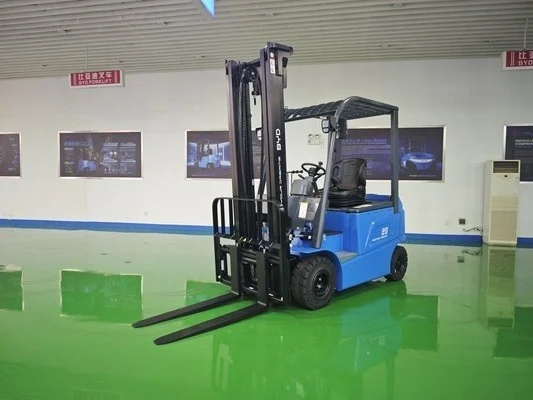
Epoxy coatings add chemical resistance and easy cleaning to industrial spaces, but they create a much smoother surface than untreated concrete. When clean and dry, braking performance remains acceptable during low speed operation, but high speed stops require more distance than on untreated concrete. Epoxy becomes extremely slippery when wet or contaminated with grease, so operators must adjust travel speeds to compensate.
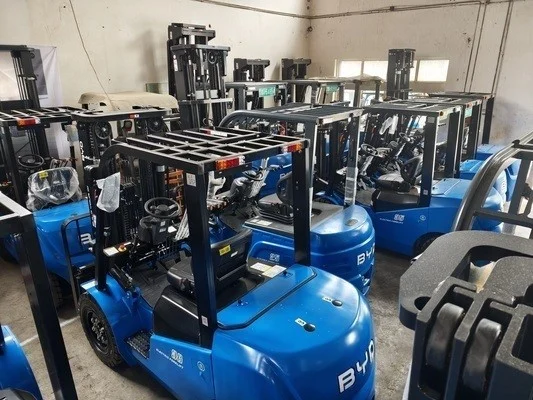
Asphalt (Outdoor Yards)
Many facilities use 2.5 ton electric forklifts in outdoor storage yards with asphalt surfaces. New, textured asphalt delivers friction levels similar to untreated concrete, so braking performance stays consistent. Aged, smooth asphalt or asphalt with oil staining reduces traction, leading to longer stopping distances. Wet weather also amplifies traction loss on asphalt, just as it does on sealed indoor surfaces.
Practical Safety And Operation Guidance
Facility managers and operators can adjust practices to address braking variations across surfaces. Small changes to operation and maintenance drastically reduce collision risks associated with variable traction.
Adjust Operation Speeds
On low friction surfaces, reduce travel speed by 20 to 40 percent to maintain safe stopping ability. Avoid sudden hard stops when operating on smooth or contaminated surfaces. Plan stopping paths earlier in low traction areas to accommodate extended stopping distance.
Maintain Surface Conditions
Clean up spills and debris immediately to restore friction levels. Resurface uneven or overly smooth floors periodically to maintain safe traction. Mark areas with consistently low friction to alert operators to slow down.
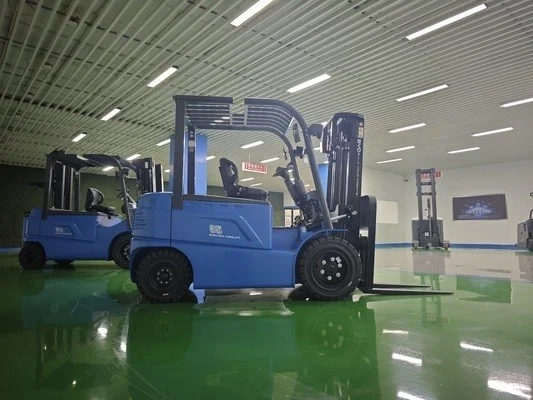
Match Tire Selection To Surface
Choose textured pneumatic or cushion tires engineered to deliver traction on your facility’s primary floor type. Soft compound tires deliver better friction on smooth sealed surfaces than hard compound alternatives. Inspect tire tread regularly and replace worn tires before traction drops to unsafe levels.
Key Limitations To Consider
Even with proper adjustment and maintenance, braking performance on low friction surfaces has clear limits. Regenerative braking, common across many 2.5 ton electric forklift models, relies on motor resistance to slow the unit, so it is less impacted by surface traction than friction brakes, but it cannot bring the unit to a full stop without friction braking engagement.
That means even with regenerative systems, low surface friction still extends final stopping distance. Operator reaction time also adds to overall stopping distance. Braking performance variations mean operators need additional training to recognize how surface changes impact required stopping distance, especially in high traffic areas.
Always test stopping response in low traction areas when you start a shift, to confirm safe operation before moving heavy loads across problematic surfaces.
Frequently Asked Questions
Does regenerative braking eliminate braking performance differences across surfaces?
No. Regenerative braking handles most deceleration during normal operation, but all 2.5 ton electric forklifts require friction braking to reach a full stop. Friction braking relies on traction between tires and floor, so surface variations still impact final stopping distance.
Which common surface creates the highest braking risk when operating 2.5 ton electric forklifts?
Wet or contaminated epoxy or polished concrete present the highest risk. These smooth sealed surfaces lose most of their traction when liquid or grease covers the surface, leading to dramatic increases in stopping distance that can catch operators off guard.
Can new tires improve braking on sealed concrete floors?
Upgrading to traction-focused tires can improve friction and reduce stopping distance on smooth sealed floors. Consult your forklift dealer to confirm tire compatibility with your specific 2.5 ton electric forklift model before making changes.