What Custom Modifications and Optional Attachments Change Electric Forklift Price
News 15/10/2026
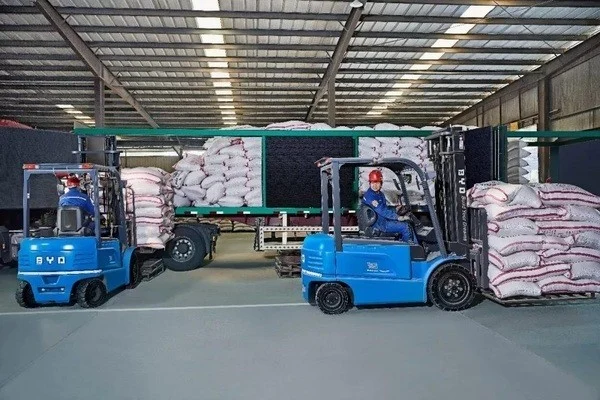
Third-party logistics (3PL) warehouses handle diverse storage and cargo requirements, so standard electric forklifts rarely match all operational needs. Custom modifications and optional attachments directly alter base electric forklift price, with changes tied to specific 3PL workflow demands. This guide breaks down key configurations that shift cost, tailored to 3PL warehouse operations.
Core 3PL Warehouse Operational Needs Driving Customization
3PL operations prioritize storage density, flexible cargo handling, and high throughput across multiple daily shifts. These needs create requirements that standard off-the-shelf electric forklifts cannot meet, leading to requests for custom changes. Common drivers include:
- Narrow aisle layouts to maximize storage capacity within limited warehouse space
- Mixed cargo types from multiple clients, requiring flexible load handling
- Multi-shift operations with limited downtime for battery swaps
- Specialized storage configurations like high-bay racking or temp-controlled zones
Each driver triggers different modifications, each adding unique cost to the final electric forklift price.
Common Custom Modifications That Shift Electric Forklift Price
Chassis and Steering System Adjustments
Configuration: Shortened chassis, modified steering geometry to reduce turning radius.
Why 3PL operations care: Most 3PL warehouses use narrow aisles to boost storage density, and standard forklifts cannot navigate these spaces without damaging racking or cargo.
Procurement verification: Ask suppliers to confirm the modified forklift’s minimum required aisle width matches your facility’s actual measured dimensions. Schedule a test maneuver with your standard full pallet load before acceptance.
Tradeoffs and limits: Shortening the chassis reduces maximum load capacity, especially at higher lift heights. You must confirm residual load ratings for your typical operating conditions, do not rely on base model ratings.
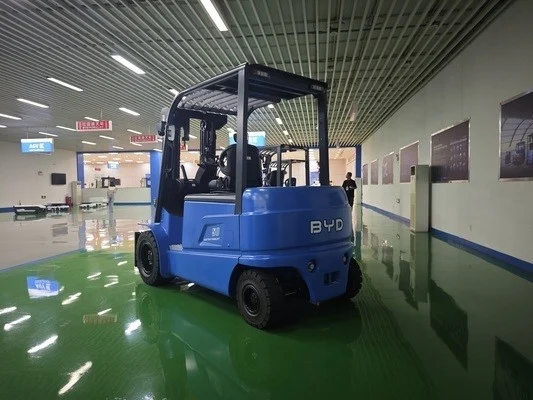
This modification adds measurable cost to base electric forklift price, with exact premiums dependent on required engineering and structural changes.
Battery and Charging System Adjustments
Configuration: Higher capacity battery packs, opportunity charging compatibility, insulation or heating elements for temp-controlled storage zones.
Why 3PL operations care: Multi-shift 3PL workflows have little to no downtime for battery swaps, so consistent run time across full shifts is critical.
Procurement verification: Confirm battery capacity matches your expected shift length under your average load conditions. Verify charging system compatibility with your facility’s existing electrical infrastructure.
Tradeoffs and limits: Larger battery packs add overall vehicle weight, which can accelerate floor wear in older warehouses. Larger batteries also extend full charging time, even with opportunity charging capabilities.
Cost changes here depend on battery size and added functional features.
Visibility and Safety Modifications
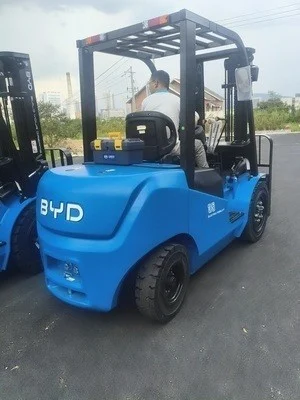
Configuration: Additional overhead guards, custom camera placement, enclosed operator cabins.
Why 3PL operations care: 3PL sites that combine indoor storage and outdoor yard operations need additional operator protection from weather and improved visibility in low-light areas.
Procurement verification: Check that added components do not block operator visibility of fork tips during loading and racking. Confirm camera performance matches low-light or outdoor light conditions at your site.
Tradeoffs and limits: Enclosed cabins add overall vehicle weight and can reduce maneuverability in very tight aisles.
Optional Attachments That Alter Electric Forklift Price
Optional attachments let 3PL operations handle diverse cargo types from different clients. Each attachment adds cost, with larger premiums for more specialized designs. Below is a comparison of common attachments for 3PL operations:
| Attachment Type | 3PL Use Case | Key Operational Risk | Items To Confirm With Supplier |
|---|---|---|---|
| Side shifters | Align pallets quickly in narrow racking, boost loading throughput | Reduces residual load capacity at maximum lift height | Residual load rating, hydraulic system compatibility with base model |
| Fork positioners | Adjust fork spacing quickly for non-standard pallet sizes from multiple clients | Added fork weight reduces overall load capacity | Maximum adjusted spacing range, weight impact on base capacity |
| Carton clamps | Handle non-palletized bulk consumer goods common in 3PL | Incorrect pressure settings damage fragile cargo | Pressure adjustment range, compatibility with your maximum cargo width |
| Roll clamps | Move cylindrical cargo like paper or textiles | Slippage damages cargo if clamp pressure is mismatched | Clamp diameter range, grip material compatibility with your cargo type |
Simple attachments like side shifters add lower cost premiums, while specialized custom clamps require more extensive hydraulic and structural modifications that drive larger price increases. 3PL buyers should only add attachments needed for core recurring cargo types; unnecessary attachments inflate total cost without adding meaningful operational value.
Pre-Purchase Verification Checklist For 3PL Buyers
- Measure your facility’s actual aisle width, maximum lift height, and floor weight capacity before discussing modifications with suppliers
- List all core recurring cargo types and their dimensions to confirm required attachment ranges; skip attachments that only serve rare one-off client requests
- Confirm residual load capacity after all modifications and attachments are installed; do not rely on base model load ratings
- Verify compatibility of modified charging systems with your facility’s existing electrical supply
- Request on-site test operation with your actual standard load to confirm maneuverability and performance
This checklist helps 3PL buyers avoid unexpected cost overruns and performance issues after delivery. Many buyers discover mismatched configurations post-delivery, which require additional costly changes not included in original price quotes.
Frequently Asked Questions
Do all electric forklift suppliers offer custom modifications?
No, not all base models support extensive custom changes. Some manufacturers only offer pre-approved optional attachments, and do not allow structural chassis or steering modifications. Confirm a supplier’s customization capability early in procurement discussions.
Can I add modifications or attachments to my electric forklift later?
Some simple attachments can be added after delivery, but structural modifications like chassis shortening or battery upgrades require factory installation during initial production. Retrofitting structural changes often costs more than adding them during original production, and can void existing vehicle warranties.
How do I prioritize modifications to keep total electric forklift price within budget?
Prioritize modifications that address your core daily operational needs first. For example, if you operate in narrow aisles, turning radius modification is non-negotiable, while an enclosed cabin can wait if you only work outdoors occasionally. Avoid adding non-critical attachments that only serve rare client requests, as these add unnecessary cost.
Third-party logistics operations have unique needs that require customized electric forklift configurations, and each change impacts total price. By focusing only on modifications that match your core operational requirements, and verifying all specifications before placing your order, you can get a configuration that meets your needs without unnecessary cost.