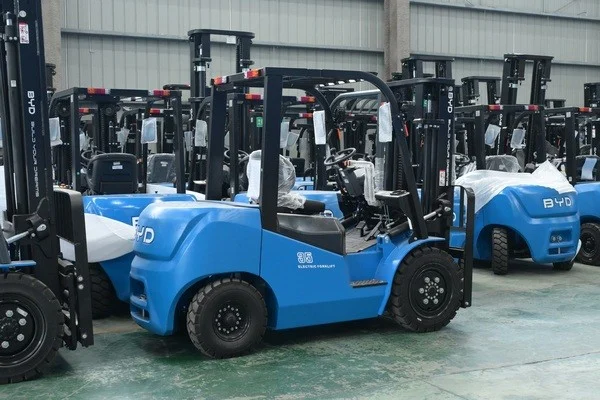
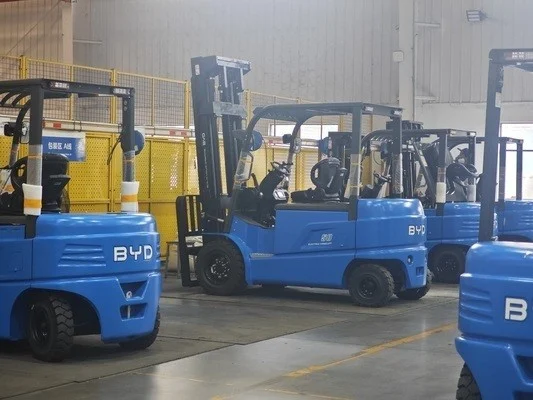
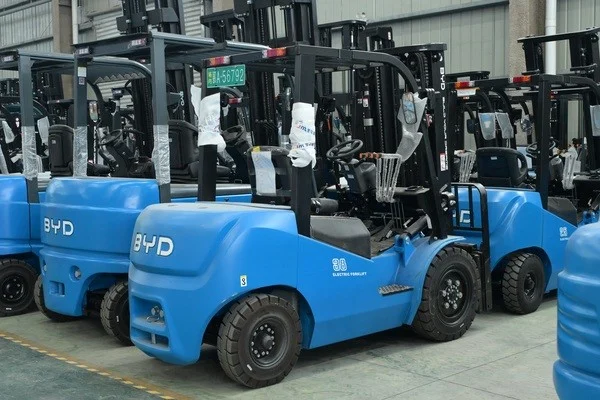
2 ton electric forklift: Mast Design Features Directly Impact Operator Visibility and Operational Safety
News 12/10/2026
A 2 ton electric forklift remains one of the most popular material handling units in warehouses, manufacturing yards, and retail distribution centers. Its compact size and zero-emission operation fit well with indoor and mixed-environment work. Many fleet managers focus on battery capacity, load capacity, and turning radius when selecting units, but mast design often gets overlooked. Mast design directly connects to how well operators see their load, their surroundings, and potential hazards, so it directly impacts overall site safety and operational efficiency.
Core Mast Types Common on 2 ton electric forklifts
Masts deliver vertical movement to lift loads, and their basic structure dictates inherent visibility characteristics. Three primary mast designs see widespread use across modern 2 ton electric forklift models. Each design serves specific operational needs, and each brings unique visibility tradeoffs.
The most basic design is the standard full-free lift mast, built to navigate low-clearance spaces like stacked shipping containers or warehouse racking with low door headers. Triplex masts, or three-stage masts, support higher lifting heights while maintaining a collapsed profile that fits tight entry points. Two-stage duplex masts offer simpler construction and often better visibility at lower lifting ranges common to ground-level loading and unloading.
Key Design Features That Shape Visibility
Inner Channel Profile and Spacing
Wider spacing between mast inner channels creates a larger blind spot directly in front of the operator. Narrower channels cut blind spot size, but can reduce overall mast rigidity at maximum lifting capacity. Many modern 2 ton electric forklift manufacturers use tapered channel profiles to balance rigidity and visibility. Tapered channels narrow toward the top of the mast, so operators get clearer sight lines to load tines when lifting to high racking levels.
Hydraulic Hose Placement
Exposed hydraulic hoses running across the front of the mast block operator sight lines. Manufacturers that route hoses through mast inner channels or along the outer edges of the mast assembly reduce unnecessary visual obstructions. This small design change improves visibility when positioning loads onto high racks or navigating tight aisles. Even 1-2 inches of clear additional space can cut operator guesswork when aligning tines with pallets.
Overhead Guard Integration
The overhead guard protects operators from falling loads, but its structural cross members can add additional obstructions to upper visibility. Mast designs that align with gaps in overhead guard cross members maintain clear sight lines when lifting loads to heights above 10 feet. This alignment matters most to 2 ton electric forklift units working in high-bay storage facilities.
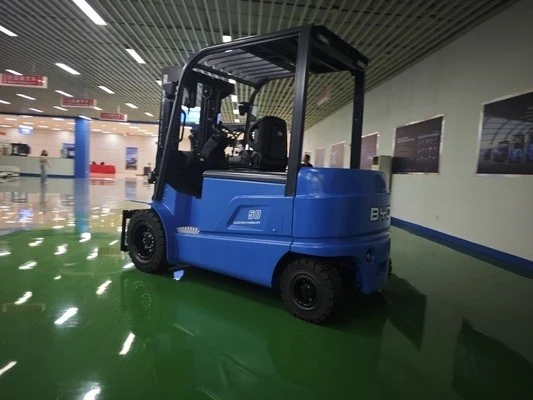
Safety Impacts of Poor Mast Visibility Design
Poor visibility from suboptimal mast design creates multiple avoidable safety risks across worksites. Operators must strain or reposition their bodies to see around mast obstructions, which leads to distracted operation and increased risk of musculoskeletal strain over time. Distracted operation raises risk of collisions with racking, other equipment, or facility personnel.
Unseen pallet defects or misaligned load tines can lead to dropped loads, which threaten worker safety and damage inventory or facility infrastructure. In narrow aisle operations, a 6-inch blind spot can lead to unintended contact with stored product, causing costly product damage and unplanned operational downtime.
Over time, operators develop workarounds to see past obstructions, such as leaning out of the operator compartment or operating the forklift from an angled position. These workarounds increase risk of falls or operator injury during routine operations.
Practical Selection Guidance
When selecting a 2 ton electric forklift, evaluate mast design against your facility’s specific operating conditions to match visibility and safety needs. Start by mapping your maximum lifting height and minimum entry clearance.
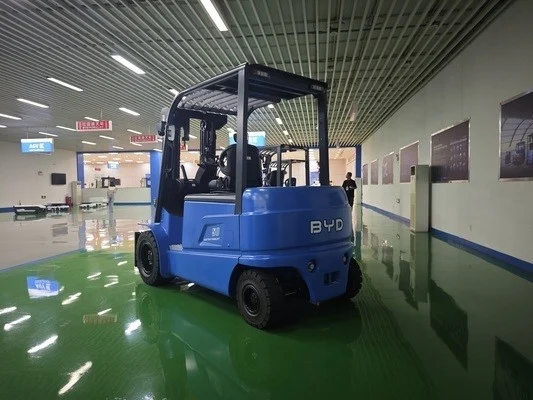
If your operations center on ground-level loading and unloading, or lifting heights below 12 feet, a two-stage duplex mast typically delivers better overall visibility than a three-stage triplex mast. The simpler structure has fewer overlapping components that block sight lines, so operators can work faster with lower risk of error.
For high-bay storage operations that require lifting heights above 15 feet, prioritize models with tapered inner mast channels and routed hydraulic hoses. These design features cut blind spots at height without sacrificing the collapsed clearance you need to navigate facility entry points.
Test units in your actual work environment whenever possible. Have experienced operators test visibility from the operator seat during common tasks like picking pallets from high racks and loading trucks. Ask manufacturers about optional visibility upgrades, such as low-profile mast rails that can improve sight lines without reducing load capacity.
Don’t overlook periodic mast maintenance. Worn mast components or loose hoses can shift over time, creating new obstructions that cut visibility. Regular inspection and adjustment keep mast design performance consistent through the unit’s service life.
Frequently Asked Questions
Can visibility upgrades increase a 2 ton electric forklift’s load capacity?
No. Visibility-focused mast design changes adjust structure and component placement, they do not change the unit’s engineered maximum load rating. Always stick to the manufacturer’s stated load capacity of your selected mast configuration.
Does a triplex mast always create worse visibility than a duplex mast?
Not necessarily. Modern manufacturing techniques produce triplex masts with tapered channels and routed hoses that deliver visibility comparable to many older duplex mast designs. Your specific lifting height requirements will determine which option suits your operation.
What maintenance steps preserve mast visibility over time?
Keep mast components clean to avoid built-up dirt or debris that adds unnecessary obstructions. Inspect hoses and fasteners regularly to make sure components stay in their original designed positions. Replace worn or damaged components immediately to avoid shifting that blocks sight lines.
Are camera systems a replacement for good mast visibility design?
Onboard cameras add an extra layer of visibility assistance, but they do not replace clear direct sight lines from good mast design. Cameras can experience glare, fog, or technical failure, so native visibility from mast design remains your primary safety layer.