Battery Capacity and Charging Window Planning When Specifying a 3.5 ton electric forklift
News 04/11/2026
When you specify a 3.5 ton electric forklift, battery capacity and charging window planning determine whether the truck completes a full shift without unscheduled stops. The core decision is not simply choosing the largest battery available. You need to match usable energy to the actual work cycle, then confirm that the charging window fits the operation’s breaks and available power supply. This article explains how to estimate energy demand, interpret battery ratings, plan charging opportunities, and avoid common specification errors. The discussion assumes a four-wheel counterbalance electric forklift, the type most often used in general warehouse and production transport. Specific battery and charger data should always be confirmed against the manufacturer’s technical documentation.
Start With the Work Cycle, Not the Battery Label
Battery capacity only has meaning when it is tied to a duty cycle. Two 3.5 ton electric forklifts with identical batteries can have very different runtimes if one handles dense pallets at high lift heights and the other moves light loads along short routes. Before comparing ampere-hour ratings, document the work pattern.
Key inputs to collect
- Average and maximum load weight, including attachments if used.
- Lift height and the frequency of full-height lifts.
- Travel distance per trip and the number of trips per hour.
- Floor conditions and any ramps or inclines.
- Shift length, break schedule, and whether the truck operates continuously or intermittently.
- Ambient temperature range in the operating area.
These inputs let you estimate the relative energy demand of a duty cycle. They do not replace a manufacturer’s runtime calculation, but they reveal whether the application is light, moderate, or heavy. A heavy cycle with frequent lifting and long travel will require more usable energy or more frequent charging opportunities.
Reading Battery Capacity Ratings Correctly
Battery capacity is usually expressed in ampere-hours (Ah) at a specified voltage, together with a discharge rate. A rating such as 48 V, 600 Ah describes the nominal energy storage, but the usable capacity is lower because deep discharges shorten battery life. Lithium-ion batteries generally allow a wider usable state-of-charge range than flooded lead-acid batteries, but the exact limits depend on the battery management system and the manufacturer’s recommendations.
Nominal versus usable energy
Nominal energy in kilowatt-hours is calculated from voltage and ampere-hours. However, the energy actually available to the truck is affected by discharge rate, temperature, and the point at which the battery management system limits output. When comparing options, ask the supplier to state the usable capacity and the conditions under which it applies. Do not assume that a higher nominal rating automatically delivers proportionally longer runtime.
Discharge rate and temperature effects
Batteries deliver less energy when discharged quickly or operated at temperature extremes. A truck that performs many rapid lifting cycles may draw high currents that reduce effective capacity. Cold storage or outdoor winter operation can also reduce available energy. If your operation includes these conditions, discuss them with the supplier so that the battery specification accounts for them.
Planning the Charging Window Around Your Shift Pattern
The charging window is the time available to recharge the battery without disrupting work. It includes scheduled breaks, shift changes, and any dedicated charging periods. The goal is to ensure that the battery receives enough charge to complete the next work period, while respecting the battery’s recommended charging profile.
Opportunity charging versus full-cycle charging
Lithium-ion batteries often support opportunity charging during breaks, which can reduce the need for a large battery. However, frequent partial charging must still follow the manufacturer’s guidance on charging current, temperature, and state-of-charge limits. Flooded lead-acid batteries typically require longer, full charge cycles and may not suit operations with short, irregular windows. The choice between these approaches affects both battery size and charger specification.
Matching charger output to the window
Charger power must be sufficient to deliver the required energy within the available time. If the charging window is short, a higher-power charger may be needed, but the battery must be rated to accept that charge rate. Also confirm the facility’s electrical capacity and any connector or ventilation requirements. A charging plan that ignores the building’s power supply can lead to nuisance tripping or extended charge times.
Applying These Principles to a Hypothetical 3.5 Ton Application
Consider a hypothetical warehouse that operates one 8-hour shift with a 30-minute lunch break and two 15-minute breaks. The 3.5 ton electric forklift moves pallets over an average distance of 60 meters, lifts to 4.5 meters, and handles about 25 pallets per hour. The floor is level, and the ambient temperature is controlled. This is a moderate duty cycle.
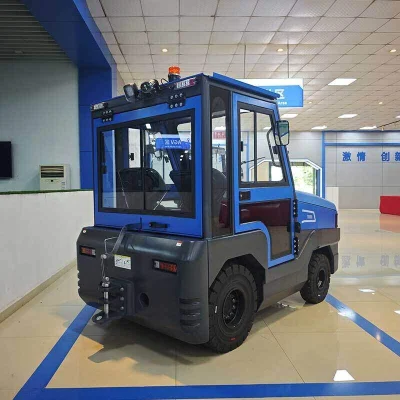
A reasonable starting point is to request a runtime estimate from the supplier based on this cycle. If the estimated runtime covers the full shift with a safety margin, a single battery may suffice, with opportunity charging during breaks to extend range. If the estimate falls short, you might consider a larger battery, a second battery for exchange, or a more powerful charger that can restore energy during the lunch break. The exact battery size and charger rating must come from the manufacturer’s data, not from rules of thumb.
What to verify with the supplier
- Usable capacity and recommended depth of discharge.
- Expected runtime under your specific duty cycle.
- Charging time from a given state of charge to full, at the proposed charger power.
- Whether opportunity charging is permitted and under what conditions.
- Battery dimensions and weight, to confirm compatibility with the truck.
- Temperature limits and any derating needed.
This example is illustrative only. Real applications vary, and the supplier should confirm all values against the actual truck configuration.
Common Planning Mistakes and Their Consequences
Several errors appear frequently when specifying battery capacity and charging windows. Recognizing them early can prevent costly rework.
- Sizing the battery from truck capacity alone. A 3.5 ton rating describes load capacity, not energy needs. Duty cycle is the primary driver.
- Ignoring the facility’s electrical capacity. A high-power charger may require infrastructure upgrades that affect project cost and timeline.
- Assuming all lithium-ion batteries accept the same charging profile. Charging limits are set by the battery management system and cell chemistry; follow the manufacturer’s instructions.
- Overlooking temperature. Cold storage or hot environments can reduce usable capacity and charge acceptance.
- Planning charging windows without buffer. Delays, extra tasks, or battery aging can erode the margin. Include a realistic reserve.
Each of these mistakes can lead to unplanned downtime or premature battery wear. A structured review of the duty cycle and charging schedule reduces the risk.
Frequently Asked Questions
How do I estimate the battery capacity needed a 3.5 ton electric forklift?
Estimation starts with the duty cycle: load weight, lift height, travel distance, and shift pattern. Provide these details to the supplier, who can calculate runtime using the truck’s energy consumption data. There is no universal capacity that fits all applications.
Can opportunity charging replace a larger battery?
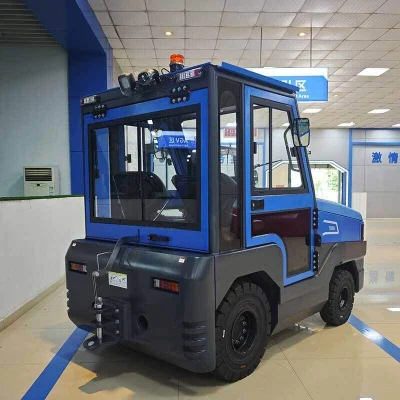
Opportunity charging can extend runtime and may allow a smaller battery, but it depends on the battery’s charging limits and the available break durations. Confirm with the manufacturer whether frequent partial charging is acceptable and how it affects battery life.
What charging window should I plan if I operate multiple shifts?
Multi-shift operations often need either a larger battery, a battery exchange system, or charging during shift changes. The right choice depends on the number of shifts, break lengths, and the facility’s electrical capacity. Map the actual available windows before selecting a configuration.
Does battery capacity affect the truck’s lifting performance?
Battery voltage and discharge capability can influence performance, but the truck’s hydraulic and drive systems are designed around a specified voltage range. A larger capacity battery does not necessarily increase lifting speed or load capacity; it primarily extends runtime. Always use the battery specified by the manufacturer.
When planning a 3.5 ton electric forklift specification, treat battery capacity and charging windows as linked decisions. Start with a documented duty cycle, obtain runtime and charging data from the supplier, and verify that the proposed charging schedule fits your operation and electrical infrastructure. If you are considering a four-wheel counterbalance electric forklift, share your load, lift height, shift pattern, and charging constraints with our team so we can help you review suitable configurations based on available technical data.