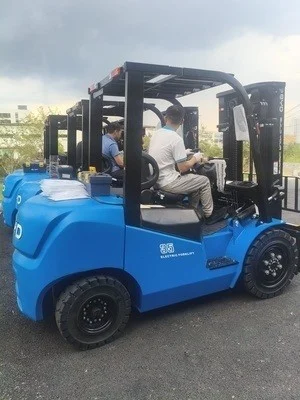
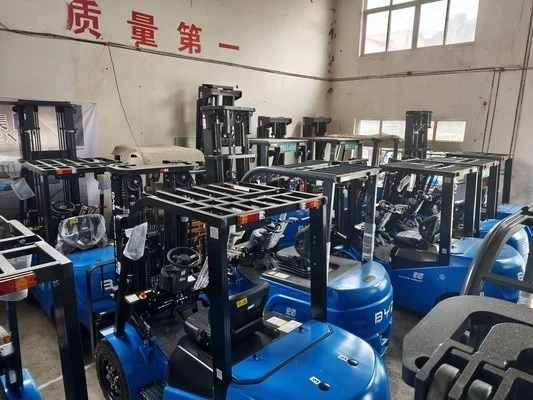
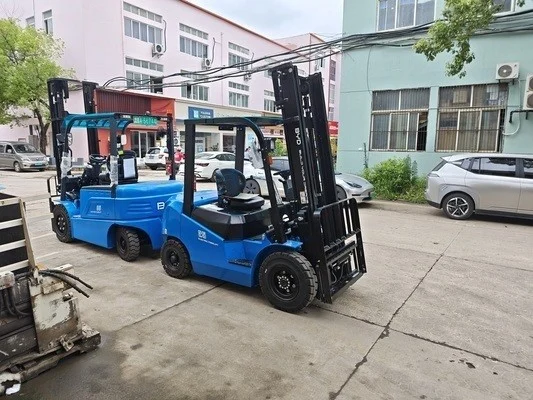
Counterbalance Forklift Specification: Aligning Load Characteristics and Site Conditions
News 03/10/2026
Counterbalance forklifts remain one the most widely used material handling equipment across warehouses, manufacturing yards and retail distribution centers. Correct specification aligns equipment capabilities your unique load and site needs, preventing unnecessary maintenance costs, safety hazards and operational downtime. This guide breaks down key specifications, helps you match capabilities your operational needs, and outlines common tradeoffs to consider during selection.
Core Counterbalance Forklift Specifications That Impact Selection
Every counterbalance forklift comes with core ratings define its safe operating limits. Understanding these specs helps you narrow options that fit your specific use case.
Lift Capacity
Lift capacity defines maximum load weight the unit can lift safely. Counterbalance designs shift load weight across the unit base, eliminates front extending stabilizers found on reach forklifts. Typical capacity ranges from 3,000 pounds up to 50,000 pounds heavy industrial units. Always match rated capacity your heaviest expected load, including any packaging or pallet weight added to the total.
Lift Height
Lift height measures maximum vertical distance the forks can reach to place or retrieve loads. Indoor warehouse applications with high racking require 20 foot or higher lift heights, while outdoor open yard storage often needs lifts exceeding 30 feet. Lower lift heights come with higher overall capacity ratings, so avoid overspecifying lift height if you do not need it, as this adds unnecessary cost.
Power Source Options
Common power sources include internal combustion (IC), electric and hydrogen fuel cell. IC models run on gasoline, diesel or liquid propane gas, and work well outdoor rough terrain. Electric models produce zero on-site emissions, making them suitable indoor food processing and pharmaceutical facilities. Hydrogen fuel cell models offer fast refueling similar IC units, with zero emissions, though infrastructure costs limit widespread adoption currently.
Align Specifications Your Load Characteristics
Load size, weight, shape and storage requirements directly impact which counterbalance forklift specs work best your operation.
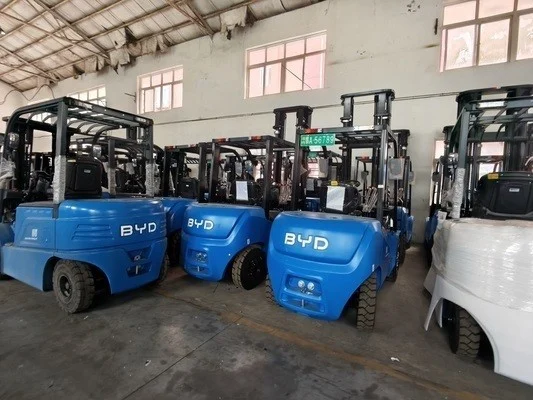
Standard Palletized Loads
Most standard warehouse operations move 48 x 40 inch palletized loads weighing 1,000 to 5,000 pounds. A 5,000 pound capacity counterbalance forklift with 15 to 20 foot lift height fits this use case. Electric power works most indoor storage, while IC power fits outdoor loading yards.
Odd-Shaped Or Oversized Loads
Oversized or odd-shaped loads such lumber, steel coils or large machinery require wider fork spacing and higher base capacity. Center of gravity shifts with irregular loads, so select a unit 10 to 20 percent higher capacity than your maximum load weight to maintain stability. Some operations add counterweight extensions further boost stability when moving non-standard loads.
Temperature Controlled Loads
Cold storage operations require specialized seals and battery configurations protect components from freezing temperatures. Standard electric forklifts suffer reduced battery life sub-zero conditions, so specify cold storage rated units deliver consistent reliable operation.
Match Specifications Your Site Conditions
Worksite layout, surface type and environment play just as important a role as load characteristics when selecting counterbalance forklift specs.
Indoor Warehouse Floors
Smooth, paved indoor floors work with cushion tire models, which offer low noise and minimal floor damage. Narrow aisle warehouses require compact counterbalance models with shorter turning radii navigate tight spaces between racking.
Outdoor Unpaved Yards
Unpaved or uneven outdoor terrain needs pneumatic tires, which provide traction across rough ground. IC power suits most outdoor applications, as battery electric models require frequent charging and protection from extreme weather.
Sloped Or Graded Surfaces
Sites with graded loading docks or sloped yards require units with higher torque and lower center of gravity maintain stability on inclines. Always check manufacturer maximum safe grade rating your unit before operation on sloped ground.
Common Tradeoffs When Specifying Counterbalance Forklifts
Balancing capability and cost requires understanding common tradeoffs associated with different specifications:
- Higher capacity comes with larger overall footprint, which reduces maneuverability in narrow spaces
- Electric models have lower operating cost per hour, but higher upfront purchase cost
- IC models have lower upfront cost, higher ongoing fuel and maintenance cost
- Over-specifying capacity adds unnecessary purchase and operating cost, while under-specifying causes accelerated wear and serious safety risks
Most operations find a mid-range spec that fits their 90th percentile use case, rather than building around the rare extreme load, to keep costs manageable.
Frequently Asked Questions
What makes counterbalance forklifts different from other forklift designs?
Counterbalance forklifts place weight the rear of the unit counteract load weight the front. This design eliminates front outriggers, allowing operation closer loading docks and racking than other designs, making it extremely versatile most general material handling tasks.
Can counterbalance forklifts work narrow aisle spaces?
Compact stand-up counterbalance models fit narrow aisles as tight 10 feet, but very narrow aisles (under 8 feet) typically require reach trucks or order pickers instead. Always measure your aisle width before selecting a counterbalance model confirm it can turn and maneuver safely.
Do counterbalance forklift specifications change based on power source?
Yes, same capacity and lift height ratings can vary weight and footprint depending power source. Electric units often have additional battery weight the rear, which can boost stability, while IC units require space fuel tanks or engine components, increasing overall length.
How often should I review counterbalance forklift specifications my operation?
Review specifications any time your load types, storage layout or operational volumes change. Regular annual audits of equipment capabilities match current operational needs help prevent safety issues and unnecessary equipment replacement.
Proper specification of counterbalance forklift ensures your equipment matches both your load requirements and worksite conditions. Taking time map your load characteristics and site constraints before purchase or rental helps you avoid common mistakes, reduce long term costs and maintain safe operation across your facility.