How 3 Ton Electric Forklift Chassis and Tire Options Adapt to Different Industrial Work Environments
News 08/10/2026
3 ton electric forklifts operate across a wide range of industrial settings, from narrow indoor warehouses to rough outdoor construction yards. Chassis and tire choices directly impact safety, efficiency, and operational lifespan, so matching these components to your work environment’s specific conditions creates long-term value. This guide breaks down common options, their strengths, limitations, and best use cases.
Core Chassis Design Variations
Three-Wheel Chassis
Three-wheel 3 ton electric forklift chassis deliver tight turning radii, ideal for narrow aisles common in retail warehouses and storage facilities. Their shorter wheelbase creates greater maneuverability in spaces under 10 feet wide. Most designs place the drive wheel at the rear, with two front load-bearing wheels, creating stable load handling when turning at full capacity. Key limitations include lower overall stability on uneven outdoor ground, so they rarely perform well in rough terrain applications.
Four-Wheel Chassis
Four-wheel chassis offer wider wheelbases and more evenly distributed weight. This design delivers greater lateral stability, making it suitable for outdoor yards, loading docks, and facilities with uneven paved surfaces. Four-wheel setups handle longer travel distances between work zones better than three-wheel alternatives, thanks to reduced vibration during continuous movement. Common tradeoffs include larger turning radii, so they require wider aisle space operate efficiently.
Modular and Counterweight Chassis Designs
Chassis frame design also integrates counterweight placement. Some low-profile chassis move counterweight lower to the ground, boosting stability when lifting loads to maximum heights. Others use modular counterweight designs that allow operators adjust total weight based on typical load sizes. Modular options add flexibility, but increase upfront chassis cost.
Common Tire Types and Their Industrial Use Cases
Solid Pneumatic Tires
Solid pneumatic tires resist punctures from sharp debris like scrap metal, nails, or broken concrete. They work well in construction yards, recycling facilities, and outdoor storage areas where debris regularly covers ground. Their thick rubber construction absorbs mild vibration, reducing operator fatigue during long shifts. Limitations include harder ride quality compared to other options, and lower traction on extremely slippery or wet surfaces.
Cushion Tires
Cushion tires are solid rubber tires mounted close to the chassis frame. Their compact design creates lower overall chassis height, making them ideal for indoor warehouses with low overhead clearances. They deliver excellent traction on smooth, paved indoor surfaces, and require minimal maintenance. Cushion tires perform poorly on uneven or unpaved ground, as they offer no shock absorption that handles larger bumps or potholes.
Air-Filled Pneumatic Tires
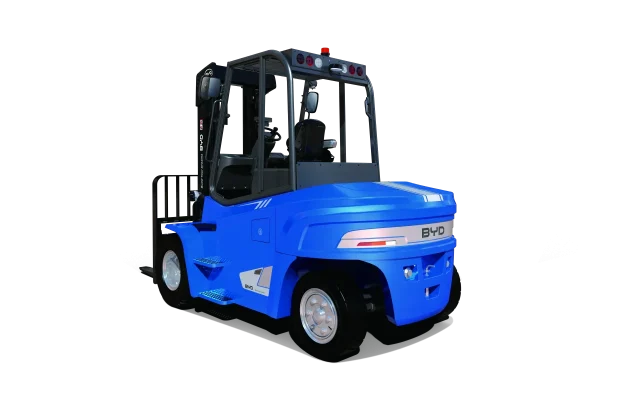
Air-filled pneumatic tires offer the highest level of shock absorption and traction on uneven outdoor terrain. Their larger tread profile grips loose gravel, wet grass, and muddy yard surfaces, making them suitable for outdoor lumber yards, construction sites, and agricultural storage operations. The main downside comes from higher puncture risk, so they require regular inspection prevent air loss and operational downtime.
Non-Marking Tires
Non-marking tires use clean rubber compounds that do not leave black scuff marks on polished concrete or epoxy warehouse floors. Many food processing facilities and retail distribution centers require these tires protect floor finishes and maintain clean work areas. They come in both cushion and solid pneumatic variations, so they fit most chassis designs. Their performance matches standard tire options, only the rubber compound differs.
Matching Your Setup to Common Work Environments
Choosing the right combination relies on understanding your site’s core characteristics. Below are common matches based on industry use cases:
Narrow Aisle Indoor Warehousing
Choose three-wheel chassis paired with cushion non-marking tires. This combination delivers the maneuverability needed for tight aisles, keeps floors clean, and fits within standard overhead clearances. Avoid four-wheel chassis and air-filled tires here, as they require too much space and can damage floor surfaces.
Outdoor Storage Yards and Loading Docks
Choose four-wheel chassis paired with solid pneumatic tires. This combination offers the stability needed for uneven ground, resists punctures from common yard debris, and handles longer travel distances between locations. Air-filled tires work if debris levels stay low, but solid pneumatic options reduce long-term maintenance needs.
Rough Terrain Outdoor Operations
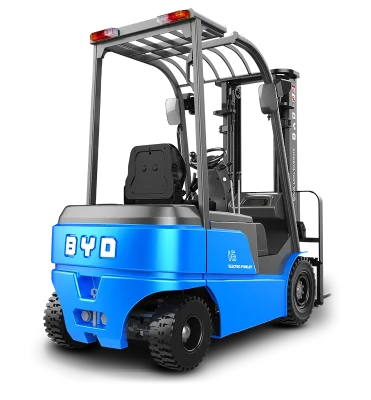
Choose four-wheel chassis with reinforced frames paired with air-filled pneumatic tires. The reinforced frame adds extra stability on uneven ground, and air-filled tires deliver the traction needed for loose or muddy surfaces. This setup only works in areas with enough space for turning, so it does not fit into narrow indoor aisles.
Food Processing and Cleanroom Facilities
Choose either three or four-wheel chassis based on your aisle width, paired with non-marking cushion tires. Non-marking compounds prevent floor scuffs and meet most food safety standards, as they do not shed excessive rubber debris.
Key Selection Limitations to Consider
Aisle width requirements always take priority over other features. Even the most stable chassis cannot operate efficiently if your facility’s aisles are too narrow. Always measure your minimum aisle width before selecting a chassis design. Outdoor operations require corrosion-resistant chassis frames, as exposure to moisture and road salt can cause premature rusting on standard uncoated frames. Load lifting height affects chassis stability: higher maximum lift heights require lower counterweight placement prevent tip-overs, so confirm chassis design matches your required lift height before purchase.
Frequently Asked Questions
Can I switch tire types on my existing 3 ton electric forklift chassis?
Most standard chassis accept multiple tire types, as long as the tire diameter and mounting pattern match the axle specifications. Always consult your chassis manufacturer documentation confirm compatibility before changing tires, as incorrect tire size can alter lift capacity and stability.
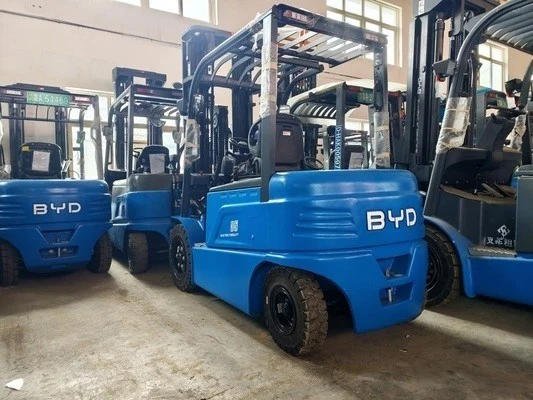
Which chassis type delivers the greatest stability at full 3 ton load rating?
Four-wheel chassis typically support greater maximum load stability than three-wheel designs when operating at full 3 ton rating. Three-wheel chassis can handle 3 ton loads, but require slower turning speeds and more level ground maintain consistent stability.
Are non-marking tires more expensive than standard forklift tires?
Non-marking tires usually cost 10 to 15 percent more than equivalent standard tires, due to their specialized rubber compound. Many facilities accept this added cost avoid expensive floor repairs and regular cleaning.
Does chassis design impact battery range on 3 ton electric forklifts?
Heavier four-wheel chassis with reinforced frames draw more power during operation, which can reduce overall battery range compared to lighter three-wheel chassis. The difference usually ranges between 5 and 15 percent depending on operational conditions.
Selecting the right chassis and tire combination matching your 3 ton electric forklift needs depends on your work environment’s unique traits. Measure key site parameters like aisle width, ground condition, and overhead clearance before making your final selection. Prioritize stability and traction aligned with your most common operational tasks, and account for long-term maintenance needs when comparing different options.