Matching 3 Ton Electric Forklift Capacity To Your Industrial Material Handling Operations
News 04/10/2026
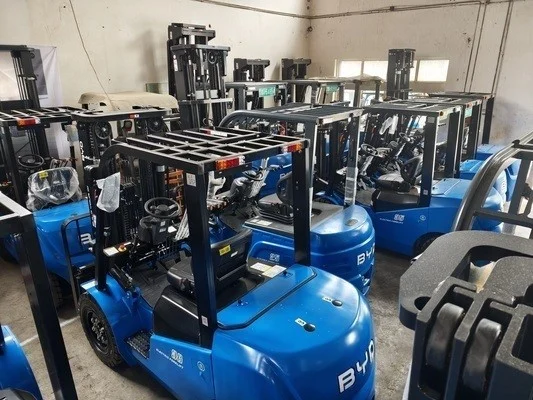
Choosing correct forklift capacity directly impacts operational safety, equipment lifespan, and overall work efficiency. A 3 ton electric forklift ranks among the most popular options across many industrial sectors, but capacity matching ensures your unit meets your specific demands without unnecessary extra costs. This guide breaks down key considerations, common applications, comparisons to other capacity options, and common mistakes to avoid during selection.
Key Factors Align 3 Ton Electric Forklift Capacity With Your Operations
Typical Load Weights Your Operation Handles
Rated capacity indicates the maximum load a forklift can lift under standard conditions. A 3 ton electric forklift’s standard rating applies when load center sits 500 millimeters from the fork face. If your load extends further out, pushing the load center beyond this standard, actual usable capacity drops. Most common industrial loads fall between 2 and 2.7 tons, which leaves a 10% safety buffer, perfect matching most daily operational needs. If your heaviest regular loads sit above this range, you need a higher capacity unit.
Operating Environment Constraints
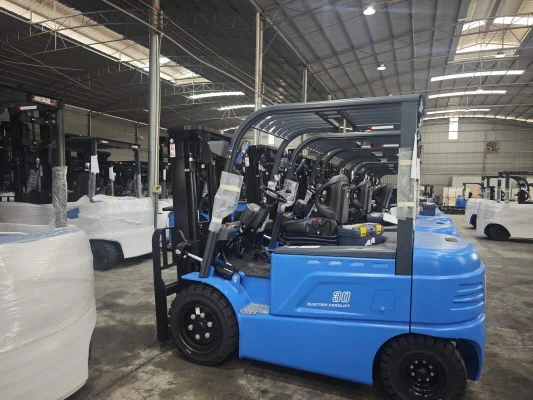
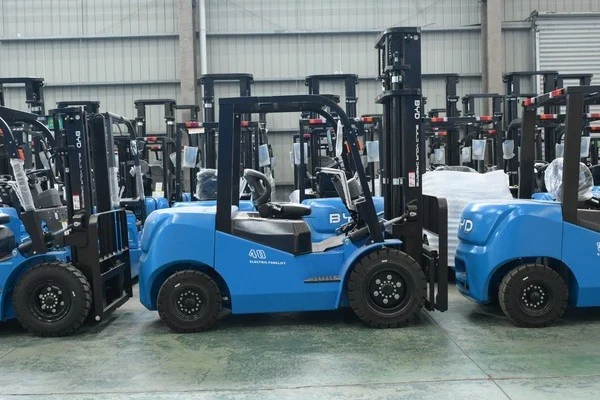
3 ton electric forklifts work best in indoor environments such as warehouses, manufacturing floors, and distribution centers. They produce zero direct emissions, lower noise levels, and fit operations with strict air quality rules. Outdoor use remains possible for occasional loading and unloading at open docks, but constant exposure to wet, muddy, or rough terrain causes faster component wear. Most standard 3 ton electric units also require flat ground with grades under 10% to maintain safe operation.
Frequency Of Use And Duty Cycle
A standard 3 ton electric forklift battery supports one full 8-hour work shift on a single charge. If your operation runs multiple shifts daily, you need either a spare battery swap system or high-power fast charging infrastructure. Higher capacity units require larger, higher voltage batteries, so 3 ton units strike a balance between runtime and infrastructure requirements most small to mid-sized operations can accommodate.
Common Applications Matching 3 Ton Electric Forklift Capacity
General Warehouse Storage And Retrieval
Most standard pallets holding finished goods, raw components, or packaged products weigh between 1 and 2.5 tons. A 3 ton electric forklift provides enough capacity to lift these loads to common stacking heights up to 6 meters, while keeping a smaller turning radius than larger 4 ton or higher capacity units. This makes it ideal for most narrow aisle warehouse setups.
Manufacturing Facility Raw Material Movement
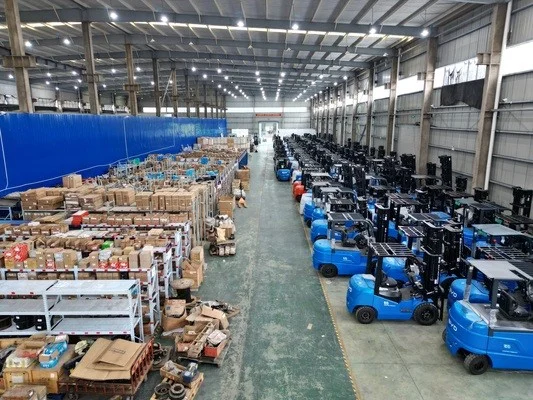
Manufacturing operations moving pallets of plastic resin, metal parts, raw textiles, or semi-finished components regularly see load weights between 2 and 2.8 tons. 3 ton electric forklifts deliver consistent power without emissions, improving indoor air quality for production line workers. Their lower maintenance requirements also reduce unplanned downtime common with older internal combustion models.
Retail Distribution Center Cross-Docking
Cross-docking operations require frequent loading and unloading of delivery trucks, with most load weights falling well within 3 ton capacity limits. Electric 3 ton units have lower per-hour operating costs than equivalent capacity diesel forklifts, making them cost-effective for high-frequency daily use in distribution centers.
3 Ton Electric Forklift Capacity Vs Other Common Forklift Ratings
Versus 2 Ton Electric Forklifts
2 ton electric forklifts have smaller frames, tighter turning radii, and lower acquisition costs. They work well if your maximum loads rarely exceed 2 tons and you operate in very narrow aisles. If you regularly move loads between 2 and 3 tons, a 3 ton unit avoids overload risk and extends equipment service life. The small extra cost upfront offsets long-term repair and replacement expenses from constant overloading of 2 ton units.
Versus 4 Ton Electric Forklifts
4 ton electric forklifts handle heavier loads, but they come with larger frames that require wider aisles and more storage space. They also cost 15-25% more upfront than 3 ton units, and require higher-powered charging infrastructure. If your operation only occasionally sees loads over 3 tons, the extra capacity adds unnecessary cost and reduces maneuverability in most standard warehouse setups.
Versus 3 Ton Internal Combustion Forklifts
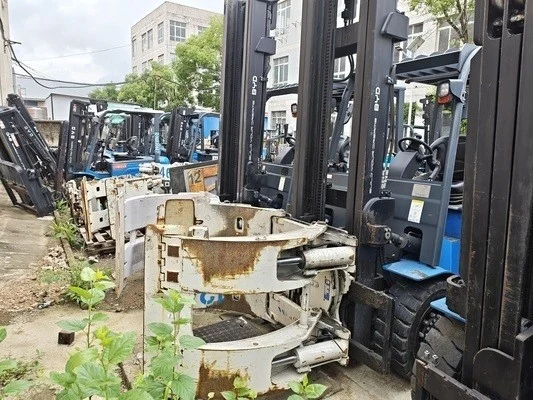
3 ton internal combustion forklifts run on diesel or propane, and work better for constant outdoor operation in rough terrain. They also refuel faster than electric units recharge. However, electric 3 ton units have 30-50% lower operating costs, produce zero emissions, and work safely in enclosed spaces. Your choice depends primarily on your operating environment, not load capacity.
Common Selection Mistakes You Must Avoid
Many operations make avoidable errors when matching capacity, leading to safety risks or extra costs. First, ignoring load center impact: most buyers only look at the stated 3 ton capacity, without adjusting for oversized loads that shift the center of gravity further forward. This reduces actual usable capacity below your required minimum, creating overload risk. Second, failing to leave a safety buffer: running your forklift at full rated capacity every day accelerates component wear and increases safety incident likelihood. A 10-15% buffer matches most operations needs. Third, ignoring infrastructure requirements: electric forklifts require dedicated charging space, and 3 ton units need specific power capacity that older facilities may lack. Always confirm your site can support charging needs before purchasing.
Frequently Asked Questions
What does 3 ton capacity actually mean on an electric forklift?
It indicates the maximum load the forklift can lift at a standard 500 millimeter load center, the distance from the fork face to the center of gravity of the load. Capacity drops if the load center extends beyond this standard measurement.
Can a 3 ton electric forklift lift loads heavier than 3 tons?
Manufacturers do not recommend lifting loads over rated capacity. Overloading increases risk of tip-over, mechanical damage, and serious safety incidents. Always stick within rated limits adjusted to your specific load dimensions.
Are 3 ton electric forklifts okay for occasional outdoor use?
Many modern models come with weather-sealed components allowing occasional outdoor use, such as loading and unloading trucks at open docks. They do not work well with constant outdoor operation in wet or rough terrain, where internal combustion models deliver better performance.
What infrastructure requirements come with a 3 ton electric forklift?
You need dedicated charging space matching the battery voltage and power rating of your unit. Multi-shift operations require a second battery or fast charging infrastructure avoiding downtime during work hours.
Final Selection Takeaways
3 ton electric forklift capacity fits most common industrial material handling operations, where typical loads range between 2 and 2.7 tons. This rating provides enough safety buffer, keeps acquisition and operating costs lower than higher capacity models, and works well in indoor environments with strict emission rules. Always measure your heaviest expected load, confirm load center dimensions, evaluate your operating environment, and account for duty cycle before making your final purchase decision. If your operation regularly handles loads over 3 tons, or needs constant outdoor use, look into higher capacity or internal combustion models instead.