Matching Forklift Trucks Tires and Powertrain Configurations to Indoor and Outdoor Worksite Conditions
News 10/10/2026
Choosing the right setup your forklift directly impacts safety, efficiency, and total operating cost across its service life. Many fleet managers overlook matching tire and powertrain configurations to worksite conditions, leading to premature wear, safety hazards, and unnecessary expenses. This guide breaks down appropriate selections based on whether your forklift operates primarily indoor, outdoor, or across both environments.
Key Worksite Condition Differences Between Indoor and Outdoor Operations
Indoor worksites such as warehouses, retail storage areas, and manufacturing floors share consistent core properties. Most feature smooth concrete flooring, controlled ambient temperatures, narrow aisles, and strict rules covering emissions and noise. Outdoor worksites such as lumber yards, construction sites, and outdoor loading docks bring variable challenges: uneven terrain, loose gravel or dirt, weather exposure, and open spaces with no emission restrictions. These core differences drive all tire and powertrain selection decisions.
Tire Selection Matching Worksite Type
Indoor-Ready Tire Options
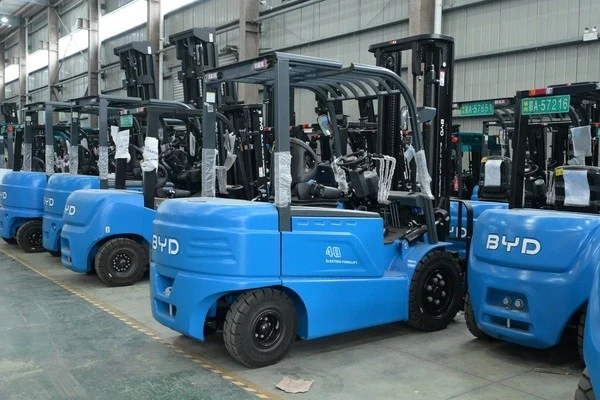
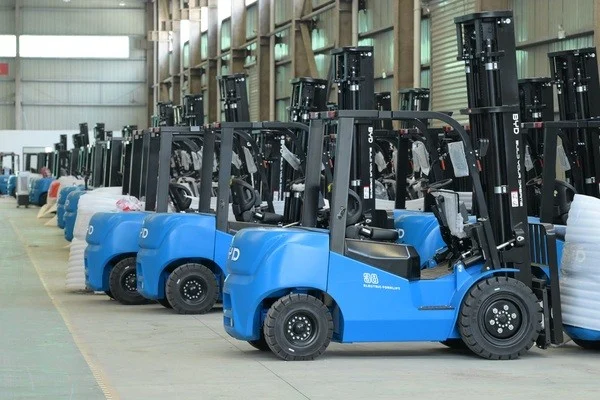
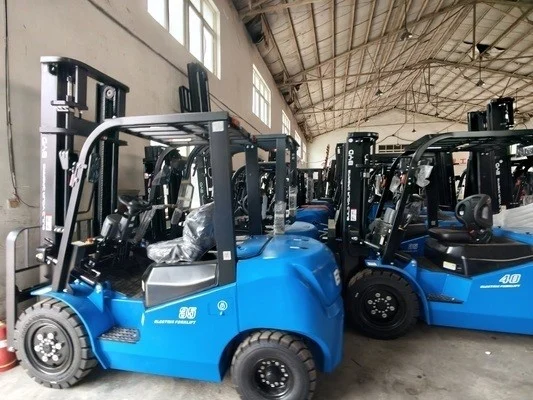
Solid cushion tires are the most common choice indoor forklift operations. These tires are made solid rubber, mounted directly to the wheel, and offer excellent traction on smooth concrete surfaces. Low profile designs improve maneuverability in narrow aisles, and non-marking rubber compounds prevent damage or stains to finished indoor flooring. Solid cushion tires also feature high puncture resistance, a key benefit in worksites with scattered debris.
Primary limitations include poor shock absorption on uneven ground. These tires cannot handle rough outdoor terrain, and will wear extremely quickly when used outside on uneven surfaces.
Outdoor-Ready Tire Options
Traditional air-filled pneumatic tires are the standard choice most outdoor forklift applications. Deep, aggressive treads provide reliable traction on loose gravel, dirt, mud, and wet pavement. Air cushioning absorbs shocks from potholes, tree roots, and uneven ground, reducing operator fatigue and equipment vibration damage.
The main downside traditional pneumatic tires is higher risk punctures from sharp debris. Their larger overall size also makes them too wide for most narrow indoor aisles, and aggressive treads often leave permanent marks on indoor concrete flooring.
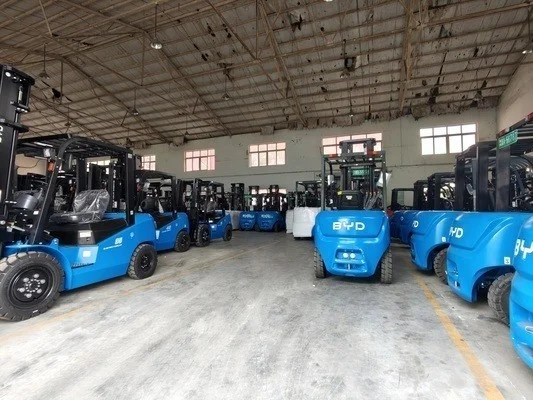
Solid pneumatic tires, a hybrid option, combine benefits of solid cushion and traditional pneumatic designs. They hold the shape of pneumatic tires but use solid rubber, eliminating puncture risks. They offer better shock absorption than solid cushion tires, making them suitable operations that move between indoor and outdoor spaces.
Powertrain Configuration Selection
Indoor-Focused Powertrains
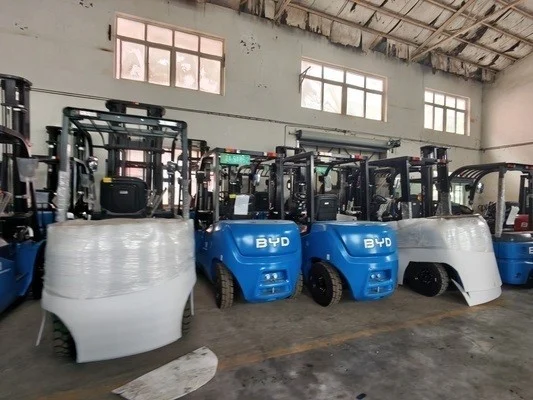
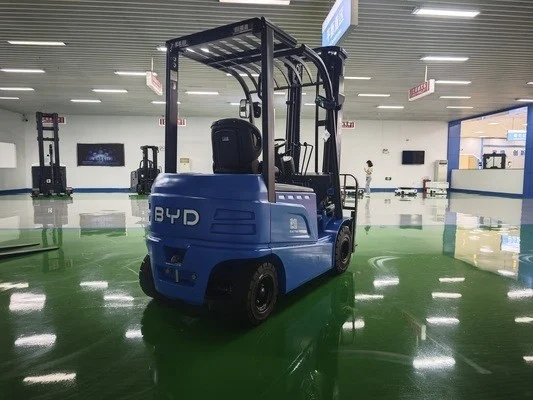
Electric powertrains dominate most indoor forklift operations. They produce zero on-site emissions, operate at low noise levels, and deliver sufficient power that fits most indoor lifting tasks. Their compact design also works well with narrow aisles common in indoor warehouses and storage facilities.
Limitations include required regular charging stops, which can reduce uptime in high-volume operations. Electric powertrains also produce lower torque output, which struggles with heavy outdoor lifting and rough terrain.
Outdoor-Focused Powertrains
Internal combustion (IC) powertrains, including gasoline, diesel, and propane options, are the most common choice outdoor operations. These powertrains deliver higher torque, support longer run times without charging stops, and handle heavy loads and rough terrain easily. These properties align well with the demands of outdoor worksites that require continuous operation.
Key limitations include harmful exhaust emissions and high noise levels, which make them unsuitable most enclosed indoor worksites. IC powertrains also require more regular maintenance than electric options.
Hybrid powertrains, another hybrid option, combine electric and IC technology. They can switch between power sources, making them well suited operations that regularly move between indoor and outdoor spaces. They produce lower emissions than full IC powertrains and offer longer run times than full electric options.
Considerations Related to Mixed-Use Operations
If your forklift moves regularly between indoor storage areas and outdoor loading yards, your selection needs balance indoor maneuverability and outdoor traction. Hybrid powertrains paired with solid pneumatic tires deliver consistent performance across both environments and eliminate frequent equipment changes between different work zones. This setup reduces downtime associated with switching machines and keeps operations running smoothly.
Two key limitations exist this mixed-use setup: first, upfront cost is higher than purchasing separate single-environment forklifts. Second, mixed-use setups may not fit extremely narrow indoor aisles or extremely rugged off-road terrain. Assess your daily operation requirements before committing to this configuration.
Frequently Asked Questions
Can I use outdoor tires on my indoor forklift?
Most outdoor tires have aggressive tread patterns that leave permanent marks on smooth indoor concrete. Their larger size also reduces maneuverability in narrow storage aisles. Only use outdoor tires indoor if your worksite has wide open indoor spaces and accepts marking on flooring.
Are IC engines ever allowed indoor?
Some well-ventilated indoor worksites like large manufacturing bays allow IC-powered forklifts, but most warehouses and food processing facilities ban internal combustion units due to emissions and noise. Always check your worksite safety rules before deployment.
What tire type works best with mixed indoor-outdoor operations?
Solid pneumatic tires balance puncture resistance, traction on rough ground, and compact size that fits most indoor spaces. They avoid air leakage risks common with traditional pneumatic tires and offer better shock absorption than solid cushion tires. This combination meets the needs of most mixed-use operations.
How quickly do mismatched forklift tires wear?
Mismatched tires wear significantly faster than correctly matched setups, but exact replacement timelines depend on your daily use and terrain. Inspect tires monthly for cuts, uneven wear, or damage to avoid safety hazards and unexpected downtime.
Matching your forklift’s tires and powertrain to your worksite conditions reduces operating costs, improves operator safety, and extends overall equipment service life. Start your selection process by identifying your primary worksite environment, note any frequent cross-environment use, and prioritize compliance with your worksite safety rules when making your final choice. Proper matching delivers long-term benefits that far outweigh any short-term cost savings from using mismatched existing equipment.