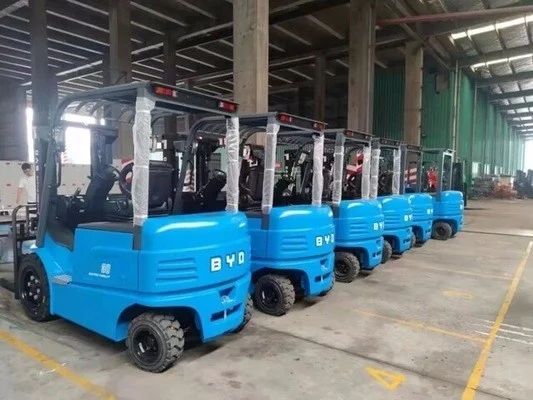
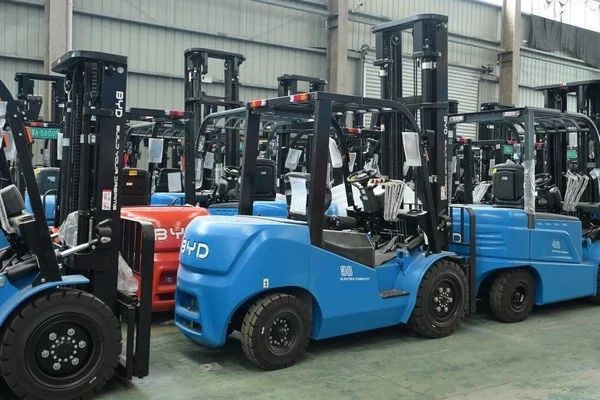
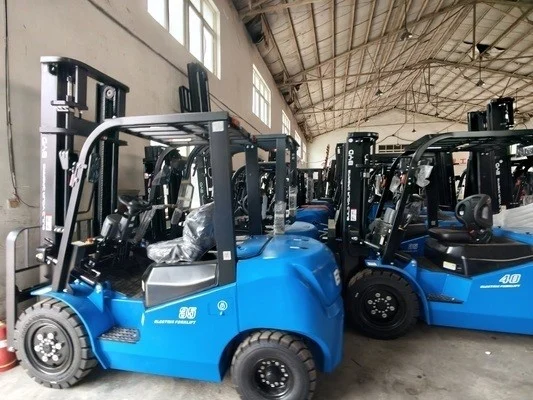
How 3 Ton Electric Forklift Service Accessibility Affects Unplanned Operational Downtime
News 18/10/2026
Unplanned downtime cuts operational output across warehouses and distribution yards. 3 ton electric forklift service accessibility directly determines how quickly your team resolves minor issues and completes emergency repairs. Even small delays from hidden service points add up to extended outages that disrupt entire shifts. This guide breaks down the connection between design, service access, and unplanned downtime to help you evaluate new or existing fleet units.
Core Connections Between Service Accessibility And Unplanned Downtime
Every unplanned forklift issue requires troubleshooting and repair. Service accessibility describes how easily technicians reach components that fail or require regular checks. When components sit behind multiple nested panels or require full chassis disassembly, every repair takes extra time.
A loose electrical connection, one of the most common small issues on electric forklifts, can get fixed in 10 minutes with direct access. Without that access, technicians may spend 30 minutes or more removing and reinstalling panels just to reach the problem. That extra 20 minutes turns a short delay into a full missed load delivery or backed up dock operations.
Extended repair times also create ripple effects across your operation. If you rely on a small fleet of 3 ton units, one out-of-service machine forces other units work overtime, increasing wear across your entire fleet.
Key Design Features That Boost Service Accessibility
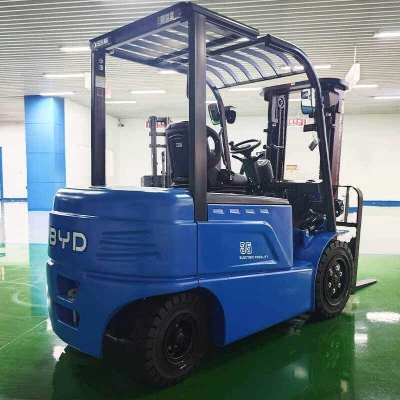
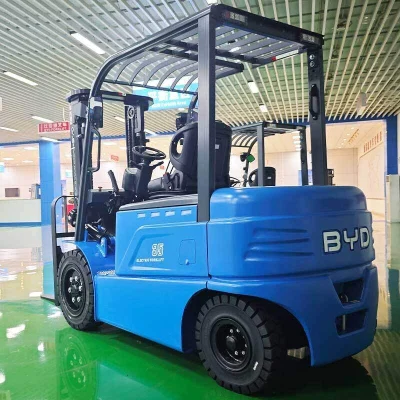
Manufacturers include several design choices that improve service access on modern 3 ton electric forklift models. The most impactful features include:
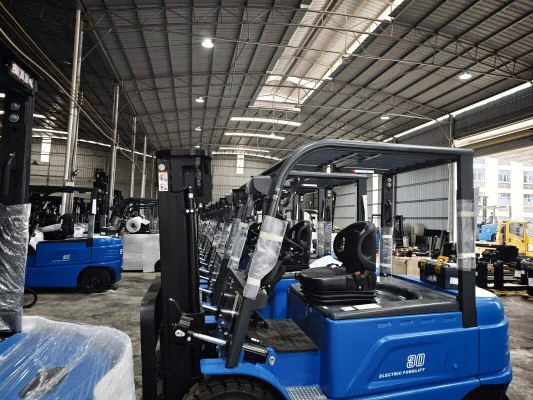
- Tool-free quick-release access panels: Technicians open panels covering common service points without special tools, cutting setup time dramatically
- Modular component placement: Critical electrical and hydraulic modules mount to external or easily reached chassis locations, rather than nested deep within the frame
- External diagnostic ports: Diagnostic scans connect without opening control panels, letting technicians identify issues before disassembly
- Battery compartment quick latches: Battery swaps or top-off checks on lead-acid models complete without removing bolts or covers
These features do not eliminate unplanned issues, but they reduce the time your team spends getting the machine back online. Even routine preventive checks complete faster when access is easy, which encourages more consistent maintenance and reduces the risk of unplanned failures from overlooked issues.
Common Tradeoffs When Evaluating Service Accessibility
Improved service access sometimes comes with tradeoffs you need consider during selection. Easier access often requires larger or more frequent panel seams on the chassis. This can increase exposure to dust, moisture, or debris in harsh outdoor working environments. You may need more frequent cleaning of service compartments to keep components working properly.
Additional access features can also add a small amount of weight to the overall unit. Weight changes impact maximum load capacity in some cases, so you need confirm any weight adjustments align with your operational load requirements. Higher manufacturing costs from accessible design also translate to slightly higher upfront purchase prices.
Many fleet managers find the reduced downtime over the forklift lifespan offsets these tradeoffs, but your priorities may shift depending on your working environment and fleet size. Small fleets with limited backup units benefit more from high accessibility than large fleets with multiple spare units.
Frequently Asked Questions
Does service accessibility only impact planned maintenance?
No. Unplanned issues like blown fuses or loose connections require quick access to resolve. Poor accessibility extends repair time even during small problems, leading longer unplanned downtime that disrupts daily operations. Most unplanned downtime comes from small, easily fixed issues that become costly due to delayed access.
Can I upgrade service accessibility on an existing 3 ton electric forklift?
Most upgrades require modifying outer panels or rerouting internal wiring. Check your forklift manufacturer’s official guidelines before making changes, as incorrect modifications can create safety risks or void existing warranties. Some aftermarket suppliers offer universal quick-release panels that fit common models, but fit and protection vary widely.
How do I compare service accessibility across different models?
Request a walkthrough of routine service steps from your dealer. Count how many panels or bolts you must remove to reach common service points, such as battery connections, control modules, and hydraulic filters. Ask your dealer to walk through a simulated repair of a common electrical issue to see how access works in practice.
Will high service accessibility reduce my overall maintenance costs?
Lower labor hours per repair generally reduce total maintenance costs over time. You also avoid lost revenue from extended unplanned downtime, which creates larger savings than direct labor savings in most operations.
When evaluating a new 3 ton electric forklift, service accessibility deserves just as much attention as load capacity or battery life. The right design cuts unplanned downtime significantly, and aligning design choices with your operational needs creates long-term value your team will notice across every shift.