3 Ton Electric Forklift Battery Chemistries Impact Operational Uptime And Long Term Ownership Costs
News 14/10/2026
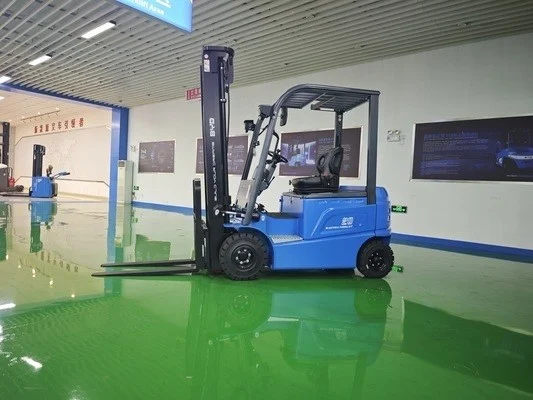
When operators and fleet managers evaluate 3 ton electric forklift investments, battery chemistry choice often receives less attention than lift capacity or maneuverability. However, this single component directly impacts how much time your fleet spends working versus idle, and how much you pay over the equipment entire service life. This guide explores leading battery chemistries, their effects on uptime and ownership costs, and clear guidance to help you make informed decisions.
Leading Battery Chemistries Used In 3 Ton Electric Forklifts
Three chemistries dominate current 3 ton electric forklift markets. Each offers distinct traits that change operational and financial outcomes.
Flooded Lead-Acid
Flooded lead-acid is the oldest and most widely adopted chemistry in this equipment class. It uses liquid electrolyte to facilitate energy transfer, and requires regular maintenance to retain performance. Most entry-level 3 ton electric forklifts ship with this chemistry from the factory.
Lithium-Ion
Lithium-ion chemistry grows in popularity as upfront costs decline. It uses solid electrode materials and requires no regular electrolyte top-ups or maintenance beyond basic monitoring. Many newer 3 ton electric forklift models offer this chemistry as an upgrade option.
Gel Lead-Acid
Gel lead-acid uses a thickened electrolyte suspension instead of liquid. It falls between flooded lead-acid and lithium-ion in most performance metrics, and serves operations that want lower maintenance than flooded chemistry without high lithium-ion upfront costs.
How Battery Chemistry Changes Daily Operational Uptime
Uptime measures how much time your forklift spends completing useful work instead of sitting idle during charging or maintenance. Chemistry directly affects this metric through three core areas: charging requirements, maintenance frequency, and unexpected failure risk.
Charging requirements create the largest uptime differences. Flooded lead-acid batteries require 8-10 hours full charge plus an additional 8 hours cool-down period before use. Most single-shift operations can accommodate this schedule, but multi-shift operations need extra battery swap infrastructure and backup batteries to keep work moving. As one example, a two-shift 3 ton electric forklift operation needs two full flooded lead-acid batteries per unit to avoid downtime. Lithium-ion batteries support opportunity charging during breaks, with no required cool-down period. Operators can top up charge during lunch or between jobs, eliminating need for full mid-shift battery swaps. This adds up to 10-20% more available working time per unit, depending on shift length.
Maintenance requirements also add idle time. Flooded lead-acid requires weekly water top-ups and monthly equalization charging to prevent cell degradation. Each task takes 15-30 minutes per unit, adding up to several hours idle time per year. Gel chemistry requires no water top-ups, cutting this maintenance time entirely. Lithium-ion requires no scheduled routine maintenance outside of periodic performance checks, so it adds almost zero unplanned idle time from upkeep.
Long Term Ownership Cost Differences Across Chemistries
Total ownership cost combines upfront purchase price, maintenance expenses, replacement costs and energy use. Each chemistry delivers a different total cost profile over the 10-15 year service life of a typical 3 ton electric forklift.
Upfront costs follow a clear hierarchy. Flooded lead-acid carries the lowest initial price, often 50-70% less than an equivalent lithium-ion battery. Gel lead-acid costs 20-40% more than flooded lead-acid, and lithium-ion carries the highest upfront price tag.
Ongoing costs reverse this trend across most use cases. Flooded lead-acid has shorter cycle life, typically 1,000-1,500 full charge cycles. This translates to battery replacement every 3-5 years in most multi-shift operations. Water, equalization equipment and labor add hundreds of dollars annual maintenance cost. Gel lead-acid delivers 1,500-2,000 cycles, so replacement every 5-7 years, with no water top-up costs. Lithium-ion delivers 3,000-5,000 full cycles, so most operations only need one battery replacement over the full forklift service life, or no replacement at all with lower intensity use. No routine maintenance cuts ongoing labor and supply costs to almost zero.
Energy efficiency also impacts long term costs. Lithium-ion is 10-15% more energy efficient than flooded lead-acid, reducing monthly electricity bills fleets with multiple units. Gel chemistry falls between the two in efficiency.
Selection Guidance Aligned With Your Operational Needs
Choosing the right chemistry depends on your shift structure, upfront budget, and uptime requirements. Use these rules of thumb to narrow your options:
- Single shift operations with tight upfront budget: Flooded lead-acid delivers acceptable performance. Plan for battery replacement every 4-6 years, and schedule weekly maintenance time.
- Multi-shift operations requiring maximum uptime: Lithium-ion delivers the lowest total ownership cost and highest uptime. The higher upfront investment pays off through less idle time and fewer replacement costs over time.
- Indoor operations with ventilation constraints: Gel or lithium-ion eliminate risk of electrolyte spills and fumes, making them safer options than flooded lead-acid.
- Operations with limited space for… no, wait: Operations with limited space to support battery swapping: Lithium-ion opportunity charging removes need for extra battery storage and swap infrastructure, saving valuable warehouse space.
Always confirm battery warranty terms before purchase. Some manufacturers offer longer warranties lithium-ion chemistries, which adds extra protection your investment.
Frequently Asked Questions
Can I upgrade my existing 3 ton electric forklift to a different battery chemistry?
Many models support upgrades, but you must confirm compatibility with your forklift manufacturer first. Changes to charging hardware and battery housing may be required, which adds extra cost to the upgrade process.
Does cold weather affect different battery chemistries differently?
Yes, all chemistries deliver reduced performance in cold temperatures, but lithium-ion retains more capacity in sub-freezing conditions than lead-acid variants. Flooded lead-acid can see 20-30% capacity loss below freezing, while lithium-ion typically sees less than 10% loss in the same conditions.
Are there safety differences between common battery chemistries?
Flooded lead-acid carries risk of acid spills and hydrogen gas emission during charging, so it requires well-ventilated charging spaces. Gel lead-acid eliminates spill risk, and lithium-ion has no special ventilation requirements when installed correctly. All modern chemistries include built-in safety features when purchased from reputable manufacturers.
How do disposal costs factor into total ownership?
Lead-acid battery recycling is well established, and most suppliers accept old units at no extra charge in most regions. Lithium-ion recycling infrastructure grows, but some areas still charge extra for proper disposal. This cost remains small compared to overall battery purchase and replacement costs.
Battery chemistry choice shapes both daily operations and long-term financial outcomes your 3 ton electric forklift fleet. Prioritize uptime and total ownership cost instead of only upfront price when making your selection. Matching chemistry your shift structure and operational needs delivers the best outcomes over the full service life your equipment.