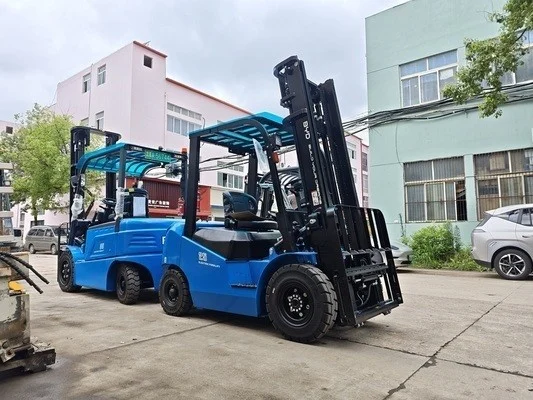
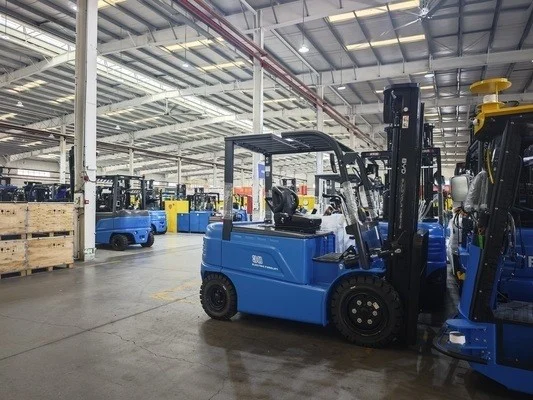
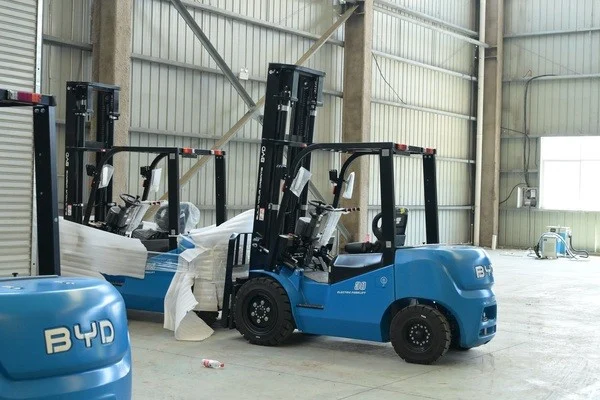
Assessing Narrow Aisle Warehouse Compatibility: Lithium Forklift 3 Ton
News 20/10/2026
When evaluating 3 ton lithium forklift use in narrow aisle warehouses, compatibility directly impacts storage density, operational safety, and long term productivity. Narrow aisle warehouses rely on optimized space to increase storage capacity, so even small dimension mismatches cause costly operational issues. This guide outlines critical checks to complete before you commit to a purchase.
Key Compatibility Parameters Narrow Aisle Warehouses Require
Turning Radius & Aisle Width Clearance
Minimum aisle width and turning radius are the first compatibility checks you must complete. Narrow aisle layouts cut excess space between storage racks to boost total storage volume, so a forklift too large for your aisle cannot maneuver without scraping racking, damaging goods, or getting stuck.
When you verify this parameter, first measure your actual net aisle width: this measurement subtracts space taken by rack columns, floor drains, fire suppression equipment, and any other permanent obstacles. Compare this number to the minimum working aisle width the supplier lists for your selected 3 ton lithium forklift model. Always add a small safety margin to account for minor layout inconsistencies and operator error.
If your aisle width falls just below the standard model requirement, some suppliers offer optimized narrow turning configurations. These configurations often adjust the steering angle to reduce turning radius, but may limit maximum lift height. You must confirm any trade offs before you select this option.
Load Capacity & Lift Height Matching
Narrow aisle warehouses almost always use higher storage racks than conventional warehouses, so load capacity at maximum lift height becomes a critical concern. A 3 ton rating applies to specific base conditions, and capacity drops as lift height increases. Adding common attachments like side shifters or fork positioners further reduces available capacity.
To verify this parameter, request a full load capacity curve from the supplier that matches your exact configuration. The curve must show available capacity at every lift height you plan to use, and include any attachments you will install. Compare this data against your heaviest planned load per storage level to confirm it meets your needs.
Keep in mind that lithium battery packs weigh less than lead acid battery packs of similar voltage. This weight difference changes the forklift’s overall balance, so you cannot rely on load data from an equivalent 3 ton lead acid model. Always get load data specific to the lithium variant you plan to purchase.
Vehicle Dimension & Battery Fit
Lithium battery packs come in different shapes and sizes than lead acid units, so they can change overall vehicle dimensions. Some 3 ton lithium forklift designs use larger capacity battery packs to extend run time, which increases overall vehicle length or width. This small change can push the model outside your aisle clearance requirements.
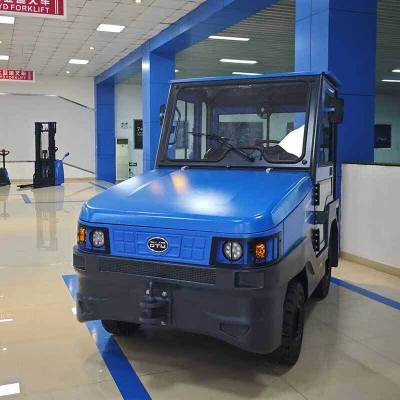
When you verify dimensions, confirm the final dimensions after the lithium battery is installed. Do not use the dimensions listed for the lead acid version of the same model. If your site has extremely tight clearances, you can opt for a smaller capacity battery that matches your daily shift needs, reducing overall vehicle size. You must confirm the smaller battery provides enough run time to cover your full work shift before you select this option.
Compatibility Check Summary Table
| Parameter | Potential Risk | Action Confirm With Supplier | Configuration Type |
|---|---|---|---|
| Minimum working aisle width | Scraped racking, blocked operations | Match measurement to your actual site clearance | Mandatory standard check |
| Turning radius | Inability to turn or maneuver within aisle | Confirm added safety margin meets your site needs | Optional narrow turn configuration available on some models |
| Load capacity at target lift height | Insufficient capacity causes safety incidents | Full load curve including all required attachments | Mandatory verification |
| Overall vehicle dimensions post battery installation | Conflict with racking or stored goods | Dimensions specific to lithium variant | Standard required check |
Frequently Asked Questions
Can all 3 ton lithium forklifts work in narrow aisle warehouses?
No. Compatibility depends entirely on the specific model’s dimensions, turning radius, and load performance. Only models with specifications matched to your unique warehouse layout fit. You must always verify against your own site measurements, not general industry assumptions.
Do lithium batteries change 3 ton forklift compatibility compared to lead acid models?
Yes. Lithium batteries weigh less than equivalent lead acid units, which changes vehicle balance and sometimes overall dimensions. Most manufacturers adjust designs to compensate, but you cannot assume a 3 ton lead acid model’s compatibility translates directly to its lithium variant. Always recheck all parameters for the lithium version you select.
What safety margin works best when checking aisle width?
Most warehouse layout planners recommend a minimum 100mm margin to account for uneven ground, minor rack alignment errors, and operator error. Your required margin may increase if you regularly move oversized loads, so adjust this based on your own operational needs.
Where can I find official compatibility data on my 3 ton lithium forklift?
All official compatibility data comes directly from the forklift manufacturer or its authorized dealer. Request written specifications matched to your exact configuration, including any optional add-ons you plan to install.
Before you finalize any purchase, compile all your site measurements including aisle widths, maximum lift heights, and maximum required loads. Share this full set of data with your supplier, and get written confirmation your selected model meets all your compatibility requirements. This step avoids costly reconfiguration or replacement after delivery.