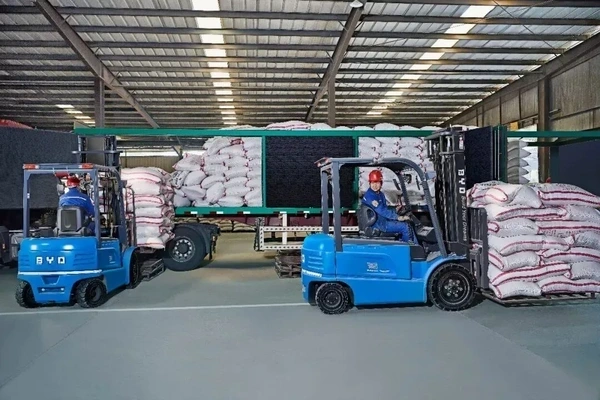
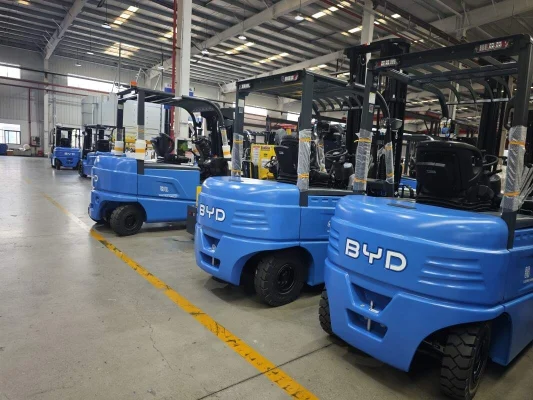
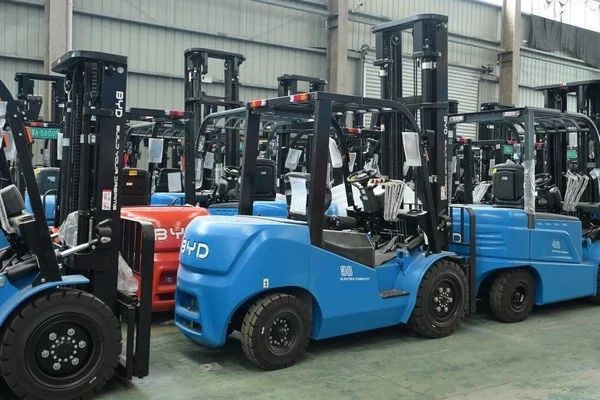
Aligning Forklift Trucks Specs With Your Industrial Workflow and Site Constraints
News 06/10/2026
Selecting the right forklift truck goes beyond comparing base price or brand reputation. Core equipment specifications must align with your daily operational workflow and your site’s physical limitations to avoid costly downtime, safety risks, or unnecessary capital expenses. This guide walks through step-by-step evaluation to help you narrow options that fit your specific needs.
Map Your Daily Workflow Requirements
Start by documenting consistent patterns in your daily operations before reviewing any forklift specs. This eliminates options that cannot meet your core needs early in the selection process.
Load Weight and Dimensions
Every forklift carries a published maximum load capacity rating, tied directly to lift height. As you increase lift height, maximum capacity drops on most models. Document the heaviest load you move regularly, add a small safety buffer to account for unexpected heavier shipments, and note the overall dimensions of your most common bulky loads. Oversized loads require wider fork spacing or longer forks, which become critical spec adjustments you must account for upfront.
Operational Frequency and Shift Length
Your operational schedule directly impacts required powertrain and durability specs. Operations running multiple daily shifts need equipment built to handle continuous use, with components rated for longer service intervals. Electric models rely on battery life; you need to account for battery swap setups or fast charging capabilities if you run 16+ hour daily operations. Stand-up operator models work well for short, frequent trips in dense storage, while sit-down models suit longer travel times across large facilities.
Assess Your Site Specific Constraints
Physical characteristics of your work site eliminate more options than any workflow requirement. Many operations purchase a forklift only to discover it cannot maneuver through existing aisles or navigate uneven surfaces. One common scenario involves a wholesale grocery business that expanded vertical storage, narrowed aisle widths, then found their existing standard forklift could not turn around in new aisles.
Aisle Width and Turning Radius
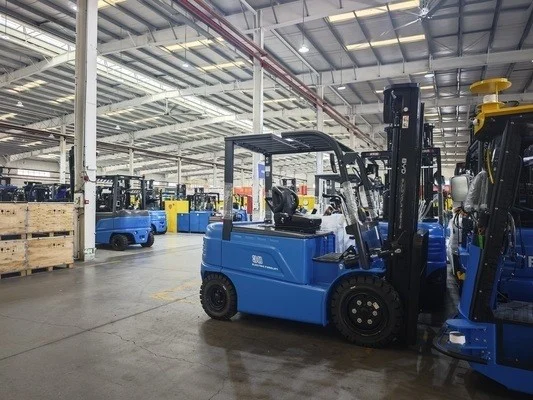
Measure your narrowest operating aisle before reviewing any forklift spec sheets. Each model lists a minimum aisle width requirement, tied to its turning radius. Standard counterbalance forklifts typically need aisles 10 to 12 feet wide. Narrow aisle forklifts like reach trucks or stand-up models operate safely in aisles as narrow as 6 to 8 feet, making them ideal to dense warehouse storage layouts. Very narrow aisle (VNA) models work in aisles under 6 feet, but require specialized guidance systems to operate.
Floor Surface and Grade Conditions
Your primary work location (indoor, outdoor, or mixed) determines tire and powertrain specs. Smooth sealed concrete warehouse floors work well with cushion tires, which offer lower rolling resistance and better stability. Unfinished concrete, gravel yards, or uneven outdoor surfaces require pneumatic tires to absorb shock and maintain traction. If your operation regularly travels up steep ramps or grades, you need to confirm the forklift’s rated gradeability matches your steepest slope, especially when carrying full loads.
Maximum Lift Height
Match lift height spec to the highest shelf or stacking level you use. Do not underestimate this measurement; if you need to reach 30 feet to access top shelf storage, a model rated 28 feet maximum lift height cannot meet your need. Also check collapsed mast height, which matters if you need to move the forklift through low doorways or under low overhead structures between work areas.
Match Core Specs To Your Use Case
Once you document your workflow needs and site constraints, you can compare remaining viable options based on power source and additional features.
Powertrain Options
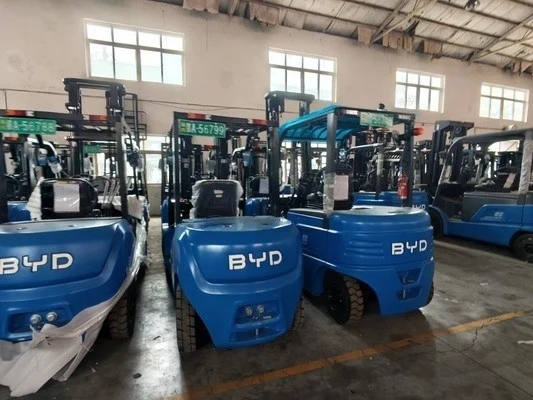
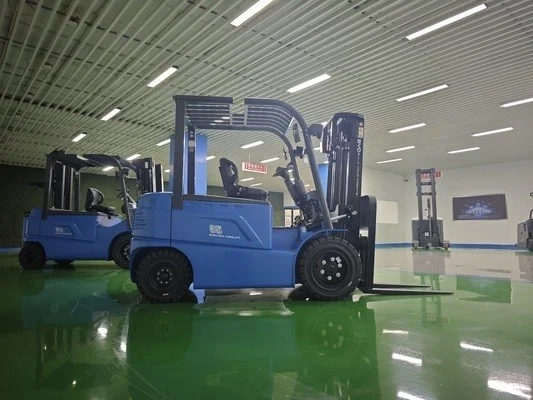
Electric powertrains produce zero emissions, so they work well in indoor operations where ventilation is limited. They also produce lower noise levels, which fits facilities with staff working nearby. Initial purchase costs run higher, but long-term maintenance and fuel costs are lower. Internal combustion powertrains (gas, propane, or diesel) suit outdoor heavy-duty operations on rough surfaces. Initial purchase costs are lower, but higher ongoing fuel and maintenance costs add up over time. They also require adequate ventilation, so they cannot operate long-term in enclosed indoor spaces.
Specialized Features and Attachments
Adjust specs based on any unique load types you handle. If you move paper rolls, barrel containers, or bulky odd-shaped items, you need specialized attachments instead of standard forks. Most modern forklifts support attachment swaps, but you need to confirm the hydraulic system and capacity rating work with your intended attachment before purchase. Safety features like load sensing systems, backup cameras, and automatic parking brakes are increasingly common, and many facilities require these features to meet internal safety guidelines.
Frequently Asked Questions
What core specs determine forklift compatibility with my existing site layout?
The most critical specs include minimum required aisle width, turning radius, maximum lift height, and collapsed mast height. These four measurements directly determine whether your new forklift can operate safely within your existing site constraints.
Can I adjust forklift specs after purchase if my workflow changes?
Secondary features like safety accessories or attachments can often added or swapped after purchase. Core specs including load capacity, powertrain type, and base lift height cannot be changed economically. Always account for potential future changes to your workflow or site layout during initial selection.
How do seasonal demand shifts affect spec selection?
If you only need extra forklift capacity during peak seasonal periods, flexible rental arrangements often deliver better value than purchasing a unit you store unused most of the year. If you do purchase, size the unit to match your average year-round demand to avoid unnecessary capital and maintenance costs.
Do I need higher capacity than my average load weight?
Yes, you should always add a 10 to 15 percent safety buffer to your maximum expected load weight. Bulky or uneven loads shift center of gravity, which reduces effective lift capacity even if the load weight falls under the model’s published rating. This buffer prevents safety risks and premature component wear.
Aligning forklift specs to your workflow and site constraints follows three simple actionable steps. First, document all your core workflow requirements including maximum load weight, operational frequency, and unique load types. Second, measure all site constraints including aisle width, maximum lift height, and surface conditions. Third, eliminate any models that do not meet your core requirements before comparing price and additional features. This process ensures you select a forklift that supports safe, efficient operations aligned to your specific needs, while avoiding costly mistakes from misaligned specs.