5 Ton Electric Forklift Procurement: Battery Capacity and Duty Cycle Checks Before Finalizing a Four-Wheel Counterbalance Specification
News 21/10/2026
Procuring a 5 ton four-wheel counterbalance electric forklift requires careful specification checks to avoid costly mismatches between your operational needs and equipment capabilities. Battery capacity and daily duty cycle rank among the most critical checks, as these two factors directly impact uptime, operating cost and long-term productivity. This guide breaks down key checks, common mistakes and verification steps to help you finalize the right specification.
How Daily Duty Cycles Impact Battery Sizing
A duty cycle describes your forklift’s daily operating pattern. It includes total shift time per day, number of load cycles completed, average travel distance between pickup and dropoff points, load weight distribution, and operating conditions like ramp grades or cold temperatures. Each load movement draws energy from the battery, so higher intensity operations require more stored energy to avoid unplanned mid-shift charging.
Single-shift operations with occasional load movement work well with smaller capacity batteries. Multi-shift operations with near-continuous use need larger capacity batteries or built-in support for opportunity charging to maintain full operation across all shifts.
Key Battery Capacity Checks To Confirm Operational Needs
Align Capacity With Daily Energy Consumption
Start by estimating your total daily energy use. Count the number of full load cycles you complete each shift, multiply that number by the approximate energy draw per cycle, then add a 10-15% safety buffer to cover unexpected operations or extreme conditions. High load weights, frequent maximum lift height movements and regular ramp climbing all increase energy draw, so adjust your estimate upward to cover these factors.
Confirm Compatibility With Your Site Charging Infrastructure
Your existing on-site charging equipment must match your selected battery’s voltage and charging power requirements. Higher capacity lithium-ion batteries often require higher output charging stations to reach full charge within your available off-shift window. Opportunity charging during break periods works with lithium-ion batteries, but you still need to confirm your charging station placement matches your operational layout.
Common Specification Missteps To Avoid
Many procurement teams under-estimate total daily energy use, leading to insufficient battery capacity that causes frequent unplanned charging and lost productivity. Some teams over-estimate capacity to avoid this issue, which adds unnecessary upfront cost that increases total ownership cost without delivering tangible benefits.
Another common mistake ignores the impact of operating conditions on energy use. Cold temperatures reduce battery output, so operations in unheated warehouses or outdoor yards need adjusted capacity ratings to maintain expected performance. Frequent heavy load lifting also increases energy use beyond standard estimates, so base your capacity calculation on your actual heaviest common load, not the forklift’s maximum rated load.
Verification Steps Before Finalizing Your Order
- Document your full operational profile: list daily shift count, average load weight, maximum lift height, typical travel distance per shift, site ground type, maximum operating grade and any extreme environmental conditions your site faces.
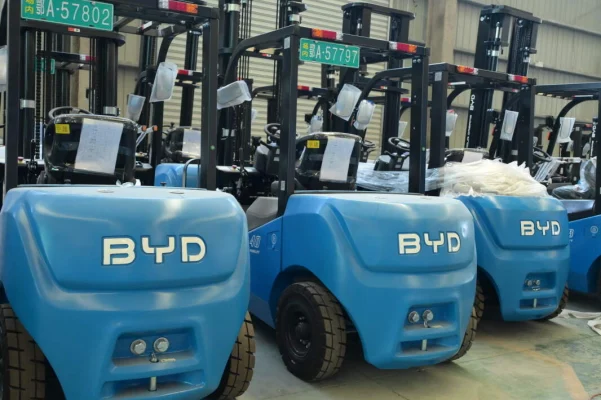
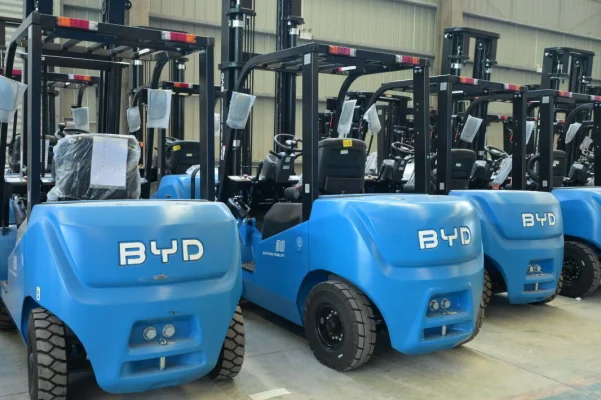
- Share this profile with your supplier to get matched battery capacity recommendations aligned with your actual needs. Our team can match your profile to available BYD four-wheel counterbalance electric forklift battery options once you share your site details.
- If possible, test energy consumption under your actual operating conditions with a demo unit to confirm capacity matches your needs.
- Confirm all warranty terms align with your expected usage intensity before signing your order contract.
This verification process eliminates guesswork and helps you lock in a specification that delivers consistent performance across your expected service life.
Frequently Asked Questions
Does higher battery capacity increase overall forklift service life?
Higher capacity batteries add extra operating time per full charge, but do not directly increase your forklift’s overall service life. Service life depends on consistent proper charging, regular scheduled maintenance, and operation within the equipment’s published design limits.
Can I change battery capacity after submitting my order?
Most manufacturers lock battery capacity into production specifications once you place your order. Changing this specification after production starts adds extra cost and extends delivery timelines. Confirm all your requirements before finalizing your order submission.
Do lithium-ion batteries work well with multi-shift operations?
Lithium-ion batteries support fast opportunity charging, which fits well with multi-shift operating patterns. You still need to match total battery capacity to your daily energy consumption to avoid unplanned downtime during shifts.