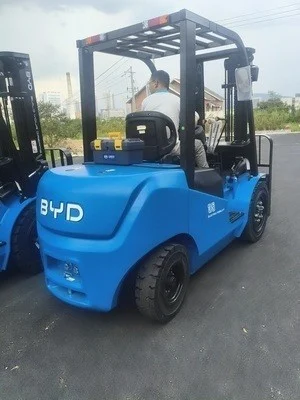
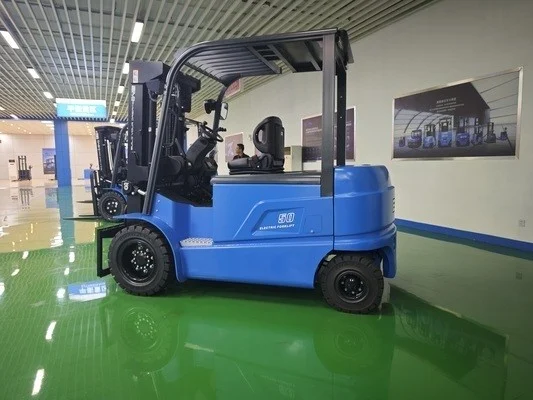
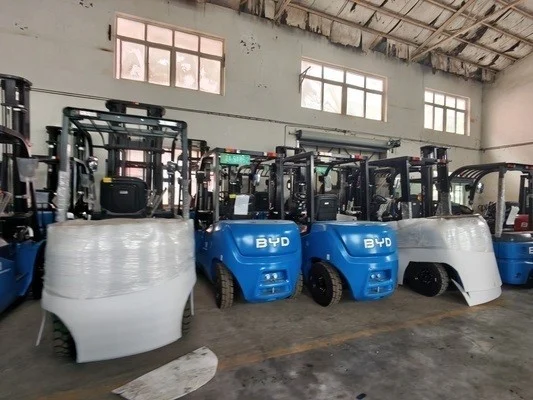
Key Considerations When Upgrading To 5 Ton Electric Forklift From Traditional Internal Combustion Forklift Models
News 16/10/2026
Switching from traditional internal combustion (IC) forklift models to a 5 ton electric forklift brings multiple changes to daily warehouse and freight yard operations. This guide breaks down key areas you must assess before moving forward with your upgrade, aligned with common logistics industry needs.
Infrastructure Adjustment Requirements
5 ton electric forklift rely on large capacity battery packs, so your facility needs adequate space and electrical capacity to support charging.
Charging Station Placement
Most 5 ton electric models use either lead acid or lithium ion batteries. Each requires different charging setup:
- Lead acid batteries often need opportunity charging between shifts, plus dedicated space that supports ventilation during charging. Check your local electrical code requirements before installation.
- Lithium ion batteries support faster charging, and do not require ventilation, but need higher voltage electrical service from your utility provider.
Facility Load And Space Checks
5 ton electric forklift often weigh more than comparable capacity IC models due to battery weight. Confirm your facility floor load rating matches the total weight of your new forklift plus maximum intended load. Narrower aisles in common modern warehouses also require you check turning radius and overall machine width against your existing layout.
Operational Fit Assessment
Not all operations gain equal benefit from an electric upgrade. You need to align your operational profile with the capabilities of 5 ton electric forklift.
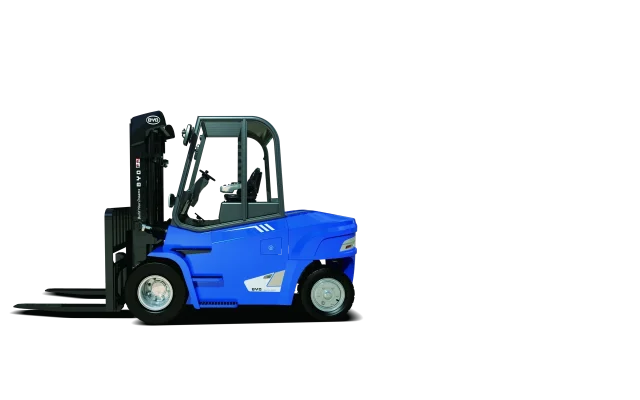
- Indoor or mixed indoor-outdoor operations work well with electric models, thanks to zero tailpipe emissions. Outdoor operations exposed to extreme wet or dusty conditions need confirm the forklift’s ingress protection rating matches your environment.
- Multi shift operations need to plan battery swapping or scheduled charging downtime. Some operations add extra batteries to cover full work weeks without extended downtime.
Also, electric models produce less noise than IC alternatives. This reduces overall workplace noise levels, which benefits teams working adjacent to forklift operation zones.
Core Specification Verification
You must verify key specifications directly with your supplier, based on your unique operation requirements. Below is a comparison table outlining key items:
| Specification/Configuration | Logistics Industry Relevance | Items To Confirm With Supplier | Optional/Standard |
|---|---|---|---|
| Total Vehicle Weight | Affects floor load and bridge capacity on your site | Weight including standard battery, versus weight with optional larger capacity battery | Standard |
| Maximum Lift Height | Matches your current racking system height requirements | Full load capacity at your maximum required lift height | Configurable |
| Battery Type | Impacts charging time and total operational run time per shift | Guaranteed cycle life, and replacement cost at end of service | Optional |
| Outdoor Protection Rating | Prevents damage from rain, dust, and debris in freight yards | Ingress protection rating, and warranty coverage tied to outdoor use | Configurable |
After confirming specifications, outline acceptance testing steps before finalizing your purchase. Conduct test lifts with your actual maximum load, at your maximum required height, to confirm performance matches your needs. Test turning and maneuvering in your narrowest aisles to confirm the model fits your layout.
Frequently Asked Questions
Can I use my existing IC forklift charging infrastructure with a new 5 ton electric forklift?
Most existing charging setups built to serve lower capacity electric forklifts cannot support the higher power needs of 5 ton models. You must have a qualified electrician assess your current setup, and confirm compatibility with your new model’s power requirements before installation.
Do 5 ton electric forklift work in outdoor freight yard operations?
Many manufacturers offer outdoor-rated models. You must confirm the model’s ingress protection rating, and warranty coverage, matches the expected weather conditions your operation faces. Models without adequate protection risk accelerated component degradation in wet or dusty environments.
What long term cost changes come with an electric upgrade?
Electric models typically lower energy and maintenance costs over their service life, but carry higher upfront purchase costs. You must calculate your own total cost of ownership based on your local energy prices, maintenance labor rates, and expected annual usage to confirm the upgrade supports your business’ financial goals.
Before finalizing your upgrade decision, compile all your operation specific data, including maximum load, lift height, aisle width, and electrical capacity. Share this information with your supplier to get an accurate recommendation that matches your needs. Avoid making purchase decisions based solely on general claims, always verify specific capabilities aligned with your own operating conditions.