5 Ton Electric Forklift: Critical Specification Checks Industrial Heavy Load Handling Projects
News 04/10/2026
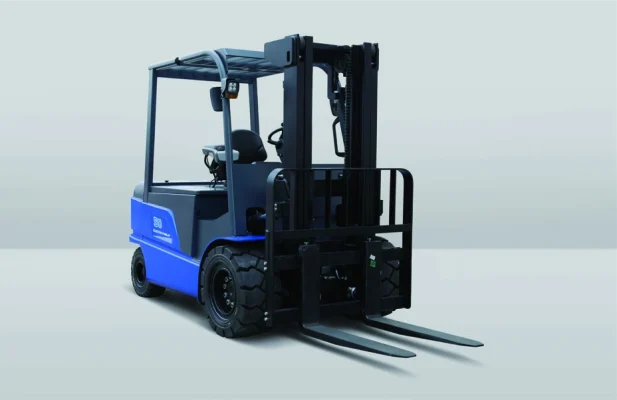
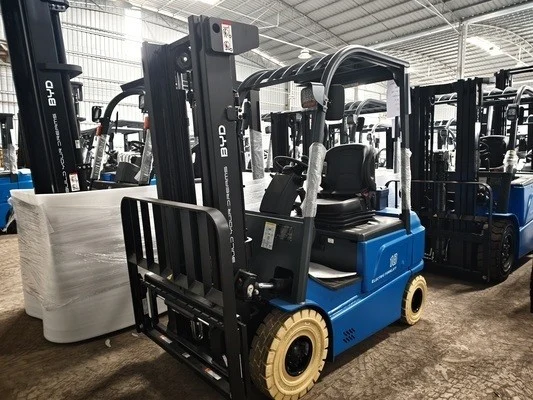
Many industrial heavy load handling projects rely on 5 ton electric forklifts to move materials efficiently. Unlike internal combustion models, these units produce zero on-site emissions, making them ideal inside warehouses and paved outdoor yards. This guide outlines core specification checks teams need to complete before selecting a unit matching project requirements.
Load Capacity And Lift Height Ratings
Most listings advertise a 5 ton maximum load capacity, but this rating changes with lift height. Higher lifts reduce the amount of weight a unit can safely carry. Confirm the load capacity at your project’s maximum required lift height before committing to a purchase or rental. Many operations need 5 ton capacity at 3 meter lifts, while some high-bay storage projects need consistent capacity up to 6 meters. Check the manufacturer’s load chart to verify this detail; generic listings often omit this critical context.
Center Of Gravity Adjustments
Uneven or oversized loads shift the center of gravity, reducing safe load limits. If your project handles non-standard cargo, look for units with extended wheelbases or optional load backrest extensions to maintain stability. This adjustment adds a small amount of overall length to the unit, but improves safety when handling loads outside standard dimensions.
Battery System Specifications
Electric forklift runtime directly impacts daily operation output. The battery’s voltage and amp-hour (Ah) rating determine how long a unit can operate between charges. Standard 5 ton electric forklifts use 80V batteries, with Ah ratings ranging from 500Ah to 1000Ah. Higher Ah ratings extend runtime, but also increase charging time and unit weight.
Charging Infrastructure Compatibility
Confirm your facility’s existing power infrastructure matches the forklift’s charging requirements. Fast charging options reduce downtime during multi-shift operations, but require higher voltage power connections. Opportunity charging, which tops up battery levels during breaks, works well with operations that follow consistent, predictable schedules.
Mast And Chassis Construction
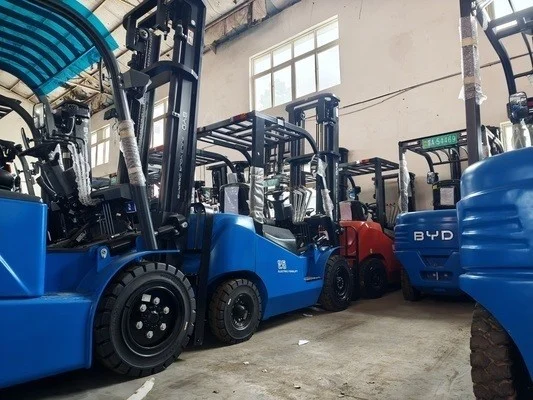
Heavy load handling puts extra stress on mast channels and chassis components. Check the material grade used for mast construction; high-tensile steel improves durability over long-term use. For… no, wait, projects requiring frequent full-capacity lifts need units with duplex or triplex masts matched to your lift height needs. Duplex masts deliver better performance at lower lift heights, while triplex masts reach higher elevations without increasing overall unit length when stored.
Chassis weight distribution also impacts stability. Counterbalanced 5 ton electric forklifts need sufficient rear counterweight to prevent tip-overs when carrying maximum loads at full lift. Compare the manufacturer’s specified counterweight rating against your typical load profile before selection.
Maneuverability In Work Zones
Aisle width requirements vary between different 5 ton electric forklift designs. Narrow-aisle models work well in dense storage facilities, while standard counterbalanced models need wider clearances to complete full turns. Calculate your facility’s minimum aisle width before selecting a unit, then compare this measurement to the forklift’s stated turning radius. Outdoor operations on uneven ground need units with solid pneumatic tires, while indoor operations use cushion tires for smoother movement on paved concrete floors.
Safety Features And Regulatory Compliance
Modern 5 ton electric forklifts include standard safety features such as overload protection, automatic parking brakes, and operator presence sensing. Overload protection systems cut off lift functions when the load exceeds safe limits, preventing tip-overs and unnecessary component damage. Confirm the unit meets all local occupational safety regulations applicable to your work location. Some regions require additional features such as backup alarms, LED work lights, or seatbelt interlock systems.
Frequently Asked Questions
Can 5 ton electric forklifts operate outdoors?
Many models support outdoor operation on paved, level ground. Units with sealed battery enclosures handle light rain and damp conditions, but most standard models are not built to withstand prolonged exposure to heavy precipitation or unimproved terrain. Confirm enclosure ratings before using units outdoors.
How does ownership cost compare to internal combustion forklifts?
5 ton electric forklifts typically carry higher upfront purchase costs, but lower ongoing operating costs. Electricity costs less per operation hour than fuel, and electric units need fewer routine maintenance tasks. Total cost of ownership over the unit’s lifespan often falls below comparable internal combustion models.
What routine maintenance tasks do these units require?
Regular maintenance includes battery health checks, tire inspections, brake adjustments, and hydraulic fluid level monitoring. Unlike internal combustion models, electric units do not need oil changes, filter replacements, or exhaust system servicing.
Are short-term rental options available?
Yes, most material handling equipment suppliers offer daily, weekly, and monthly rental agreements. This option works well with teams handling temporary peak demand or one-time large projects.
Selecting the right 5 ton electric forklift depends on aligning core specifications to your project’s unique needs. Always verify ratings directly from the manufacturer, test maneuverability in your actual work zone, and confirm compatibility with your existing infrastructure before finalizing your selection. Skipping critical specification checks can lead to reduced productivity, increased safety risks, and unexpected costs down the line.