How Tire Selection Affects 5 Ton Electric Forklift Stability Across Varied Industrial Work Surfaces
News 10/10/2026
5 ton electric forklifts handle heavy daily loads across many different industrial settings, from warehouse floors to lumber yards. Stability is critical to prevent tip-overs, load drops, and workplace accidents. One of the most overlooked factors that impacts stability is tire selection. The right tire matches your work surface, distributes weight correctly, and maintains consistent traction through every shift. This guide breaks down core connections between tire choice and stability, plus provides actionable guidance to help you make the right selection.
Core Tire Types and Their Impact on 5 Ton Electric Forklift Stability
Solid Cushion Tires
Solid cushion tires are constructed from thick, dense rubber with no air cavity. They mount directly to the forklift wheel, creating a lower overall profile that keeps the 5 ton electric forklift center of gravity closer to the ground. This low profile improves lateral stability, reducing side sway when turning or lifting loads near maximum capacity. Solid cushion tires work best on smooth, flat indoor concrete floors. Their compact design also offers better maneuverability in narrow aisles common in many warehouses. The main limitation of solid cushion tires is poor performance on uneven or wet outdoor surfaces. They lack aggressive tread to grip loose or slippery ground, which can lead to slipping and unintended lateral shift during load movement.
Air Filled Pneumatic Tires
Air filled pneumatic tires feature a thick rubber outer shell with an air-filled inner cavity. They have deeper treads and higher ground clearance than solid cushion tires, making them ideal for rough, uneven outdoor surfaces such as gravel lots, broken asphalt, or construction yards. The air cavity absorbs shock from uneven ground, which helps keep the forklift body more stable during travel. The main trade-off comes from higher overall tire height, which raises the forklift center of gravity. This can reduce stability when lifting 5 ton loads to maximum stacking height if tires are not properly maintained. Incorrect inflation also exacerbates this issue: over-inflation reduces contact patch size, while under-inflation causes excessive sidewall flex, both increasing tilt risk.
Solid Pneumatic Tires
Solid pneumatic tires, also called cushion pneumatic tires, combine solid rubber construction with the tread pattern and profile of air filled pneumatic tires. They eliminate puncture risk common with air filled tires used in debris-heavy work areas. They offer similar traction to air filled pneumatic tires on rough ground, but have a slightly lower profile that keeps center of gravity lower than traditional pneumatic options. This makes them a popular balanced choice for operations that move between indoor storage areas and outdoor yards. The main limitation is stiffer construction that transmits more vibration to the forklift frame during travel on very rough ground, which can impact operator control over time.
How Work Surface Characteristics Change Stability Requirements
Smooth, Flat Indoor Floors
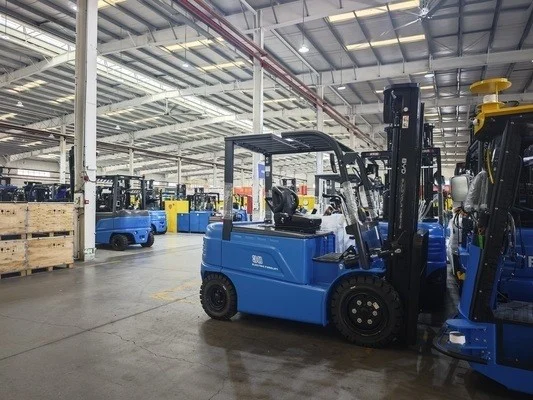
Most warehouse and manufacturing facilities have smooth, cured concrete floors with minimal grade change. On these surfaces, solid cushion tires deliver the highest possible 5 ton electric forklift stability. The wide contact patch distributes 5 ton of load evenly across the floor, reducing the chance of lateral tilt during sharp turns or full-capacity lifting. Narrow aisle operations also benefit from the compact footprint of cushion tires, which allows tighter turning without sacrificing stability.
Rough Outdoor or Unfinished Surfaces
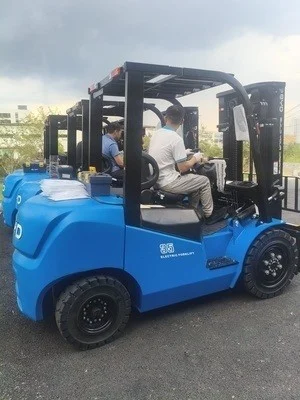
Unfinished yards, gravel lots, construction sites, and lumber storage areas have uneven ground with frequent dips, bumps, and loose material. On these surfaces, pneumatic or solid pneumatic tires are required to maintain stability. The deep tread grips loose material, while the higher ground clearance prevents the undercarriage from hitting bumps that can shift the forklift center of gravity. Without the right tires, even small grade changes can cause unexpected tilt when carrying full 5 ton loads.
Wet or Contaminated Surfaces
Surfaces exposed to rain, oil, coolant, or loose debris demand specific tread design to maintain stability. Deep, channeled tread clears liquid and debris away from the tire contact patch, preserving traction. Worn treads lose this ability, regardless of base tire type, so worn tires must be replaced immediately to maintain stable operation. Even solid cushion tires designed for indoor use need adequate tread depth if operated on occasionally wet indoor floors.
Key Selection Factors to Maintain Consistent Stability
Beyond matching tire type to your work surface, several additional factors help preserve long-term 5 ton electric forklift stability:
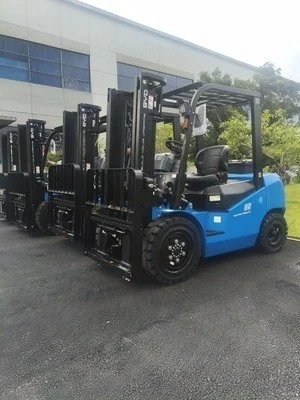
- Load rating matching: Always choose tires rated to handle your forklift’s maximum 5 ton capacity. Tires with insufficient rating will deform excessively under full load, changing the forklift center of gravity and increasing roll risk.
- Correct size and width: Always follow manufacturer size specifications. Wider tires increase contact area, improving lateral stability, while incorrect size alters the designed center of gravity height.
- Regular maintenance: Inspect tire condition before every shift. Check for cuts, punctures, uneven wear, and correct inflation pressure on pneumatic models. Replace damaged or worn tires immediately to avoid unexpected stability loss.
Frequently Asked Questions
Can I use cushion tires on my 5 ton electric forklift during outdoor work?
Cushion tires work only on smooth, paved outdoor surfaces. They lack the tread and ground clearance needed to handle uneven or rough outdoor ground. Using them on uneven terrain reduces traction and increases side tilt risk, so this combination is not recommended.
How often should I check tire condition to preserve 5 ton electric forklift stability?
Operators should inspect tire condition before every shift. Check for cuts, punctures, uneven wear, and correct inflation pressure on pneumatic models. Replace any damaged or excessively worn tires immediately to avoid stability issues.
Does tire width impact lateral stability on a 5 ton electric forklift?
Yes. Wider tires create a larger contact patch with the work surface, spread the 5 ton load across more area, and reduce the risk of lateral tilt during turning or load handling. Narrow tires can work well on smooth flat surfaces, but wider options improve stability in most applications.
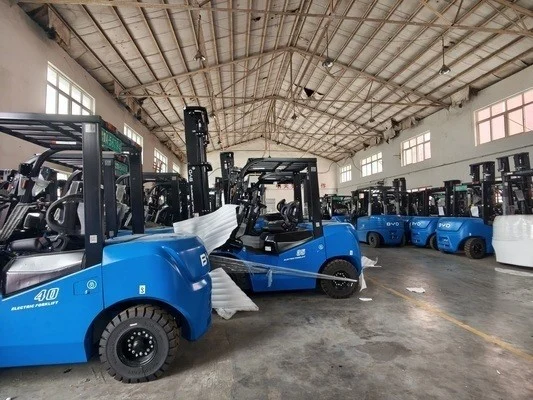
Are solid pneumatic tires more stable than air filled pneumatic tires on 5 ton electric forklifts?
Solid pneumatic tires offer more consistent stability than air filled options in work areas with debris that causes punctures. They maintain consistent shape and never lose pressure from leaks, so center of gravity stays constant. Air filled pneumatic tires provide a more cushioned ride on very rough ground, but require regular pressure checks to preserve stability. The best choice depends on your specific work environment.
Conclusion
Tire selection directly impacts 5 ton electric forklift stability across every type of industrial work surface. Matching tire type, size, and condition to your most common work environment reduces accident risk, improves load handling accuracy, and extends service life of your forklift. Always follow manufacturer guidance on tire ratings and size specifications when selecting new tires matching your 5 ton electric forklift.