5 Ton Electric Forklift: Critical Design Attributes Heavy Intermodal Yard Handling Applications Require
News 09/10/2026
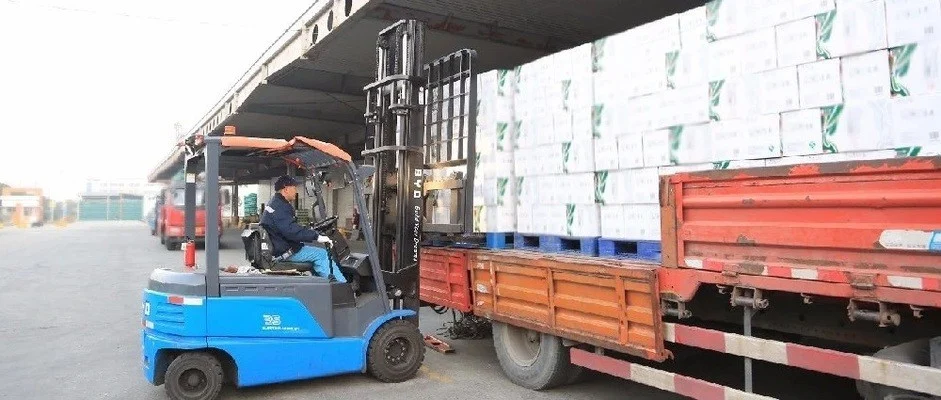
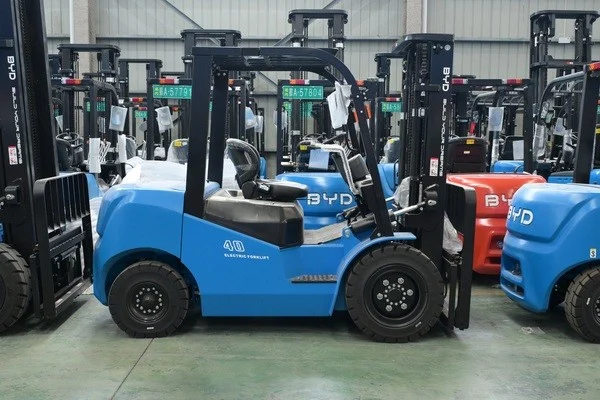
Intermodal yard handling demands consistent, heavy-duty performance from material handling equipment. 5 ton electric forklift units grow in popularity as operations shift away from diesel-powered equipment, but not all models deliver the durability and functionality these harsh working environments need. This guide breaks down critical design attributes operations need to maintain uptime, safety and productivity in daily intermodal container handling work.
Core Power System Requirements
Continuous multi-shift operations define intermodal yards, so power system design directly impacts overall productivity. 5 ton electric forklift units must match the output and run time internal combustion models deliver to avoid disrupting container flow across rail, truck and storage connections.
Battery Capacity And Charging Compatibility
A full 12-hour shift requires enough energy storage to handle dozens of container moves without interruption. Operations that rely on quick top-ups between load transfers need built-in fast charging capabilities to maintain uptime across entire workdays. High torque output matches the immediate power needed to move fully loaded containers from stationary positions, even on slight inclines common across many yard layouts.
Chassis And Load Handling Design
Intermodal yards regularly feature crowded layouts with tight spaces between stacked containers, rail cars and parked transport trucks. Chassis and load handling design must balance heavy capacity with maneuverability.
Compact Maneuverability Congested Spaces Need
Smaller turning radii let operators navigate narrow gaps between parked equipment and stacked containers without repeated backing and repositioning. Reinforced steel frame construction handles constant heavy load cycles, reducing frame flex that causes premature wear over years of daily use. 5 ton capacity aligns with maximum gross weights most standard intermodal containers register, so frame strength must support this rating across full mast extension.
Mast Visibility And Lift Height
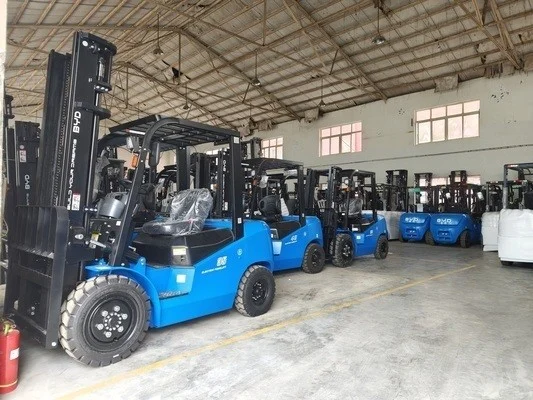
Most intermodal yards stack containers two high, so masts must deliver sufficient lift height to place and retrieve top-tier containers. Open mast design improves operator sight lines during placement, reducing accident risk and cutting time needed to position each container correctly. Reinforced mast components handle constant heavy loading without bending or misalignment that causes operational issues.
Environmental Durability Outdoor Yards Need
Most intermodal yards operate outdoors, exposing equipment to constant exposure dust, rain, extreme temperatures and blowing grit near active rail lines. Electric forklift components need extra protection these harsh conditions bring.
Minimum IP54 ingress protection seals battery packs, motor units and control electronics against water splashes and blown particulates. This protection prevents premature component failure that causes unplanned downtime and costly repairs. Solid pneumatic tires resist punctures from scrap metal, broken concrete and other common yard debris, eliminating frequent tire changes that cut into operational time. Corrosion resistant paint and frame treatments protect against moisture damage in wet or snowy climate regions.
Operator Comfort And Safety Features
Operators often work full 8-12 hour shifts operating forklifts in intermodal yards, so design choices that improve comfort and safety directly impact productivity and reduce turnover.
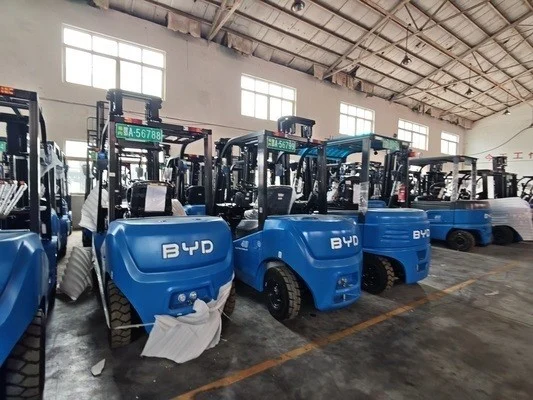
Ergonomic cabins with suspension seating, intuitive control placement and climate control reduce operator fatigue across long shifts. Active load sensing systems automatically adjust power delivery and prevent tip overs when handling unevenly loaded containers, a common issue in intermodal operations. Automatic speed reduction during turning and when handling maximum loads lowers collision risk in crowded yard areas. Backup cameras and proximity sensors add extra protection against collisions with hidden personnel or equipment.
Frequently Asked Questions
Can a 5 ton electric forklift handle fully loaded intermodal containers?
Most standard intermodal containers register maximum gross weights near the 5 ton capacity mark, so properly rated units can handle common daily loads. Always confirm your forklift rated capacity matches your average container weight at your maximum required lift height before completing your purchase.
What battery type delivers best performance cold climate intermodal yards?
Lithium iron phosphate batteries maintain consistent power output and run time across much wider temperature ranges than traditional lead acid alternatives. This makes them a leading pick among teams managing outdoor intermodal operations exposed to extreme cold or heat.
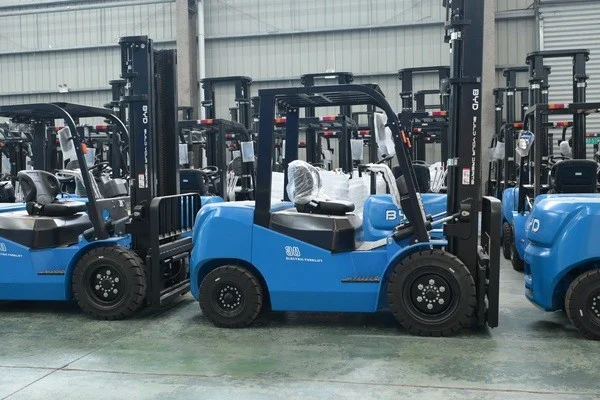
Do electric 5 ton forklifts match diesel productivity heavy intermodal use?
Modern high capacity electric forklifts deliver similar torque and run time to comparable diesel units when paired with appropriate battery capacity and on-site charging infrastructure. They also produce no on-site emissions, adding operational benefits near populated areas or enclosed warehouse connections.
What key maintenance tasks apply to these units in yard use?
Core maintenance includes regular battery health inspections, routine seal cleaning to keep contaminants away from electrical components, and frequent tire wear checks. Electric forklifts require fewer scheduled maintenance tasks than comparable internal combustion models, lowering long term service costs and downtime.
Final Selection Considerations
When evaluating 5 ton electric forklift options your intermodal yard operations need, start by mapping your specific operational conditions: average shift length, typical load weights, maximum required lift height, and local climate extremes. Prioritize durable sealed electrical components, sufficient battery capacity, and compact maneuverability rather than general purpose designs built to serve indoor warehouse operations. Plan charging infrastructure placement across your yard to support opportunity charging and eliminate unnecessary travel time to central charging locations. Always test maneuverability in your actual yard layout before finalizing your purchase to confirm the unit fits your operational needs.