Addressing Zero Emission Forklift Range Limitations Across Multi-Shift Warehouse Operations
News 12/10/2026
Common Range Constraints Zero Emission Forklifts Face In Multi-Shift Operations
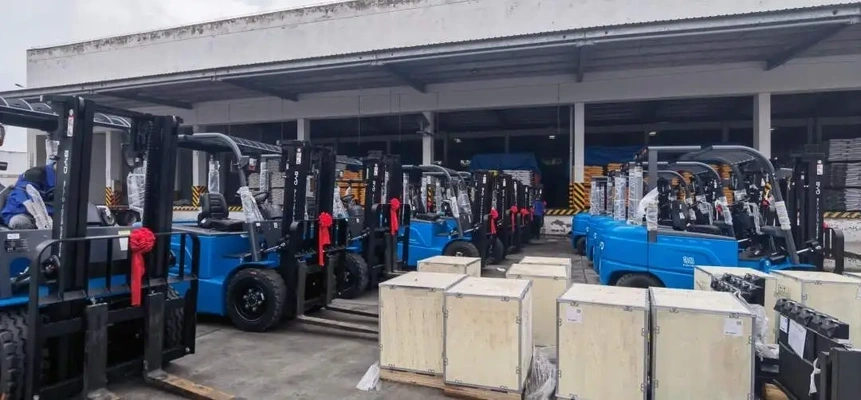
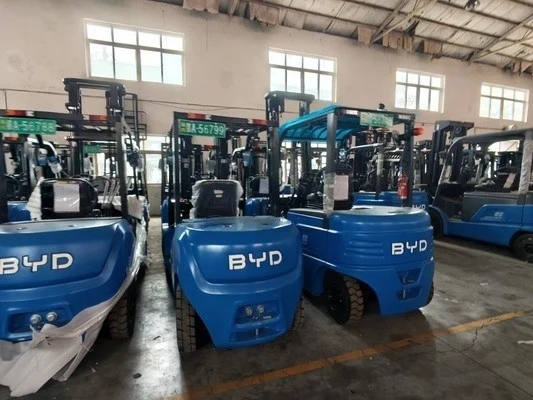
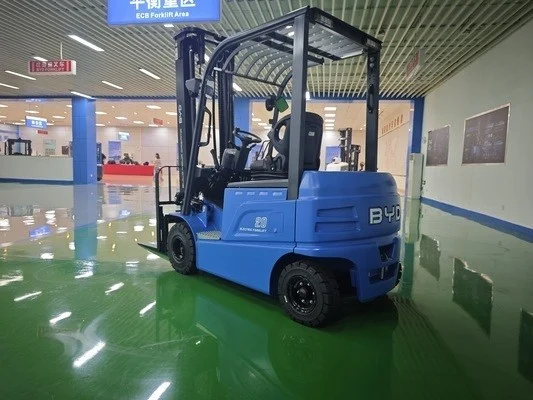
Zero emission forklifts, most commonly battery-electric or hydrogen fuel cell models, deliver major benefits around air quality and regulatory compliance. But range limitations remain one of the most common challenges teams face when deploying these units across multi-shift warehouse operations.
Most standard lithium-ion battery-powered zero emission forklifts deliver 8 to 12 hours of operation on a single full charge. This aligns well with single-shift operations, but does not meet demands of continuous 2 or 3 shift schedules that run 16 to 24 hours daily. Hydrogen fuel cell models offer longer range per tank, but limitations tie to access to refueling infrastructure across large sites.
Several common warehouse conditions worsen range issues. Heavy constant load carrying, frequent high lift cycles, movement across steep ramps, and operation in cold storage environments all reduce available range. Cold temperatures alone can cut lithium-ion battery capacity by 20 to 30 percent, further shortening run time between charges.
Actionable Infrastructure Solutions That Extend Operational Uptime
Multiple infrastructure solutions address range gaps without requiring major changes to existing operational flow. Each solution fits different fleet sizes and budget levels.
Strategically Placed Fast Charging Stations
Opportunity charging leverages natural break periods in operator schedules to top up battery capacity during working hours. Installing fast charging stations at break areas, loading docks, or shift change points lets operators add significant capacity during 15-minute rest breaks or 30-minute meal breaks. Modern DC fast charging can add up to 50 percent extra capacity in less than 30 minutes, enough to carry a unit through an entire second shift.
Battery Swapping Systems
Battery swapping uses spare fully charged battery units to replace depleted units in minutes. Trained staff or automated systems complete the swap in less than five minutes, so operations do not stop during long charging cycles. This solution requires upfront investment in extra battery units and dedicated space to store spare battery units, so it works best with fleets of 10 or more forklifts.
On-Site Hydrogen Refueling
Fleets powered by hydrogen fuel cell zero emission forklifts gain access to full refuel in 3 to 5 minutes, matching the speed of propane refueling. Range per full tank matches or exceeds traditional fuel-powered units. This option requires higher upfront investment than battery-based solutions, so it only makes economic sense when fleets reach sufficient size.
Fleet Planning Adjustments To Reduce Range Pressure
Infrastructure changes pair well with simple operational adjustments that cut unnecessary range drain and reduce downtime risk.
Right-sizing forklift capacity eliminates excess power drain. Operating a 5,000-pound capacity forklift to move 2,000-pound loads wastes battery capacity on unnecessary weight. Matching forklift size to common load requirements extends run time between charges.
Zoned fleet assignment places lower-range units closer to charging points, while longer-range units cover larger, more remote areas of the warehouse. Telematics systems track real-time battery level, and send alerts to operators and managers when units need charging or swapping. This prevents unexpected downtime mid-cycle.
Scheduled rotation during shift changes lets teams move fully charged units into operation, while depleted units move to charging during the next shift. This simple workflow adjustment ensures active operations always use units with sufficient range.
Key Selection Considerations Your Team Must Evaluate
Each operation has unique needs, so teams must evaluate core factors before selecting a solution.
Upfront cost versus long-term operating cost shapes most decisions. Battery-based systems have lower upfront costs, while hydrogen systems require larger initial infrastructure investment but often lower ongoing costs when fleets reach sufficient size. Facility space requirements also matter: battery swapping needs dedicated space to store spare battery units, and fast charging needs upgraded electrical service to support high power levels.
Uptime requirements drive infrastructure choices. Operations running 24/7 with no scheduled downtime need faster swapping or refueling options, while operations with scheduled break periods can rely on opportunity charging. Operations within cold storage facilities, extra battery capacity or built-in battery temperature management systems offset range loss from low temperatures.
Frequently Asked Questions
Can zero emission forklifts reliably support 24/7 warehouse operations?
Yes, with proper infrastructure and planning. Most range limitations stem from insufficient access to charging or battery swapping, not the technology itself. Teams that align infrastructure investment with shift schedules regularly meet uptime targets without emissions.
What is the biggest barrier to deploying zero emission forklifts across multi-shift work?
Upfront infrastructure investment ranks as the most common challenge. Many operations delay upgrades due to high initial costs associated with upgraded electrical service, extra batteries, or hydrogen refueling stations. Local government incentives often offset much of this cost across many regions.
Do lithium ion battery forklifts lose range over time?
Yes, all rechargeable batteries experience gradual capacity loss as charge cycles accumulate. High quality lithium ion units retain 80 percent of original capacity after 3000+ charge cycles with proper maintenance. Proper temperature management reduces this rate of loss significantly.
Do zero emission forklifts match performance of traditional diesel or propane models?
Most modern zero emission models deliver equal or better torque than traditional fuel-powered units, and meet all common lift capacity and speed requirements. Range is the primary difference that requires operational adjustment.