Zero Emission Forklift Integration Into Existing Internal Combustion Fleets: Common Challenges And Mitigation Strategies
News 07/10/2026
Many warehouse and logistics operations aim to cut carbon output and meet sustainability targets by adding zero emission forklift to fleets originally built around internal combustion (IC) units. Integrating new electric or hydrogen-powered models into existing operations brings unexpected hurdles that derail timelines and increase costs without proper planning. This guide breaks down the most common challenges and tested mitigation strategies to help operations of any size pull off successful integration.
Core Infrastructure Compatibility Challenges
Infrastructure mismatches represent the most common roadblock teams face during integration. Existing facilities built around IC forklift rarely come ready to support zero emission units, leading to costly last-minute upgrades.
Charging Or Refueling Space Constraints
Fast charging stations used by battery-powered models require dedicated electrical capacity, and hydrogen refueling points need specific safety clearances that many older buildings lack. Operations often try to place charging stations in unused corners, only to discover existing electrical systems cannot handle the additional load, leading to costly emergency upgrades.
Mitigation: Conduct a full facility audit before ordering any new units. Map power draw across existing systems to identify available capacity, and repurpose underused space like unused parking bays or empty storage aisles to host charging infrastructure. Multi-shift operations can use opportunity charging models that place smaller chargers along work routes instead of one large central station to cut space requirements.
Weight And Dimension Mismatch With Existing Aisles And Rack Systems
Some zero emission forklift models carry larger battery packs that increase overall vehicle weight or length compared to equivalent IC units. This can cause issues with narrow aisle clearances that IC units navigate easily, or add excess stress to floor surfaces rated to support lighter IC equipment.
Mitigation: Match new zero emission forklift specifications directly to your facility’s existing aisle dimensions and floor load ratings before purchase. Many manufacturers offer compact battery configurations that match IC unit dimensions within standard warehouse layouts. Operations with weight constraints can consider hydrogen-powered models that offer similar weight profiles to IC units, eliminating excess floor load issues.
Operational Workflow Disruptions
Even when infrastructure fits correctly, integration can disrupt daily operations due to unaddressed differences between zero emission and IC forklift performance.
Shift Length Downtime Gaps
Multi-shift operations rely on IC forklift that refuel in under five minutes, while many entry-level battery-powered zero emission models require multiple hours to reach full charge. This creates downtime gaps when batteries run out mid-shift, slowing order fulfillment and creating bottlenecks.
Mitigation: Invest in swap-ready battery systems that let teams exchange a depleted battery for a fully charged unit in under two minutes, matching IC refueling speed. Smaller operations with only one or two new zero emission units can schedule charging during planned break periods or off-peak shifts to avoid work interruptions.
Driver Training Gaps
Drivers experienced with IC forklift often face a learning curve when adapting to zero emission models, which have different acceleration, braking, and handling characteristics. Unaddressed training gaps lead to increased accident risk or slower work output during the transition period.
Mitigation: Offer hands-on training sessions led by manufacturer representatives before new units enter full service. Create quick reference guides posted near vehicle parking areas that highlight key differences between zero emission and IC models, and pair less experienced drivers with team members who master the new vehicles quickly to speed up skill building.
Cost And Budget Planning Barriers
Unclear budget planning often derails integration projects before teams see long-term benefits of zero emission equipment.
Higher Upfront Purchase Price
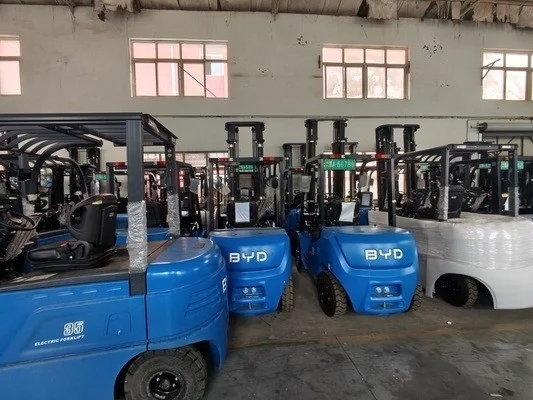
Zero emission forklift units typically carry higher upfront purchase costs than equivalent IC models, which leads many operations to delay integration even when long-term savings justify investment.
Mitigation: Explore available government incentives and grants designed to support low-emission industrial equipment upgrades. Many local and regional sustainability programs cover 30-50% of upfront equipment and infrastructure costs, cutting initial investment significantly. Structure purchase agreements with staggered delivery to spread costs across multiple budget cycles instead of paying for all units at once.
Hidden Maintenance Cost Surprises
Many operations assume zero emission forklift require less maintenance than IC units, which holds true overall, but unexpected hidden costs can arise from incorrect integration. For example, damage to battery systems from improper charging or facility layout issues leads to costly repairs not covered under standard warranties.
Mitigation: Include annual maintenance training for facility teams as part of your purchase agreement, and add a 10-15% contingency line item to your integration budget to cover unexpected minor upgrades or repairs. Track maintenance costs during the first year to identify recurring issues and adjust processes before problems lead to major breakdowns.
Frequently Asked Questions
Can small operations integrate just one or two zero emission forklift into an all-IC fleet?
Yes, small operations can successfully add one or two zero emission units without full fleet replacement. Start with low-utilization routes that fit standard charging schedules, such as daytime-only shifts, to test integration before expanding. This approach lets you work through infrastructure and workflow challenges on a small scale, avoiding large upfront investment.
Do zero emission forklift work alongside IC forklift in the same work zone?
Yes, zero emission and IC units operate safely in the same work zones as long as all drivers receive clear training on differences in vehicle handling. Zero emission units produce no on-site exhaust, so they can even work in indoor enclosed areas where IC units require additional ventilation, adding flexibility to your operations.
What is the biggest mistake operations make during integration?
The most common mistake is skipping a full pre-purchase facility audit. Many teams order new units based only on lift capacity requirements, without checking existing electrical capacity, aisle clearances, or floor load ratings. This leads to unexpected upgrade costs that can double your initial integration budget.
Which option works better: hydrogen or battery-powered zero emission forklift in mixed fleets?
The right choice depends on your facility’s specific conditions. Battery-powered models work well for single-shift operations with available space to host charging infrastructure. Hydrogen models offer faster refueling and similar weight profiles to IC units, making them ideal matches to multi-shift operations with limited space for battery storage.
Actionable Next Steps
Successful integration of zero emission forklift into existing IC fleets relies on careful pre-planning, not just purchasing new equipment. Start with a full facility audit to map existing infrastructure constraints, test integration with a small number of units before full deployment, and train your team early to avoid workflow disruptions. This approach lets you capture sustainability benefits of zero emission equipment while avoiding common costly pitfalls.