Comparing New vs Refurbished Industrial Forklift: Balancing Capital Investment and Operational Performance
News 12/10/2026
Core Differences Between New and Refurbished Industrial Forklift
When evaluating industrial forklift additions or replacements, two common options sit at opposite ends of the capital spectrum: brand new units from original equipment manufacturers, and refurbished units that undergo rebuilding or repairs to restore functionality. Each option delivers distinct advantages and carries unique limitations that directly impact daily operations and business cash flow.
Upfront Capital Requirements
New industrial forklift carry much higher upfront purchase costs. This requires larger initial capital outlay that can strain budgets growing small or mid-sized operations. Refurbished units typically cost 30% to 50% less than equivalent new models, freeing capital other business needs like facility upgrades or workforce expansion. This price difference comes from reuse existing structural components that remain in good working order.
Warranty and Reliability Guarantees
New industrial forklift include full factory warranty coverage spanning multiple years or thousands of operating hours. This coverage protects against manufacturing defects and includes direct support from the OEM. Refurbished units generally come with limited warranty that only covers key replaced components, with coverage periods ranging 30 days to 12 months depending on the seller. Reliability of refurbished units depends heavily on the quality of the refurbishment process: fully reconditioned units with all worn components replaced deliver consistent performance, while units that only receive cosmetic repairs carry higher breakdown risk.
Long Term Ownership Costs
New forklifts require minimal scheduled maintenance during the first several years of operation, outside routine service like oil changes and filter replacements. Refurbished units may require more frequent unscheduled maintenance if remaining original worn components are not replaced during refurbishment. This can add unexpected costs over the unit’s service life. Fully reconditioned refurbished units often see long term maintenance costs fall close to those of new units, making them a strong low-cost alternative.
Which Option Matches Your Operational Needs
Selection between new and refurbished industrial forklift depends on three core factors: your available capital, your operational intensity, and your in-house maintenance capacity.
Capital Budget Constraints
Businesses with large allocated capital budgets and need long term stable assets should prioritize new units. This aligns with high uptime requirements large scale manufacturing or distribution centers. New businesses, small operations, or companies looking expand fleet without major cash outlay should prioritize refurbished units. A common hypothetical application: a new 10,000 square foot eCommerce warehouse needs a second forklift to handle holiday order peaks. A fully refurbished unit meets this need without draining startup capital reserved to cover inventory and marketing costs.
Operational Intensity
High intensity operations running multiple daily shifts carrying heavy loads require consistent maximum uptime. New industrial forklift deliver this reliability with full OEM support, reducing unplanned downtime that cuts production output. Low intensity operations using the forklift only a few hours weekly, supporting occasional load movement, can easily meet needs with a refurbished unit. Temporary work sites or short term projects also fit well with refurbished units, as you avoid sinking capital into assets you will no longer need after project completion.
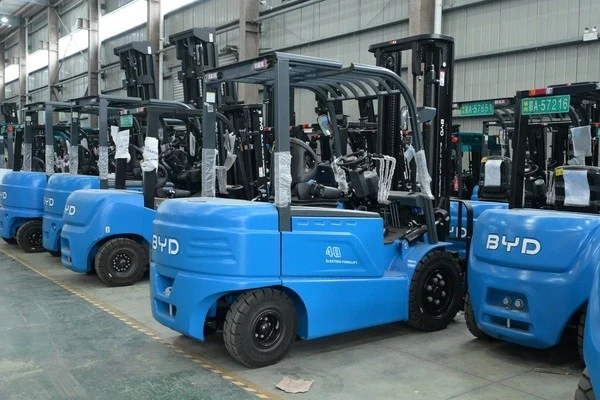
In-House Maintenance Capacity
Operations without dedicated on-site maintenance teams benefit from new forklifts, as any issues fall under OEM warranty and support. Businesses with experienced in-house material handling maintenance teams can manage the higher potential maintenance needs of refurbished units, capturing the upfront cost savings without sacrificing operational continuity.
Frequently Asked Questions
Are Refurbished Industrial Forklifts Less Reliable Than New Units?
Not automatically. Reliability ties directly to the quality of the refurbishment process. Units that undergo full inspection, worn component replacement, and load testing deliver performance nearly on par with new units. Units that only receive cosmetic repairs without addressing internal wear carry much higher risk of unexpected breakdowns.
What Types Operations Fit Refurbished Industrial Forklifts Best?
Refurbished units fit seasonal peak operations, temporary fleet expansions, small businesses with limited startup capital, and low-frequency material handling tasks. They do not suit 24/7 high intensity core production operations that require 100% maximum uptime to avoid costly production delays.
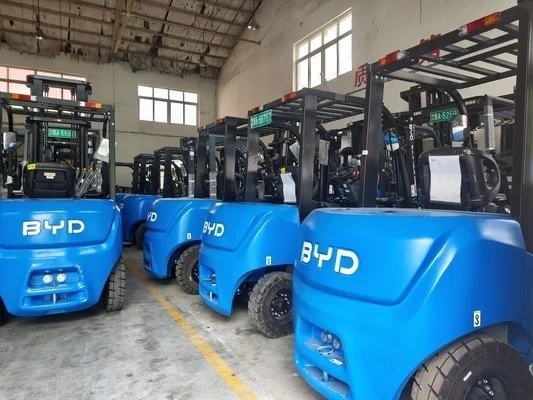
Do Refurbished Industrial Forklifts Hold Their Value Over Time?
Like any capital equipment, value depreciates over time. Refurbished units depreciate more slowly than new units, since most depreciation already occurred before the refurbishment process. This makes them a good option if you plan to sell the unit after several years of use.
Balancing capital investment and operational performance does not require choosing one option across all your fleet needs. Many operations mix new units assigned core high-intensity work, and refurbished units used auxiliary low-frequency tasks. This approach lets you capture cost savings while maintaining the uptime your highest priority operations require. Always inspect any refurbished unit and review its refurbishment history and warranty terms before completing your purchase.