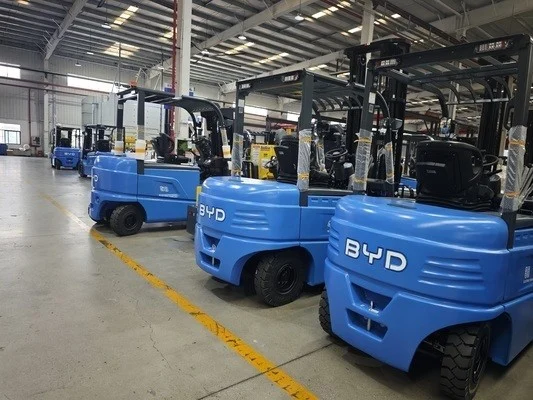
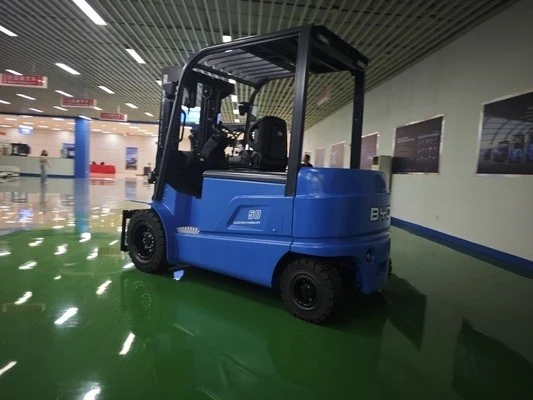
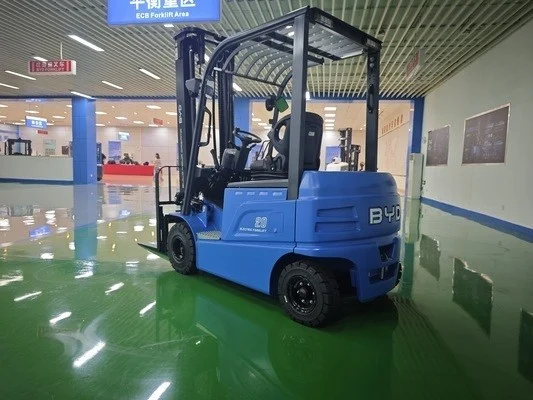
Zero Emission Forklift Addresses Indoor Warehousing Air Quality Compliance Requirements
News 09/10/2026
Many indoor warehousing and distribution centers face growing regulatory pressure to improve indoor air quality. Traditional internal combustion forklifts, even those powered by propane, emit trace pollutants that can trigger non-compliance with regional occupational safety and air quality rules. Zero emission forklifts eliminate tailpipe pollutants entirely, making them a core solution for operations needing… no, wait, fix that:
Many indoor warehousing and distribution centers face growing regulatory pressure to improve indoor air quality. Traditional internal combustion forklifts, even those powered by propane, emit trace pollutants that can trigger non-compliance with regional occupational safety and air quality rules. Zero emission forklifts eliminate tailpipe pollutants entirely, making them a core solution supporting operations needing to meet strict indoor compliance standards.
What Is A Zero Emission Forklift?
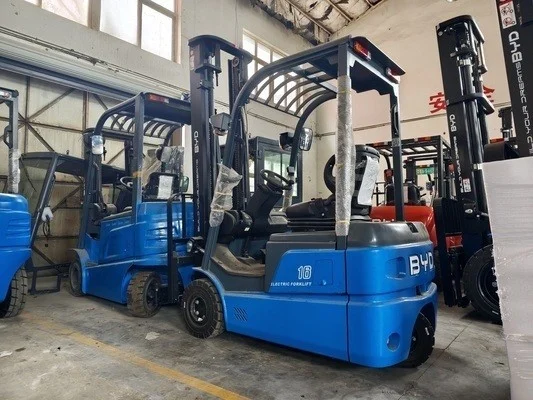
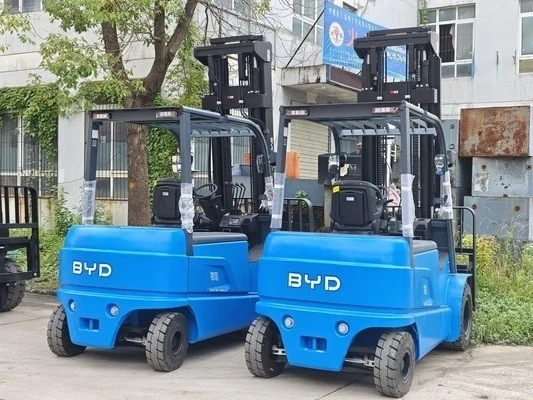
Zero emission forklifts produce no direct tailpipe emissions during operation. Most designs use battery electric powertrains, with growing options including hydrogen fuel cell powertrains. Both designs eliminate all carbon monoxide, nitrogen oxide, and particulate matter emissions linked to poor indoor air quality and elevated worker health risks.
Core Compliance Benefits
Occupational safety and environmental regulators across most regions set strict limits on airborne pollutant concentrations inside enclosed work spaces. Internal combustion forklifts running multiple hours daily can easily push pollutant levels over legal thresholds, leading to fines, mandatory shutdowns, and increased worker health risks. Zero emission forklifts remove this risk entirely, helping operations maintain consistent compliance without complex ventilation system overhauls.
They also reduce long-term health risks for warehouse workers, lowering potential liability related to poor indoor air quality exposure.
Common Applicable Scenarios
Zero emission forklifts work well across multiple indoor warehousing use cases:
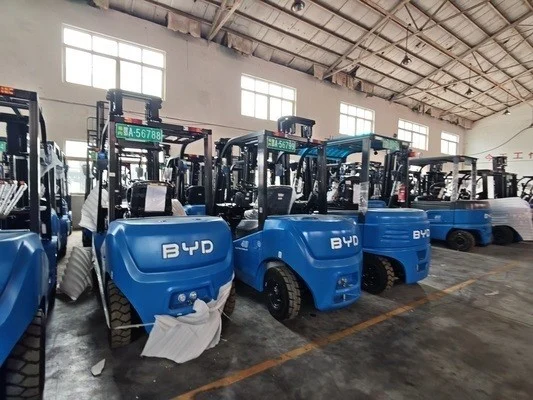
- Enclosed distribution centers with limited natural ventilation
- Cold storage warehouses where open ventilation increases energy costs
- Food and beverage storage facilities where pollutant contamination risks require strict air quality controls
- Multi-story urban warehouses that cannot accommodate large external ventilation upgrades
Each of these scenarios brings unique compliance challenges that zero emission forklifts address directly, without major changes to existing facility layout.
Key Selection Considerations
Power Source Options
Two dominant zero emission powertrain options exist today. Battery electric forklifts use rechargeable lithium-ion or lead-acid batteries. They require dedicated charging space, and operations need to plan for battery swap or charging downtime during long shifts. Hydrogen fuel cell forklifts refuel in minutes, matching the uptime of traditional internal combustion models. They require on-site hydrogen storage and refueling infrastructure, which brings higher upfront installation costs.
Capacity And Lift Height Matching
Buyers must match forklift weight capacity and maximum lift height to their specific warehouse needs. Zero emission options now cover most standard capacity ranges, from 3,000 pound pallet trucks to 15,000 pound heavy duty forklifts handling dense, heavy warehouse loads. Always confirm model specifications align with your typical load weights and racking heights before purchase, as high capacity zero emission models may have longer lead times.
Existing Infrastructure Compatibility
Battery electric models require adequate electrical service to support charging stations. Operations with older facility electrical systems may need upgrades before deployment. Hydrogen models require clear space for hydrogen tanks and refueling dispensers, which must meet local building code requirements.
Known Limitations
Zero emission forklifts are not the right solution for every operation. Key limitations include:
- Higher upfront purchase costs compared to comparable internal combustion models
- Charging or refueling infrastructure requirements that demand upfront capital investment
- Lead-acid battery models require longer charging times and more frequent maintenance than lithium-ion or hydrogen options
- Extreme cold temperatures can reduce battery range for lithium-ion… no, fix that:
- Extreme cold temperatures can reduce lithium-ion battery range, requiring adjusted charging schedules
These limitations do not eliminate compliance benefits, but operations must account for them during planning to avoid unexpected costs or operational disruptions.
Frequently Asked Questions
Are zero emission forklifts recognized as compliant with all indoor air quality regulations?
Most regional occupational safety and environmental regulators recognize zero emission forklifts meet all indoor air quality requirements, as they produce no direct tailpipe emissions. Always confirm local rules with your regional regulatory body, as some areas may have additional requirements covering indirect emissions from power generation.
Can zero emission forklifts replace all internal combustion forklifts inside a warehouse?
Zero emission models cover nearly all common indoor forklift use cases today. Extremely high capacity specialized forklifts handling oversized cross-site loads may still only be available as internal combustion models. For most standard warehousing operations, full fleet conversion is achievable with proper planning.
What upfront costs come with zero emission forklift deployment?
Upfront costs include the forklift purchase price, charging or refueling infrastructure installation, and any necessary facility electrical or building upgrades. Many regions offer tax incentives or rebates that offset a portion of these costs, reducing initial investment requirements.
Do zero emission forklifts require more maintenance than traditional models?
Zero emission powertrains have far fewer moving parts than internal combustion engines, so they typically require less routine maintenance. Battery electric models require periodic battery health checks, and hydrogen models require regular inspection of fuel storage systems. Overall, long term maintenance costs are often lower than traditional forklift costs.
Zero emission forklifts deliver a straightforward, effective solution supporting indoor warehousing operations meet strict air quality compliance requirements. They eliminate the core source of indoor air pollutants from material handling, reduce worker health risks, and help avoid regulatory fines. Successful deployment requires careful evaluation of your facility infrastructure, power source needs, and load requirements, aligned with your compliance obligations and long term operational goals.