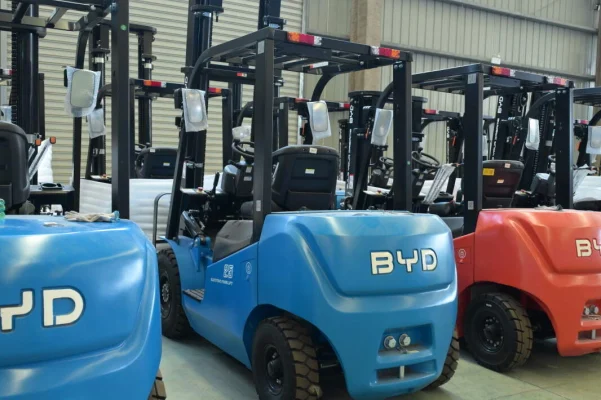
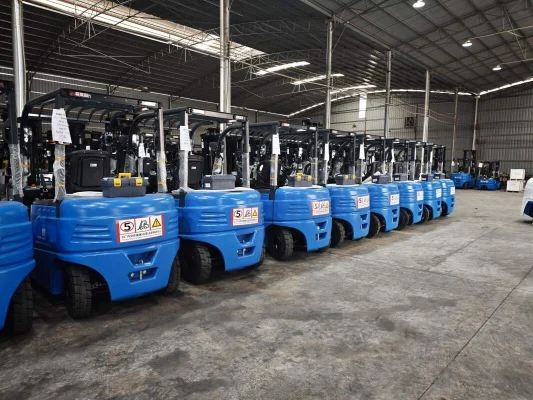
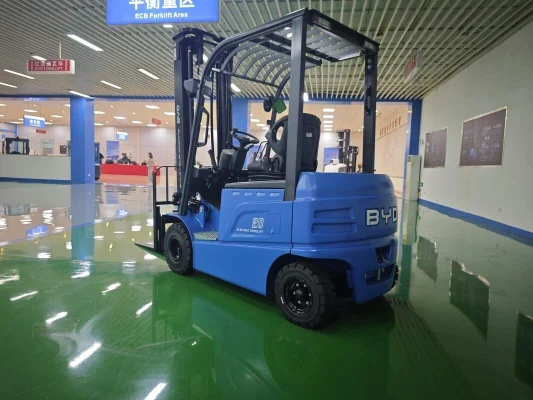
Zero Emission Forklift Charging Schedules: Matching Recharge Windows to Four-Wheel Counterbalance Duty Cycles
News 22/10/2026
Zero emission forklifts rely on consistent, well-aligned charging schedules maintain operational continuity. This guide focuses on lithium-powered four-wheel counterbalance electric forklifts, the default model within our product range, and breaks down actionable steps match recharge windows your actual duty cycles.
Key Factors Aligning Recharge Windows With Duty Cycles
Your duty cycle describes your daily operational pattern, including work shift length, average load weight, total operational hours and regular break times. Each site has unique patterns, so generic schedules rarely deliver optimal results. Three core factors shape most scheduling decisions:
Daily Shift Structure
Single shift operations typically run 8 to 10 consecutive hours per day. Most operations complete all work within one shift, so full overnight charging after work ends fits this pattern perfectly. No mid-shift charging becomes necessary, which eliminates any disruption work flow.
Two shift operations split daily work into two separate blocks, usually morning and afternoon. A 30 to 60 minute lunch break between shifts creates natural window top up battery power. This top up extends battery life through the second shift, so overnight full charging remains sufficient each day.
Continuous multi-shift operations run 24 hours per day with only short breaks between operator rotations. This pattern requires scheduled charging rotation, usually with a spare battery, or pre-planned short charging windows during off-peak work periods. All plans must align charging with periods no work requires forklift operation.
Battery Capacity And Work Intensity
Higher work intensity, including heavier average loads and more constant movement, drains battery power faster. Your battery capacity must match your average daily energy consumption. If your battery capacity falls below your daily needs, you will face unexpected power outages mid-shift. Always confirm actual usable capacity under your typical operating conditions with your supplier before finalizing your purchase.
Ambient Temperature Effects
Extreme high or low ambient temperatures alter lithium battery charging efficiency and available capacity. Colder environments slow chemical reactions inside batteries, which reduces total available power and extends required charging time. Hot environments increase heat buildup during charging, which requires extra cool down time before charging begins. Always confirm approved charging temperature ranges from the vehicle manufacturer.
Configuration Check Table And Pre-Purchase Checklist
The table below outlines common duty cycle patterns, recommended charging approaches, and required checks you must complete with your supplier:
| Duty Cycle Type | Recommended Charging Approach | Required Supplier Checks | Potential Risks |
|---|---|---|---|
| Single 8-hour shift, light to medium load | Full charge overnight after shift ends | Actual full charge duration at your site input voltage; minimum charging temperature requirement | Under-sized batteries leave insufficient power at shift end |
| Two 8-hour shifts, medium daily load | Top up charge during lunch break; full charge overnight | Opportunity charging compatibility; BMS thermal management capabilities | Uncontrolled opportunity charging reduces long-term battery health |
| Continuous multi-shift operation, heavy load | Rotation charging with spare battery; 1-2 hour charging windows during off-peak breaks | Battery swap system compatibility; maximum fast charging rate | Incompatible fast charging accelerates battery degradation |
Before you finalize your order, complete these steps confirm your charging schedule fits your site:
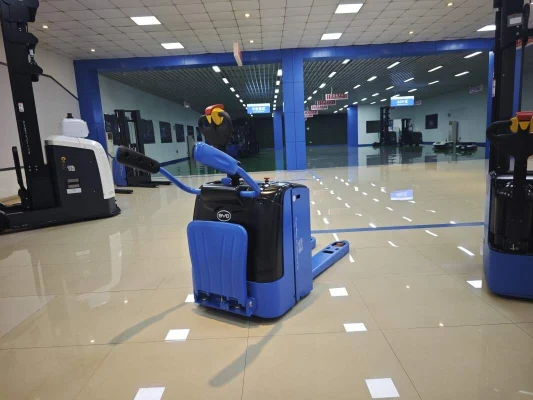
- Document your average daily operational hours, peak load volumes, and typical ambient temperature your charging location
- Confirm BMS features that protect battery during charging under your site conditions
- Verify charging equipment compatibility between your site power supply and your forklift
- Align your planned charging windows with your site regular down time avoid work interruption
Frequently Asked Questions
How Do I Adjust Charging Schedules During Peak Operational Periods?
Peak operational periods demand longer work hours and heavier daily loads. You can add short top-up charging during any planned work breaks to extend available power. Never force charging into already tight work windows, as this increases risk unexpected operational interruption. Always confirm your battery tolerates frequent top-up charging with your supplier before adjusting your permanent schedule.
What Issues Come From Misaligned Charging Windows And Duty Cycles?
Misalignment creates two primary problems. First, you run out battery power mid-shift, which stops all work and delays critical tasks. Second, frequent improper charging, including too many quick charges not matched to battery capacity, accelerates battery degradation and increases long-term replacement costs.
Can I Charge My Zero Emission Four-Wheel Counterbalance Electric Forklift Outdoors?
Outdoor charging eligibility depends entirely on manufacturer specifications. Most lithium battery-powered four-wheel counterbalance electric forklifts support outdoor charging within approved temperature ranges. You must protect charging connections from moisture, dust and extreme temperature swings. Confirm weather resistance ratings your charging system and battery from your supplier before setting up outdoor charging.
Does Lithium Battery Chemistry Change Charging Schedule Requirements?
Yes, lithium battery designs differ from older lead acid alternatives. Lithium batteries accept opportunity charging without significant negative impacts when paired with properly designed BMS systems. You still need align charging windows your duty cycle, because even high-quality lithium batteries cannot exceed their maximum daily energy output limits. Always follow specific charging guidance from your vehicle manufacturer.
Many industrial sites gain clear benefits from zero emission operation, but reliable operation depends on well-matched charging schedules and duty cycles. Always base your scheduling decisions on your actual site conditions, and confirm all capabilities with your supplier before finalizing your purchase. If you operate a BYD four-wheel counterbalance electric forklift, share your site operational details with our team get customized guidance matching your needs.