Design Features Improving Shared Space Pedestrian Safety Around Warehouse Electric Forklifts
News 17/10/2026
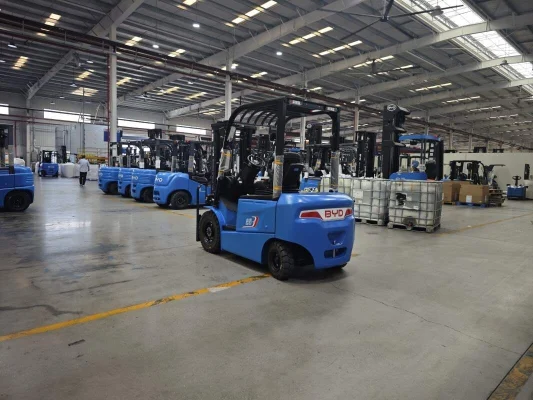
Warehouse operations regularly overlap pedestrian foot traffic and electric forklift movement in shared loading zones, picking aisles, and break area access routes. Poorly designed equipment increases collision risk, so targeted design choices directly reduce incidents and keep work zones safer.
Core Design Features That Improve Pedestrian Safety
360-Degree Visibility Systems
Traditional forklift designs often create large blind spots around the mast and rear of the unit, hiding pedestrians from driver view. Modern design improvements include slim mast profiles, repositioned hydraulic cylinders, and curved overhead guard structures that cut down blocked vision. This design works particularly well in high-traffic picking aisles where pedestrians restock shelves alongside moving forklifts. One key limitation: additional mast design changes can increase overall mast weight, which may reduce maximum load capacity at full lift height. Always confirm updated load ratings with your supplier before finalizing your order.
Proximity Detection and Alert Systems
These systems use sensors or connected wearable tags to identify pedestrians within set distance of the forklift. They trigger in-cab alerts to notify drivers, and many higher-end models automatically slow or stop the unit when pedestrians come too close. Many entry-level systems only cover front and rear zones, leaving side blind spots unmonitored. Always confirm full 360-degree detection coverage when evaluating this feature. Another consideration: systems can trigger false alerts in extremely crowded aisles, so adjustable sensitivity is a useful optional feature worth adding.
Low-Speed Operation Modes
Shared spaces with frequent pedestrian access require slower travel to reduce stopping distance and collision severity. Modern design includes built-in speed limiting that can activate automatically when units enter marked pedestrian zones. This feature greatly reduces collision impact compared to unregulated full-speed operation. A common limitation: activating permanent low speed across an entire facility reduces overall operational throughput. Zone-based speed control, which only limits speed in high-traffic pedestrian areas, addresses this issue and works well for most large warehouse operations.
Critical Procurement Checks You Must Complete
Before accepting delivery of any new electric forklift, complete these key checks to confirm safety features work as expected:
- Confirm safety feature integration with your existing warehouse infrastructure: proximity detection systems work with most modern pedestrian wearable tags, but some older systems require proprietary hardware that adds extra cost.
- Request on-site test drives in your own aisle layouts to verify blind spot reduction matches supplier claims. What looks good in a supplier test yard may not perform the same way in your facility’s actual layout.
- Verify alignment with your local workplace safety regulations: different regions set different requirements for audible and visual alert levels on industrial moving equipment.
- Confirm regular maintenance requirements for all electronic safety components: sensors and camera lenses need frequent cleaning to work properly in dusty or high-particle warehouse environments.
Most suppliers list advanced safety features as optional upgrades, not standard equipment. Always clearly separate included standard features from paid add-ons during negotiation to avoid unexpected budget overruns.
Comparison of Common Safety Configurations
| Configuration Type | Core Risk Addressed | Standard vs Optional | What To Confirm With Suppliers |
|---|---|---|---|
| 360-Degree Slim Mast | Driver blind spot collisions | Standard on most new models | Maximum load rating at full lift height after design changes |
| 360-Degree Proximity Alerts | Hidden pedestrian detection | Usually optional | Detection range across all sides, false alert adjustment options |
| Automatic Zone Speed Limiting | High-speed collision severity | Optional on most entry-level models | Custom zone programming capability, manual override access |
| External Audible/Visual Alerts | Pedestrian unaware of approaching equipment | Standard on most models | Adjustable volume, waterproof rating needed in cold or wet warehouse areas |
Frequently Asked Questions
Do all electric forklifts used in warehouses include these safety features?
No. Entry-level models typically include only basic external alerts as standard. Most advanced safety features come as optional add-ons, so you need to explicitly request and verify each feature during procurement. Older second-hand units may not have any electronic safety systems installed at all, so retrofitting options should be evaluated if you purchase used equipment.
Can these design features eliminate all collision risk in shared spaces?
No design feature can eliminate all collision risk. These changes reduce collision likelihood and lower impact severity when incidents occur. Facilities still need clearly marked pedestrian walkways, regular safety training, and scheduled equipment inspections to maintain consistent safety standards across all work zones.
Are zone-based speed controls difficult to set up?
Installation and setup difficulty depends on your warehouse layout and the forklift model. Most modern electric units support Bluetooth or GPS zone programming that requires no major physical modifications to the equipment. You need to confirm the supplier includes on-site programming to match your facility’s specific pedestrian zones before completing your purchase.
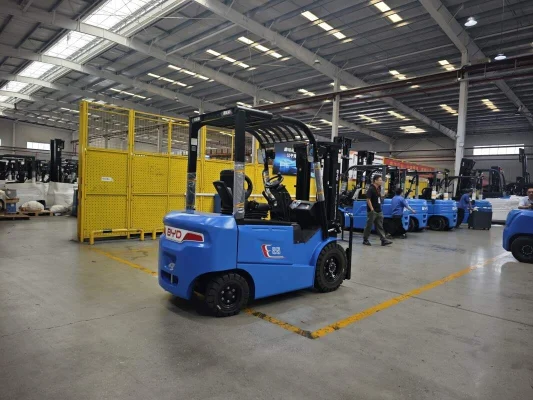
When selecting electric forklifts used in shared warehouse spaces, prioritize design features that directly address your facility’s specific traffic patterns. Small, high-traffic facilities benefit more from full proximity detection and automatic speed control, while larger facilities with clearly separated walkways may only need basic visibility improvements. Always complete on-site verification of safety performance before final acceptance, and clarify which features are included in the base price to avoid unexpected extra costs.