Key Design and Component Factors Impacting Long Term Operational Reliability of Forklift Trucks
News 07/10/2026
When operating a forklift fleet, long term reliability directly impacts operational continuity, total ownership cost and workplace safety. This guide explores core design and component choices that determine how well a forklift holds up under repeated daily use, across different working environments.
Core Chassis and Frame Design Factors
The chassis forms the base of any forklift, so its design directly influences long term durability. Poor frame design leads to premature stress cracking, misaligned mast components and accelerated wear on moving parts.
Material Grade and Construction Method
High strength steel frames resist bending and cracking better than lower grade alternatives, especially under heavy load cycles. Weld quality also plays a critical role: consistent, full penetration welds eliminate weak points that develop into fatigue damage over years of use. Modular frame designs simplify component replacement when damage occurs, extending the service life of the entire unit.
Load Distribution Engineering
Well engineered frames distribute dynamic load stress evenly across all structural members. Designs that concentrate stress around the mast mounting point or axle hubs will develop premature wear, even when operators stay within rated load limits. This factor becomes even more critical among high capacity lift trucks that regularly handle loads near their maximum rating.
Key Powertrain Component Reliability Factors
The powertrain handles constant stress during every shift, so component selection and design directly determine long term operational uptime.
Transmission Design
Hydrostatic transmissions have fewer moving parts than traditional torque converter models, which reduces potential points of failure over time. Frequent stop-start operations common in warehouses benefit from properly sealed transmission housings that keep out dust and moisture that cause internal component wear.
Battery System Design (Electric Models)
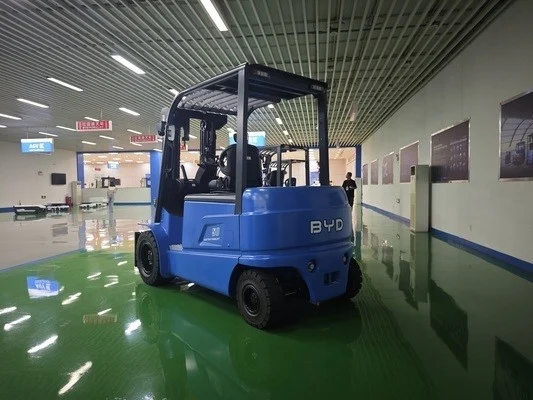
Within electric forklift trucks, battery enclosure design and thermal management directly impact pack lifespan. Enclosures that protect cells from vibration and temperature swings prevent premature capacity loss. Integrated cell balancing systems also extend usable pack life by reducing uneven charge across individual cells.
Engine Components (Internal Combustion Models)
Air filtration design is a major, often overlooked, factor among internal combustion forklifts operating in dusty outdoor or construction sites. Poor filtration allows abrasive particles to enter the cylinder, causing rapid engine wear and premature failure. Heavy duty cooling systems also prevent overheating during continuous operation, extending engine service life.
Mast and Lift Assembly Factors
The mast assembly experiences repeated cyclic load every time the forklift lifts or lowers a load, making fatigue wear a common long term issue.
Chain quality and tensioning system design play critical roles. High grade steel lift chains resist stretching better than lower quality alternatives, reducing the need for frequent adjustments and preventing uneven wear on mast rails. Sealed roller bearings in mast carriages eliminate contaminants that cause binding and premature wear.
Hydraulic system design also impacts reliability. High quality hydraulic hoses resistant to abrasion and oil breakdown prevent unexpected leaks. Proper filtration within the hydraulic system keeps particulate matter from damaging pumps and valves, reducing unplanned maintenance needs.
Application-Specific Considerations
Reliability factors change based on the working environment the forklift operates within:
- Cold storage environments: Sealed components and special low-viscosity hydraulic fluids prevent brittling and binding in sub-zero temperatures. Designs without exposed wiring reduce corrosion from condensation.
- Outdoor rough terrain: Reinforced axles, sealed electrical connections and corrosion-resistant frame coatings prevent premature degradation from exposure to rain, dirt and temperature extremes.
- High-frequency warehouse operations: Lighter weight components with fatigue-resistant design support multiple shifts per day without accelerated wear.
No single design works best across all applications. Matching design and component choices to your specific operating conditions is the most effective way to maximize long term reliability.
Frequently Asked Questions
Which component failure causes most unplanned forklift downtime?
Hydraulic system leaks and battery degradation top the list of common causes of unplanned downtime. Both issues relate directly to original design and component selection, though poor maintenance also accelerates damage.
Can design choices offset poor maintenance practices?
Higher quality components and robust design extend service life even with average maintenance, but no design can eliminate the need for regular inspection, lubrication and part replacement. Reliability depends on both good initial design and consistent ongoing maintenance.
Do electric forklift trucks have better long term reliability than internal combustion models?
Electric models have fewer moving powertrain components, which reduces potential points of failure when operated within intended conditions. Internal combustion models require more frequent routine maintenance, but they often handle harsh outdoor environments better than electric units when properly designed to handle that use case.
How does initial purchase price relate to long term reliability?
Higher initial price often corresponds to higher quality components and more robust engineering, but this is not always the case. Buyers should prioritize specific component choices and design features matched to their use case, rather than relying solely on price as an indicator of long term reliability.
Actionable Conclusion
Long term operational reliability of forklift trucks starts with design and component selection made during the purchasing process. Prioritize high quality structural materials, sealed components matched to your working environment, and proven powertrain designs that fit your operational intensity. Pair well designed equipment with a consistent routine maintenance schedule to maximize service life and minimize unplanned downtime. When evaluating options, always cross reference design features with the specific conditions your fleet will face to make the best choice.