Exploring What Types of Forklifts Are There and Their Distinct Operational Capabilities Across Common Industrial Workflows
News 06/10/2026
Many operations rely on forklifts to move heavy loads across warehouses, construction sites, shipping yards and other workspaces. Not all forklifts share the same design or capabilities, so matching the right unit to your workflow prevents safety issues, reduces operational waste and improves overall productivity. This guide covers the most common forklift categories, their distinct traits, ideal use cases and key limitations.
Core Forklift Categories and Their Operational Capabilities
Counterbalance Forklifts
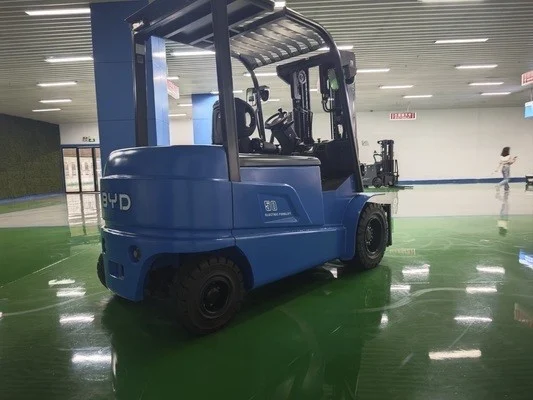
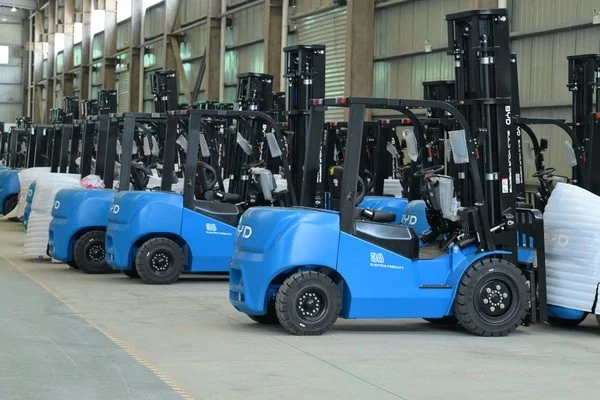
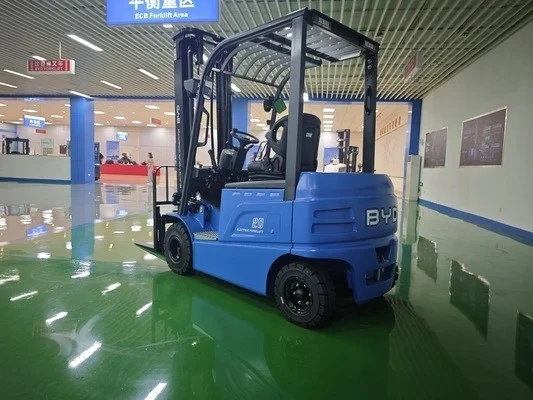
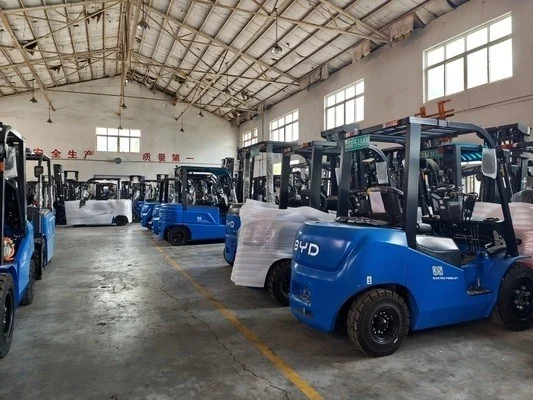
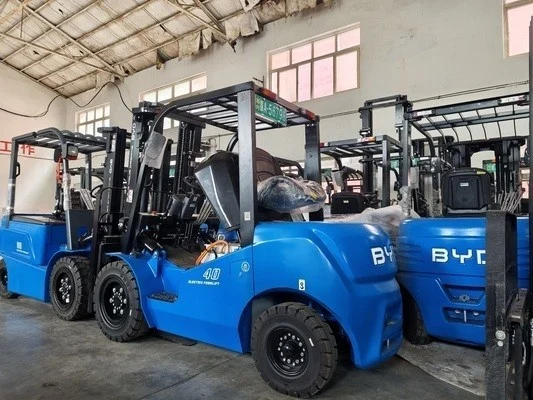
Counterbalance forklifts rank among the most widely used units in industrial settings. Their design places heavy counterweight at the rear to offset load weight at the front, so no extended support legs are required. This design lets operators maneuver in compact loading docks and standard warehouse aisles. Most counterbalance units run on electric batteries or internal combustion engines, with options suited to indoor or outdoor use. Electric counterbalance models work best indoors in warehouses with smooth, paved surfaces, while internal combustion variants handle uneven outdoor ground and heavier load capacities. Common capabilities include lifting loads up to 10,000 pounds, with some heavy-duty models reaching higher thresholds. Key limitations: They require more turning space than reach trucks, so they do not perform well in very narrow aisle warehouses.
Reach Forklifts
Reach forklifts are built specifically to serve high rack storage in narrow aisle warehouses. Their extended mast lets operators reach load heights far beyond standard counterbalance models, with many units reaching heights over 30 feet. The name comes from the ability of forks to “reach” into racking to retrieve or place pallets. Most reach forklifts use electric power, so they produce no exhaust fumes, making them perfectly suited to enclosed indoor spaces. Their compact design cuts turning radius requirements, letting operations maximize storage space by using narrower aisles. Key limitations: They do not perform well on uneven outdoor ground, and they cannot handle the same extreme load weights as heavy-duty counterbalance or rough terrain models.
Pallet Jacks
Pallet jacks, also called pallet trucks, are the simplest low-capacity option designed to move palletized loads short distances. They have a small footprint, low upfront cost and require minimal training to operate. Manual pallet jacks rely on operator physical force to lift and move loads, while electric models use powered lifting and driving to handle heavier loads. Common use cases include unloading delivery trucks, moving pallets across retail stock rooms and transporting loads short distances within warehouse zones. Key limitations: They cannot lift loads to high rack heights, so they only work with ground-level or low-level transport. Most units handle maximum loads between 3,000 and 5,000 pounds, with heavy-duty variants reaching slightly higher.
Rough Terrain Forklifts
Rough terrain forklifts are purpose-built to serve outdoor work sites with uneven, unpaved surfaces. They feature large, rugged tires, high ground clearance and powerful internal combustion engines to handle mud, gravel, slopes and uneven ground common at construction sites, lumber yards and new development projects. Many models have telescopic masts that can extend forward and upward, making them useful when lifting building materials to elevated work zones. Key limitations: Their large size and rough tread make them unsuited to indoor warehouse use on smooth finished floors, as they can damage surfaces and struggle to maneuver in compact spaces. They also require more maintenance than electric indoor units due to their engine and exposure to harsh outdoor conditions.
Telehandlers
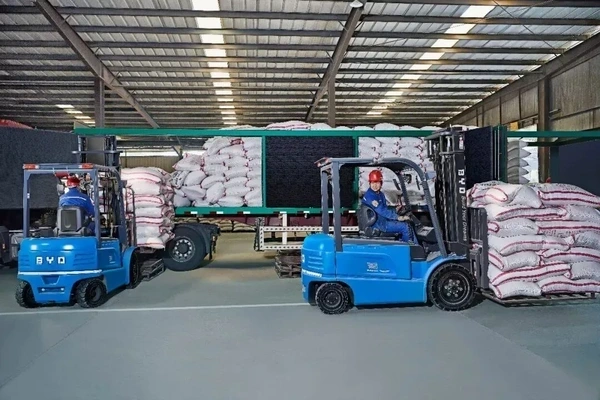
Telehandlers, sometimes called telescopic handlers, combine forklift functionality with crane-like flexibility. Their long, extendable boom can attach to multiple tools beyond standard forks, including buckets, lift baskets and lifting hooks. This versatility makes them popular across construction sites, agricultural operations and large industrial projects. They can lift loads to heights up to 60 feet or more, depending on the model, and reach forward to place loads over obstacles. Key limitations: Their maximum load capacity drops as the boom extends further out, so operators must follow load chart guidelines closely to avoid tip-overs. They also require more advanced operator training than standard counterbalance forklifts.
Stand-Up Rider Forklifts
Stand-up rider forklifts are designed to support high-speed order picking and transport tasks across large warehouses. Operators stand in the compact cab, which lets them quickly get on and off the unit multiple times per hour during picking operations. Their small size lets them maneuver easily in narrow aisles and congested work zones. Key limitations: They do not handle very heavy loads well, and they are not intended to support long-distance travel across extremely large facilities, where sit-down rider models offer more operator comfort.
Key Selection Criteria To Match Forklift Type To Your Workflow
When choosing a forklift, you need to evaluate three core factors to find the right fit:
- Workspace environment: Indoor operations with smooth floors can use low-emission electric models, while outdoor uneven ground requires rugged internal combustion units. Narrow aisle storage needs compact designs like reach trucks, while open yards can accommodate larger rough terrain or counterbalance models.
- Load requirements: Consider your typical load weight and maximum lift height. Low-level short-distance transport works with pallet jacks, while high rack storage needs reach trucks, and heavy construction loads need rough terrain or telehandler units.
- Operational frequency: High-volume daily use requires models with long battery life or easy refueling access, while occasional use can justify lower-cost simpler units like manual pallet jacks.
Always account for each model’s inherent limitations. As an example, using a pallet jack to lift loads to 20-foot rack heights creates major safety hazards and operational delays, just as using an electric reach truck on a muddy construction site leads to premature wear and unexpected downtime.
Frequently Asked Questions
What is the most common forklift type used across warehouses?
Counterbalance forklifts and reach trucks are the two most common types found in standard warehouse operations. Counterbalance models work well with general loading, unloading and transport tasks, while reach trucks handle high-density narrow aisle rack storage. The right choice depends on your warehouse layout and storage configuration.
Can any forklift operate across both indoor and outdoor spaces?
Only specific dual-purpose models perform well in both settings. Most electric forklifts built to serve indoor use lack the rugged tires and ground clearance needed by uneven outdoor ground, and most internal combustion outdoor models produce exhaust fumes unsafe inside enclosed indoor spaces. Some internal combustion counterbalance models with appropriate emission controls can work across both settings, but you must always verify ventilation and surface compatibility before use.
What type of forklift works best with small operations?
Small operations with limited storage and low-volume load transport often get the most value from manual or electric pallet jacks. They have low upfront cost, require minimal storage space and need only basic operator training. If you need to lift loads to higher rack heights, a compact stand-up counterbalance or reach model fits most small warehouse layouts.
Do all forklift types need certified operator training?
Most global and regional workplace safety regulations mandate certified training of any operator moving powered industrial equipment, including all powered forklift types. Even non-powered manual pallet jacks need basic safety training to prevent injury and property damage in most jurisdictions. Always check your local regulatory requirements before allowing any team member to operate a forklift.
Final Considerations When Selecting Your Forklift
Matching the right forklift type to your workflow improves safety, cuts operational costs and boosts overall productivity. Every category has distinct strengths and limitations, so you must always align design traits with your specific workspace, load and operational requirements. Before purchasing or renting any unit, test it inside your actual work environment to confirm it meets your space, maneuverability and capacity needs.