Ergonomic Design Features of BYD counterbalance forklift That Influence Long-Term Operator Productivity
News 17/10/2026
BYD counterbalance forklift models integrate multiple ergonomic design choices tailored to meet demands of long daily shifts in busy material handling operations. These design features directly impact operator fatigue, error rates and sustained output across months and years of use. This guide breaks down the most impactful ergonomic elements, explains their relevance to common operational contexts, and outlines actionable steps buyers can take to verify configurations during procurement.
Core Operator Environment Adjustments That Cut Cumulative Fatigue
Adjustable Control and Seat Configurations
Operators across different body types rely on customizable controls and seating to maintain neutral postures during long shifts. Cumulative strain from awkward postures builds over time, reducing daily output and increasing risk of work-related musculoskeletal issues. BYD counterbalance forklift designs offer adjustable seat positioning, tilt and lumbar support as core ergonomic elements. Most models also place hydraulic and driving controls within easy reach of seated operators, eliminating constant overreaching or twisting during operation.
How to verify during procurement: Prospective buyers should test adjustments across different operator body types representative of their team. Confirm all control positions stay within comfortable reach even when the seat moves fully forward or backward. Check that lumbar support adjustments lock securely to maintain position during rough operation over uneven ground.
Limitations: Not all adjustable features come standard on every entry-level BYD counterbalance forklift model. Some high-end adjustment options, such as air-suspended seats, count as optional upgrades requiring separate confirmation from suppliers.
Vibration Dampening and Cab Suspension
Continuous exposure to vibration from uneven warehouse floors, rough yard surfaces or unpaved loading areas causes whole-body fatigue that cuts productivity toward the end of shifts. Ergonomic designs address this issue through suspended cab mounting and vibration-absorbing materials under the seat and operator platform. These elements reduce the amount of vibration transferred to the operator’s body across full shift lengths.
Multi-shift operations with continuous running see the biggest gains from effective vibration dampening. Operators maintain steady focus and output instead of slowing down as fatigue builds through the day.
Procurement check: Test operation across surfaces matching your facility’s ground conditions. Ask your supplier to confirm the vibration dampening rating used in the specific model you evaluate, and cross-reference this rating against your operational shift length requirements.
Limitations: Vibration dampening performance drops slightly when operators carry maximum rated loads over extremely uneven terrain. Confirm specific model capabilities match your worst-case operating conditions before final purchase.
Visibility Enhancements That Reduce Preventable Errors
Poor visibility forces operators to slow down, reposition vehicles repeatedly, and increases risk of collisions with stock, facility infrastructure or other workers. These interruptions cut long-term productivity and add unplanned downtime from damage repairs. BYD counterbalance forklift ergonomic designs focus on expanding unobstructed visibility from the operator’s seat in multiple directions.
Clear Mast and Window Design
Narrow mast profiles and large, distortion-free front windows eliminate major blind spots when lifting and lowering loads. This design allows operators to place loads accurately on the first attempt, eliminating repeated adjustments that waste time across hundreds of daily cycles. Rear visibility also receives attention through curved rear window designs and strategically placed counterweight shaping that avoids blocking the operator’s view when reversing.
Procurement check: Sit in the operator’s seat and check visibility at common lifting heights, with an empty and loaded fork carriage. Confirm blind spots around the mast do not block views of fork tips when placing loads at standard working heights.
Limitations: Added roof reinforcements for hazardous operating environments can reduce overhead visibility slightly. Confirm any optional safety modifications do not create unexpected visibility issues that impact your specific operations.
Integrated Mirror and Camera Placement
Most BYD counterbalance forklift models include strategically positioned side and rear mirrors to expand visibility around blind spots. Optional integrated cameras add additional coverage for tight loading or high-traffic areas. These elements reduce the need for operators to twist their necks repeatedly to check blind spots, cutting cumulative neck strain over time.
Procurement check: Adjust all mirrors from the operator seat to confirm they lock into position securely and cover all required blind spots for your facility. Test optional camera displays to confirm readability in both bright outdoor light and dim indoor warehouse conditions.
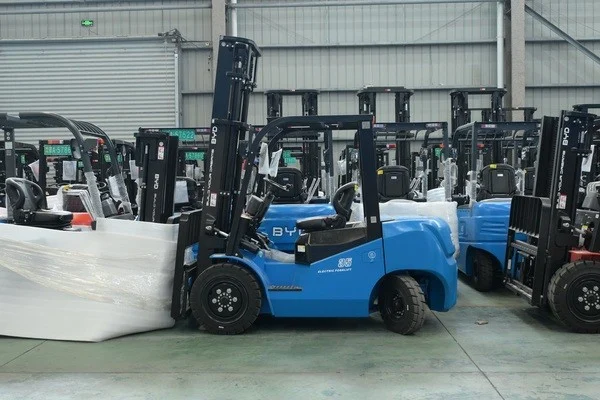
Entry, Exit and In-Cab Space Allocation
Counterbalance forklift operators often enter and exit their cabs dozens of times per shift in operations that involve frequent check-ins, loading checks and document handoffs. Poorly designed entry steps, grab handles and cab space increase risk of slips, trips and strain, cutting output over time.
BYD counterbalance forklift designs typically include three wide, non-slip entry steps positioned to keep three points of contact possible during entry and exit. Large, securely mounted grab handles provide stable support for operators when climbing in and out of the cab. Inside the cab, designers allocate enough space for operators to move freely without hitting their knees or elbows on control panels or door frames, even when wearing heavy cold-weather or safety gear.
Fewer slips and strain injuries reduce unplanned absences that disrupt operational output. Easier entry and exit also cut small amounts of wasted time across dozens of daily trips, adding up to meaningful productivity gains across a full year of operation.
Procurement check: Test entry and exit while wearing the same safety gear your operators use on site. Confirm steps have enough traction even when wet or muddy, and grab handles feel solid with no excessive movement. Check in-cab space to confirm operators can adjust their position comfortably without restricted movement.
Limitations: Narrow chassis models built for tight warehouse aisles have slightly reduced in-cab space compared to wide chassis units built for outdoor yard operations. Confirm cab dimensions match your operator size range before purchasing narrow chassis models.
Configuration Comparison and Procurement Checklist
| Ergonomic Feature | Standard Configuration | Optional Upgrade | Required Supplier Checks |
|---|---|---|---|
| Adjustable seat with lumbar support | Basic mechanical adjustment | Air-suspended seat with active lumbar | Confirm adjustment range matches your operator body size range |
| Cab vibration dampening | Suspended operator platform | Fully suspended cab mounting | Test performance across your facility’s actual ground conditions |
| Visibility aids | Full-size windows + side/rear mirrors | Integrated rear/360 camera system | Confirm display readability matches your facility lighting conditions |
| Cab climate control | Open cab with ventilation | Enclosed cab with heating/cooling | Confirm climate system output matches your site’s temperature extremes |
Buyers can prioritize optional upgrades based on their operational context. Operations with multi-shift schedules, long daily run times and operators working full-time roles see the biggest return from upgraded ergonomic features. Entry-level models with base configurations work well for low-frequency use, such as occasional loading and unloading at small facilities.
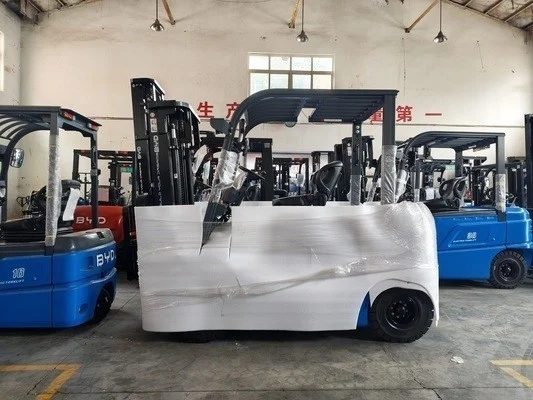
Before finalizing any purchase, compile a list of your site-specific requirements including average shift length, operator body size range, ground conditions, facility temperature range and aisle width. Share this list with your BYD authorized supplier to confirm the selected model meets all your ergonomic and operational needs. Conduct an on-site test of the specific model you intend to buy, with operators from your team testing all functions across conditions matching your daily work.
Frequently Asked Questions
Do all BYD counterbalance forklift models include the same ergonomic features?
No. Ergonomic feature sets vary across different load capacity classes, chassis sizes and model tiers. Base entry-level models include core ergonomic adjustments, while higher-tier models offer more advanced optional upgrades. Always confirm specific features included with the model you evaluate.
How do ergonomic design features impact long-term productivity?
Cumulative fatigue and strain reduce operator output over the course of each shift, and increase risk of unplanned absences from work-related injuries. Good ergonomic design lowers fatigue, reduces error rates and cuts unplanned downtime, leading to sustained higher output across the full service life of the forklift.
Can I retrofit ergonomic upgrades to an existing BYD counterbalance forklift?
Some minor upgrades such as new seat cushions or additional mirrors work with most existing models. Major upgrades such as fully suspended cabs or integrated camera systems generally require factory installation during initial production. Contact your authorized supplier to confirm which upgrades work with your existing unit.
Which ergonomic features deliver the biggest productivity gains?
The most impactful features match your specific operational context. Operations with long multi-shift runs see the biggest gains from good vibration dampening and adjustable seating. Operations with frequent load handling in tight spaces see bigger gains from enhanced visibility features. Prioritize features that address the most common pain points your operators report.