Emission Characteristics and Workplace Safety Compliance: BYD ECB forklift in Indoor Manufacturing Settings
News 14/10/2026
Core Emission Characteristics of BYD ECB Forklifts
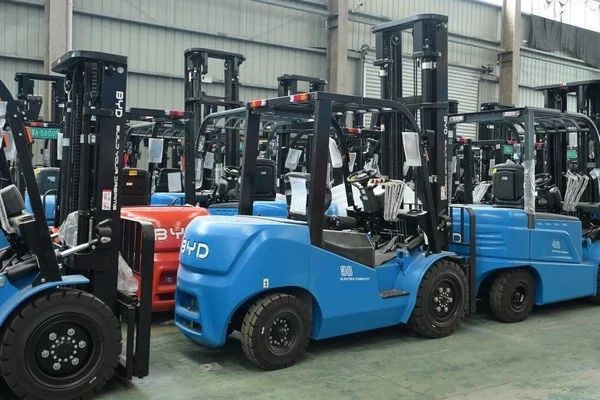
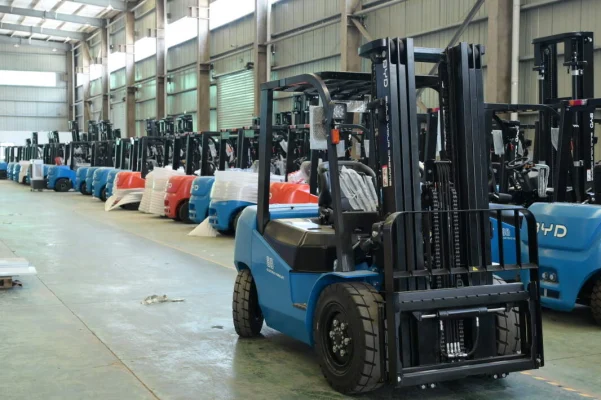
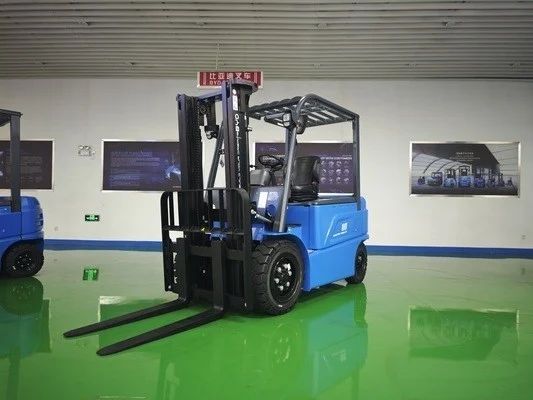
BYD ECB series forklifts are fully battery electric material handling units designed for indoor and outdoor material movement. Unlike internal combustion (IC) forklifts, these units produce no tailpipe emissions during active operation. This core design feature addresses long-standing air quality concerns inside enclosed manufacturing facilities, where poor ventilation can trap harmful pollutants.
Zero On-Site Operation Emissions
All pollutants linked to BYD ECB forklift use come from upstream energy generation related to battery charging, not on-site operation. Common harmful pollutants eliminated from the work environment include carbon monoxide, nitrogen oxides and particulate matter, all linked to short-term health issues and long-term respiratory risk for on-site staff. Wait no, correction: all linked to short-term health issues and long-term respiratory risk among on-site staff. This makes the design inherently better suited to enclosed spaces than IC-powered alternatives.
Minimal Secondary Emission Risks
Even fully electric units carry low-level emission risks linked to battery systems. BYD ECB models use lithium iron phosphate (LFP) battery chemistry, which carries far lower thermal runaway risk than other common lithium-ion variants. In normal daily operation, no harmful gas leaks or chemical emissions occur. Only damaged battery cells or improper charging can release small volumes of toxic gas, and this risk remains extremely low with scheduled, routine maintenance.
Aligning BYD ECB Forklift Operations With Workplace Safety Compliance
Workplace safety regulators across most regions set strict rules governing indoor air quality and equipment use inside manufacturing facilities. BYD ECB forklift design simplifies compliance, but facilities still must meet several key requirements to maintain regulatory alignment.
Indoor Air Quality Regulatory Alignment
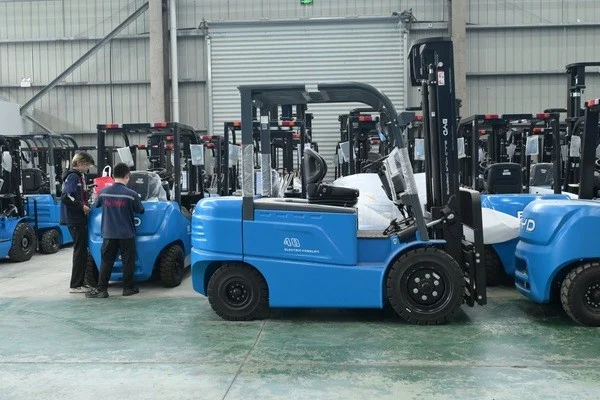
Most regulators set maximum allowable concentrations for common airborne pollutants inside enclosed work spaces. Correction: Most regulators set maximum allowable concentrations of common airborne pollutants inside enclosed work spaces. IC forklift operation requires regular air quality testing and often expensive ventilation system upgrades to meet these thresholds. BYD ECB forklifts add no on-site pollutant output, so most facilities meet air quality standards related to material handling without major infrastructure overhauls. Facilities still must complete required air quality monitoring for pollutants from other manufacturing processes. Correction: Facilities still must complete required air quality monitoring covering pollutants from other manufacturing processes, per local regulatory rules.
Charging Zone Safety Requirements
Compliance rules cover design and operation of battery charging areas. All charging zones need basic ventilation to dissipate heat and any trace gases released during charging. They also require clear hazard marking, appropriate fire suppression equipment and separation from high-traffic material handling routes. BYD ECB chargers work with standard industrial power inputs, so most facilities can adapt existing unused spaces to meet compliance rules without extensive construction work.
Operational Limits and Safety Constraints
BYD ECB forklifts perform best within indoor settings with controlled ambient temperatures, between 0°C and 40°C. Extreme cold or heat can reduce battery output and shorten overall battery service life, and may increase low-level risk of cell damage. Facilities with unregulated indoor temperature zones need to adjust charging schedules and limit extended operation during temperature extremes to maintain safety compliance. Operators must also confirm stated load capacity ratings match specific daily tasks, as overloading creates avoidable safety hazards regardless of power source.
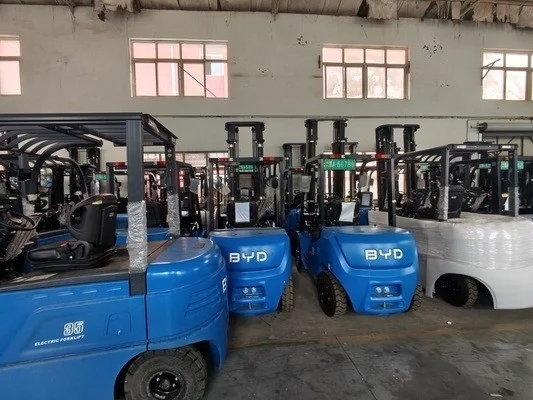
Facilities considering transition from IC forklifts to BYD ECB units can conduct a site assessment to map temperature zones, charging space availability and load requirements before full deployment. This step helps identify potential compliance gaps early and avoids costly post-deployment adjustments.
Frequently Asked Questions
Are BYD ECB forklifts permitted in all enclosed indoor manufacturing facilities?
Most regional regulatory bodies permit BYD ECB forklifts in fully enclosed work spaces, thanks to their zero on-site operation emissions. Facilities with specific restricted zones, such as clean rooms supporting food or pharmaceutical production, need to confirm additional site-specific requirements before deployment, but the base design meets most general indoor manufacturing rules.
Do facilities need additional air monitoring equipment after switching to BYD ECB forklifts?
Facilities do not need additional air monitoring equipment addressing forklift-related emissions when using BYD ECB units. Facilities still must complete all required air quality monitoring covering pollutants from other manufacturing processes, per local workplace safety rules.
What maintenance steps support ongoing safety compliance?
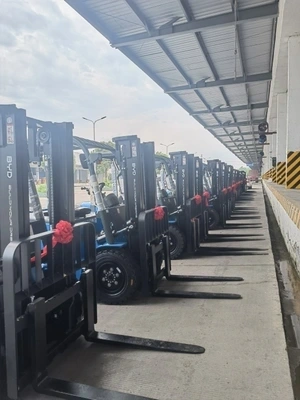
Key routine steps include regular battery health inspections, routine cleaning of charging areas, checking electrical connections on chargers and batteries, and annual inspections of all operational and safety systems. Document all maintenance activities to demonstrate compliance during regulatory inspections.
Can BYD ECB forklifts replace all indoor IC forklift units?
Most indoor material handling tasks can transition to BYD ECB forklifts, but operations requiring very high load capacities or continuous operation in extreme temperature environments may need alternative solutions. Confirm load rating, battery run time and temperature tolerance match your specific operational needs before completing full fleet transition.