BYD ECB forklift Maneuverability and Load Capacity in Narrow Aisle Warehouse Operations
News 10/10/2026
Core Design Attributes of BYD ECB Series Electric Forklifts
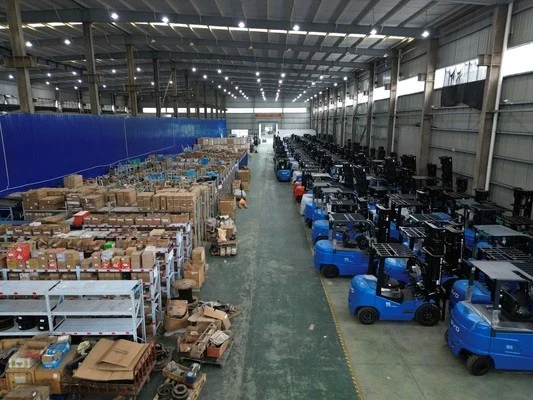
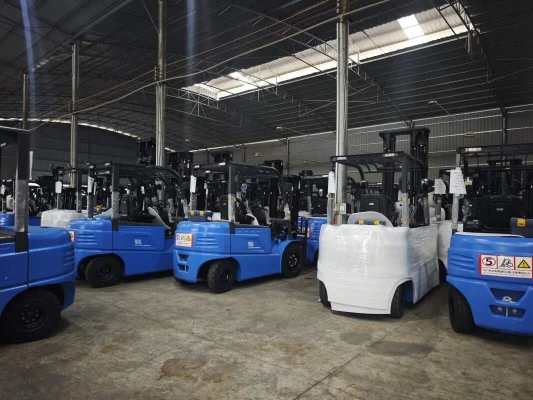
BYD ECB series refers to BYD’s line of electric counterbalance forklifts, built to handle a wide range of material handling tasks across warehousing, manufacturing and distribution sites. This analysis compares key performance attributes related to maneuverability and load capacity against common narrow aisle warehouse needs, highlighting tradeoffs against purpose-built narrow aisle equipment.
Maneuverability Core Specs
BYD ECB models feature rigid front axles and integrated electric drive systems sourced from BYD’s in-house component manufacturing. Smallest capacity models offer turning radii between 1.8 meters and 2.1 meters, while larger 5 to 8 ton models have turning radii up to 2.4 meters. Compared to traditional internal combustion counterbalance forklifts of the same capacity range, BYD ECB models cut turning radius by an average of 0.3 to 0.8 meters, thanks to compact battery placement and smaller engine compartment design.
Low speed torque control comes standard across all BYD ECB models, allowing operators adjust speed and positioning more precisely than older electric or diesel forklift designs. This precision directly impacts performance in tight warehouse spaces.
Load Capacity Ranges
The BYD ECB product line covers rated load capacities from 1.5 tons up to 8 tons, covering most common warehousing load requirements. Purpose-built narrow aisle reach trucks typically top out at 3 to 4 tons maximum rated capacity, so BYD ECB fills a gap operations needing higher capacity within moderately narrow aisles.
Maneuverability Comparison Against Narrow Aisle Requirements
Modern narrow aisle warehouses typically use aisle widths between 2.1 meters and 3.2 meters, designed to balance storage density and operational access. This section compares BYD ECB maneuverability against these operational requirements.
Minimum Aisle Width Requirements
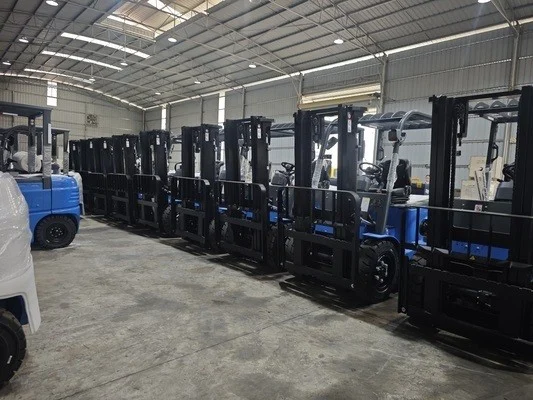
The smallest 1.5 ton BYD ECB model requires a minimum aisle width of 2.7 meters when working with standard 1000mm x 1200mm pallets, including clearance space needed load turning and racking access. Larger 3 ton models require 3.0 meters minimum aisle width, while 5 ton models need 3.3 meters. Compare this to standard reach trucks, which need only 2.2 to 2.5 meters for the same capacity range, and very narrow aisle (VNA) turret trucks that operate in aisles as narrow as 1.6 meters.
Limitations in Very Narrow Aisles
Any facility with aisle widths under 2.5 meters cannot safely accommodate even the smallest BYD ECB model. Attempting to operate these forklifts in aisles narrower than manufacturer specifications increases risk of racking collisions, load damage and operator injury. This is the most important limitation to consider during equipment selection.
Load Capacity Comparison in Real Narrow Aisle Operations
Maneuverability is only one part of performance; load capacity and stability also directly impact operational efficiency.
Load Capacity vs Lift Height Tradeoffs
Like all counterbalance forklifts, BYD ECB models see reduced load capacity as lift height increases. A standard 3 ton BYD ECB retains full 3 ton capacity up to 3 meters lift height, and drops to 2.1 tons capacity at 5 meters. A comparable 3 ton reach truck typically drops to 1.8 tons capacity at the same 5 meter lift height, meaning BYD ECB carries heavier loads at mid-range lift heights than purpose-built narrow aisle equipment.
For lift heights above 6 meters, BYD ECB capacity drops more sharply than reach trucks, and most models do not support lift heights over 6.5 meters, making them unsuitable high-bay narrow aisle storage.
Load Stability in Tight Turning
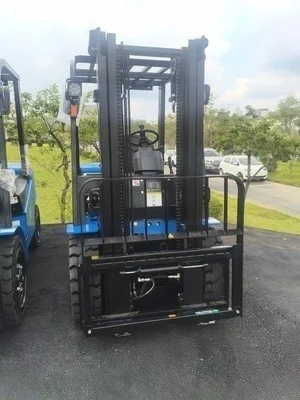
Counterbalance design gives BYD ECB a lower center of gravity than reach trucks when carrying full loads. This improves stability during turning and positioning in narrow aisles, reducing risk of load spills compared to reach trucks operating at similar capacity. The tradeoff comes from larger overall body size, which reduces available maneuvering room in already tight aisles.
Application Scenarios and Selection Guidance
When BYD ECB Works Well
BYD ECB forklifts fit well in narrow aisle operations meeting these criteria: aisle widths 2.7 meters or wider, regular load needs between 1.5 tons and 8 tons, lift height requirements under 6 meters, and operations needing one machine handles both indoor warehouse tasks and outdoor loading yard tasks. Most BYD ECB models support both indoor and outdoor use, unlike purpose-built narrow aisle reach trucks built exclusively to serve indoor operation. This versatility reduces total equipment count across a facility, lowering upfront and maintenance costs.
When Alternative Equipment Works Better
Operations with aisle widths under 2.7 meters, lift height requirements over 6 meters, or priority on maximum storage density should select purpose-built reach trucks or VNA turret trucks instead. Operations needing load capacities over 8 tons will require larger heavy-duty forklifts, which need even wider aisles than standard BYD ECB models.
Frequently Asked Questions
What minimum aisle width fits a 2 ton BYD ECB forklift?
Most standard 2 ton BYD ECB forklift models require minimum aisle width of 2.8 meters when working with standard pallets. Aisle width must include extra clearance space needed operator access and load turning, so facilities with narrower aisles cannot accommodate this model.
How does BYD ECB load capacity compare to comparable reach trucks?
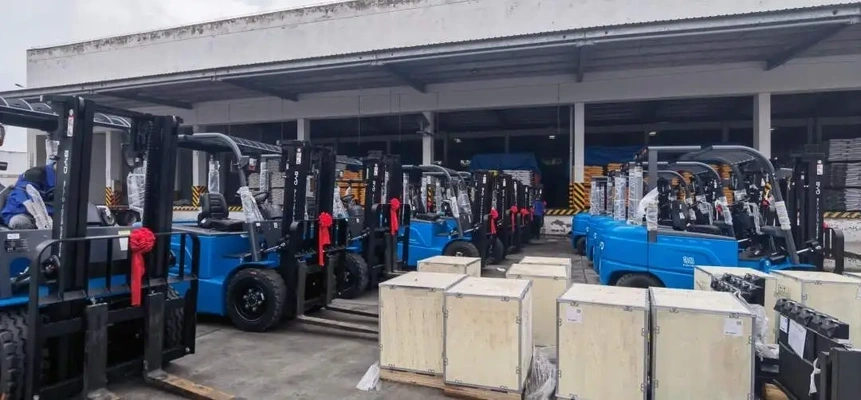
For rated capacities between 1.5 tons and 5 tons, BYD ECB counterbalance models maintain higher load capacity at mid-range lift heights (3 to 5 meters) than most comparable reach trucks. Reach trucks outperform BYD ECB models in very narrow aisles and at lift heights above 6 meters.
Can BYD ECB forklifts work inside and outside warehouse spaces?
Yes, most BYD ECB models include options supporting indoor and outdoor operation, unlike many purpose-built narrow aisle reach trucks built exclusively to serve indoor operation. This makes BYD ECB a versatile option, covering multiple task types across one facility.
What key limitations apply to BYD ECB use in narrow aisle warehouses?
Primary limitations include larger minimum aisle width requirements compared to purpose-built narrow aisle equipment, reduced load capacity at lift heights above 5 meters, and larger overall footprint that reduces available storage space within a facility. Operators also need standard forklift certification matching the machine capacity rating.
Conclusion
Choosing the right equipment narrow aisle warehouse operations depends on your facility layout, load range, lift height needs and multi-tasking requirements. BYD ECB series electric forklifts deliver solid maneuverability and strong load capacity in facilities with aisle widths 2.7 meters or wider. They outperform purpose-built narrow aisle machines in load retention at mid lift heights and support both indoor and outdoor operation, allowing one machine covers multiple roles and removing need of multiple units across a site. For facilities with very narrow aisles or very high lift requirements, alternative equipment will deliver better operational efficiency. Always test equipment within your actual facility layout before making purchase decisions, and confirm model specific specs match your operational needs before finalizing any order.