What Types of Forklifts Are There and How Power Source and Load Capacity Define Their Industrial Uses
News 07/10/2026
When planning material handling operations, understanding different forklift options helps you select equipment that matches your work environment, load requirements and safety standards. This guide breaks down common categories, how core attributes shape their uses, and clear guidance to narrow your choices.
Core Forklift Classifications By Power Source
Power source determines where a forklift operates, its operating cost and infrastructure requirements. Below are the most common categories:
Internal Combustion (IC) Counterbalance Forklifts
IC forklifts run on gasoline, diesel or compressed propane. Their design includes a counterweight at the rear to offset heavy loads held at the front. Most models offer load capacity ranging from 3,000 to 15,000 pounds, with specialized heavy duty models reaching far higher limits.
Primary applications include outdoor construction sites, lumber yards, open-air shipping yards and work sites with rough, unfinished surfaces. Their rugged build handles uneven ground and exposure to weather.
Key limitations include exhaust emissions that make them unsafe for enclosed indoor spaces, higher operating noise levels, and fuel costs that shift with commodity price changes.
Electric Counterbalance Forklifts
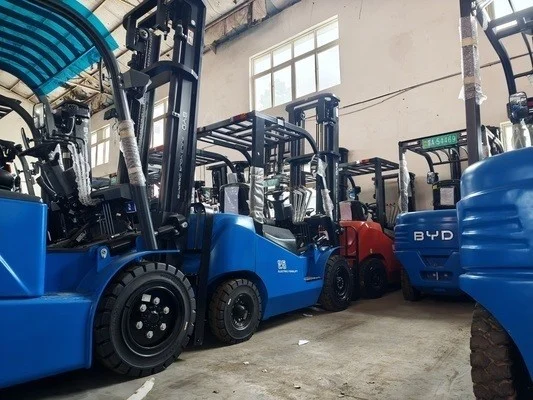
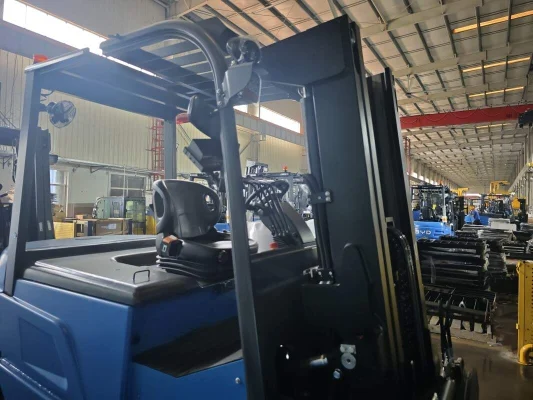
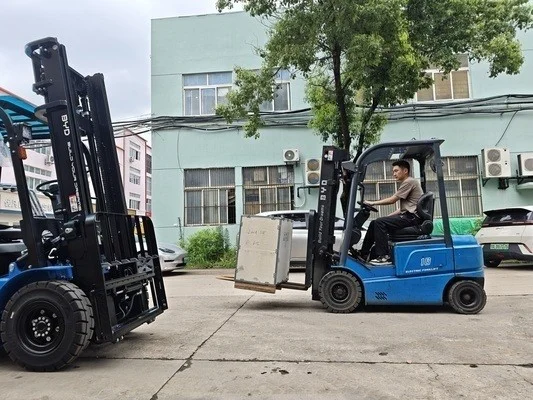
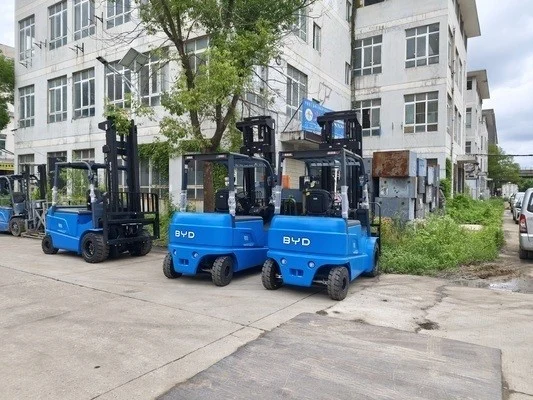
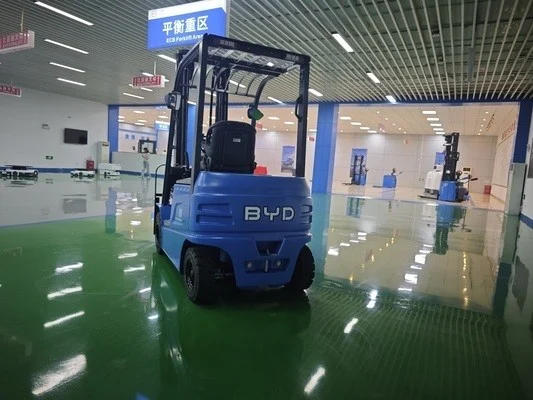
These forklifts draw power from rechargeable lead-acid or lithium-ion batteries. They share the counterbalance design of IC models but produce no on-site emissions.
Typical load capacity ranges from 2,000 to 12,000 pounds, making them suited for most general indoor tasks. Common applications include indoor warehouses, distribution centers, retail storage areas and manufacturing facilities with flat, finished floors.
Key limitations include requirement dedicated charging infrastructure, downtime for battery swaps or recharges, higher upfront purchase costs, and vulnerability to moisture damage on unprotected outdoor terrain.
Manual and Powered Pallet Jacks
Manual hand pallet jacks rely on human power to move loads. They handle loads up to 5,000 pounds, and work well short distance moves in small retail stock rooms and small loading docks. They require physical effort and cannot lift loads above standard pallet height.
Powered pallet jacks use electric power to move heavier loads over longer distances. Most handle 3,000 to 8,000 pounds, and see regular use large warehouses for loading and unloading trucks and moving pallets across storage floors. Like manual models, they cannot lift loads to high storage racks.
How Load Capacity Defines Forklift Industrial Uses
Beyond power source, load capacity is the second critical attribute that determines a forklift’s appropriate use. Misaligning capacity your load needs creates major safety risks and premature equipment wear.
Light Capacity Forklifts (Under 5,000 Pounds)
Most light capacity models are electric, designed for light-duty tasks. Common uses include small business stock rooms, light assembly lines, and moving finished consumer goods. They fit narrow aisles and have lower upfront costs.
They cannot handle heavy bulk materials such as steel coils or large lumber bundles, so they are not suited heavy industrial operations.
Medium Capacity Forklifts (5,000 to 15,000 Pounds)
This category includes the most common general-use forklifts found most workplaces. They handle standard loaded pallets, full shipping container sections and most common manufacturing materials. They work well general warehouses, manufacturing facilities and retail distribution centers.
They lack the strength to handle oversized heavy industrial loads, so they cannot replace high-capacity models port or heavy manufacturing settings.
High Capacity Forklifts (Over 15,000 Pounds)
These large, heavy-duty forklifts handle extreme loads. Common applications include port container handling, steel mills, construction equipment yards and precast concrete manufacturing. They can lift fully loaded shipping containers and large heavy construction components.
Key limitations include a large footprint that prevents use narrow aisles, very high purchase and maintenance costs, and limited maneuverability in small spaces.
Common Niche Specialty Forklift Types
Several specialty types serve specific use cases beyond general material handling:
Reach Forklifts
Reach forklifts have extendable masts that reach high storage racks up to 30 feet or more. They are designed for narrow aisle high-density storage warehouses, and most offer 2,000 to 5,000 pounds load capacity.
They only work on flat indoor surfaces, and have lower load capacity than standard counterbalance models.
Rough Terrain Forklifts
These IC-powered forklifts have large, deep-tread tires and high ground clearance to handle uneven, unpaved construction sites. They lift building materials to elevated work areas and move heavy supplies across job sites.
They are too large and rough for indoor use, and cannot maneuver in narrow enclosed spaces.
Order Picker Forklifts
Order pickers lift the operator alongside the load, allowing them to pick individual items from high storage racks. They are common e-commerce fulfillment centers and operations that pull individual orders rather than move full pallets.
They have low maximum load capacity and only serve specific order picking tasks.
Actionable Forklift Selection Tips
Follow these steps to narrow your options:
- First confirm your primary operating environment: indoor work requires electric power, outdoor rough terrain requires IC-powered rough terrain models.
- Measure your aisle width to confirm the forklift can maneuver your space. Narrow aisles require reach or other compact models.
- Note the maximum load weight you regularly move, and check manufacturer ratings to confirm the forklift can handle that weight at your maximum planned lift height.
- Account infrastructure requirements: electric forklifts need space for charging stations, while IC models need safe fuel storage.
Common mistakes to avoid: using a standard indoor electric forklift repeatedly on outdoor rough terrain causes premature tire and axle damage, while using an IC forklift in enclosed indoor spaces creates dangerous carbon monoxide exposure.
Frequently Asked Questions
Which forklift works best most small warehouse operations?
Most small indoor warehouses work best with electric counterbalance or reach forklifts, matched to your maximum regular load weight and aisle width. Electric models produce no exhaust, operate quietly, and fit most indoor storage layouts.
Can any forklift work both indoor and outdoor spaces?
Only sealed electric forklifts or IC forklifts with proper emission controls work safely in both spaces. Standard electric forklifts lack protection against moisture and rough terrain, so repeated outdoor use damages internal components.
What is the most common forklift type found industrial settings?
Medium capacity electric counterbalance forklifts rank as the most common type, thanks to their versatility for most indoor warehouse and manufacturing tasks.
Does maximum load capacity change with lift height?
Yes, most forklifts lose effective maximum load capacity as lift height increases. Always check the manufacturer data plate your forklift to confirm capacity the maximum height you plan to use.
Understanding different forklift types, grouped by power source and load capacity, helps you narrow options that match your operation’s specific needs. Always prioritize safety, confirm manufacturer ratings before use, and test maneuverability your space before committing to a purchase or long-term rental.