Choosing Attachments and Fork Dimensions on a BYD Electric Forklift: Load Center Limits and Capacity Derating to Confirm Before Purchase
News 08/11/2026
An attachment or a longer fork changes the load center, and the load center changes how much the truck can safely lift. Before you order a BYD electric forklift with a specific fork length, spread, or attachment, confirm three things with your supplier: the rated capacity at the actual load center you will use, the derating curve that applies to your configuration, and the hydraulic and visibility implications of the attachment. This guide explains what to ask, which documents to request, and what to verify on delivery.
Why Load Center Drives Capacity, Not Just Fork Length
Forklift capacity ratings are tied to a defined load center, usually a stated distance from the vertical face of the forks to the center of gravity of the load. When the load center moves forward, the truck’s stability margin and mast/chassis loads change, so the allowable capacity falls. This is a physical relationship, not a marketing number, and it applies to every four-wheel counterbalance electric forklift, including lithium-powered models.
Two purchases often go wrong here. The first is ordering longer forks to reach deeper into a rack or trailer without rechecking the capacity at the new load center. The second is adding an attachment that shifts the load forward and adds its own weight, then assuming the original nameplate capacity still applies. Both mistakes are avoidable with a documented derating check before the order is placed.
Note the distinction: the load center is a property of the load and the handling setup, while the rated capacity is a property of the truck configuration. You need both numbers, measured or specified consistently, to make a valid comparison.
Information to Gather Before You Request a Quote
A useful quotation depends on accurate inputs. Collect the following before contacting a supplier about a BYD electric forklift configuration.
- Load data: maximum weight, dimensions, and the position of the load’s center of gravity relative to the fork face.
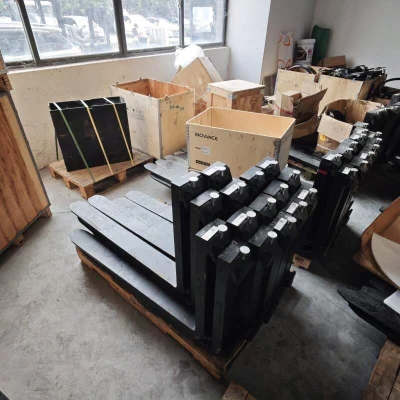
- Fork requirements: required length, width, thickness, spread, and whether the forks must handle pallets, skids, or non-palletized goods.
- Attachment type: if any, such as a sideshifter, clamp, or push-pull, plus its weight and its effect on load center. Ask the attachment maker for the added load center distance.
- Lift height and mast type: required lift height, free lift needs, and whether the mast must pass under doorways or rack beams.
- Site conditions: aisle width, floor surface and slope, outdoor exposure, and any ramps.
- Duty cycle: shifts per day, hours of operation, and charging windows.
Ask the supplier to state the rated capacity at your actual load center, not only the standard rating. If the required capacity at your load center is close to the truck’s derated limit, consider a larger model or a different attachment rather than accepting a marginal margin.
Documents and Confirmations to Request
Request the following in writing. These are the items that let you compare offers and later verify delivery.
Capacity and derating data
Ask for the capacity plate data and the derating information that applies to the proposed configuration, including the load center used for the rating and any attachment-related reduction. Where the manufacturer publishes a capacity chart, request the relevant page rather than a verbal summary.
Fork and attachment specifications
Confirm fork length, section dimensions, spread, and the attachment model. Ask whether the forks and carriage are compatible with the attachment and whether the hydraulic circuit supports it. For attachments, request the attachment manufacturer’s load center and weight figures.
Visibility and clearance
Attachments and long forks can affect forward visibility and ground clearance. Ask how the proposed setup affects the operator’s view of the load and whether any restriction applies in your aisle layout.
Battery and charging assumptions
If the truck is a lithium model, confirm the battery capacity and charging arrangement against your duty cycle. Attachment hydraulics add load to the system, so state your actual usage pattern rather than an average.
Delivery and acceptance items
Ask what will be supplied at handover: capacity plate, operator manual, attachment documentation, and any configuration-specific instructions. Confirm the serial-numbered configuration so the delivered truck matches the quoted specification.
Verification on Delivery and Common Mistakes
On delivery, check the capacity plate against the quoted rating and load center, confirm the fork dimensions and attachment model, and test the hydraulic functions at low load before putting the truck into service. Train operators on the derated capacity, because the nameplate number they remember may not match the attachment configuration.
Common mistakes include: using the standard capacity rating after adding an attachment; ordering longer forks without recalculating load center; mixing forks and carriages from different sources without confirming compatibility; and assuming a quoted capacity applies at any lift height or load center. Each of these is a documentation gap, and each is easier to close before the order than after delivery.
If your load center or attachment choice is uncertain, describe the actual load, lift height, and handling method to the supplier and ask for a written configuration recommendation. A short, specific description of the job is more useful than a general request for a price.
Frequently Asked Questions
Does adding an attachment always reduce capacity?
Usually it does, because the attachment adds weight and moves the load center forward. The amount depends on the attachment type and its geometry. Ask the attachment maker and the truck supplier for the specific reduction that applies to your configuration.
Can I use longer forks without changing the rating?
No. Longer forks typically increase the load center, which reduces allowable capacity. Confirm the rating at the new load center with the supplier before using the truck.
Where do I find the load center used for the rating?
It should appear on the capacity plate or in the truck documentation. If it is not stated, ask the supplier to confirm it in writing.
What should I include in a quote request?
Include load weight and dimensions, required fork length and spread, attachment type, lift height, aisle and floor conditions, and duty cycle. These inputs let the supplier propose a configuration with a documented capacity at your load center.