Lithium Ion Forklift Battery Installation Requirements: Electrical, Ventilation, and Space Checks Before Delivery of a Four-Wheel Counterbalance Electric Forklift
News 05/11/2026
A lithium ion forklift battery is not a drop-in swap that happens on delivery day. The charger, the room around the truck, and the building electrical supply all set limits on how the battery can be installed and charged. Getting these checks right before a four-wheel counterbalance electric forklift arrives avoids costly rework, failed commissioning, and unsafe charging. This guide covers the electrical, ventilation, and space checks a buyer should confirm with the supplier and the site team before delivery.
Exact figures — charger input current, battery voltage and capacity, minimum aisle width, clearance dimensions — must come from the manufacturer’s technical data and the site survey. Where those figures are not yet available, treat the items below as a checklist of questions to resolve, not as fixed numbers.
Electrical Supply and Charging Checks
Charging is the most common source of pre-delivery surprises. A lithium ion battery needs a charger matched to its voltage, capacity, and charging profile, and that charger needs a supply the building can actually deliver.
Confirm voltage, capacity, and charger compatibility
Ask the supplier to state the battery voltage and rated capacity, and confirm the charger model intended to pair with it. A charger configured for a different voltage or chemistry profile may not be suitable, even if the connector fits. Keep the battery, charger, and truck as one matched set in the specification.
Check the available supply against charger demand
Charger input current, phase, and supply voltage determine the circuit needed. Compare these with the site’s distribution board capacity and the distance from the board to the charging position. Long cable runs and shared circuits can affect voltage drop and available capacity; an electrician should verify the final arrangement. Do not assume an existing lead-acid charging circuit will suit a new lithium ion charger without checking its rating.
Decide charging strategy early
Opportunity charging during breaks, a single overnight charge, and multi-shift operation each place different demands on the electrical supply and the number of chargers required. Confirm the intended pattern with the supplier so the charger count and circuit provision match how the truck will actually work.
Plan the connection point and protection
Confirm connector type, cable length, isolation and protection requirements, and who is responsible for the final connection. These details belong in the delivery and commissioning plan, not in an assumption that the site team will sort them out on the day.
Ventilation and Charging Area Requirements
Lithium ion batteries do not produce the same charging gas as flooded lead-acid types, but the charging area still needs sensible ventilation, thermal management, and fire-safety provisions. Requirements vary by battery design and local regulations, so confirm them with the supplier and the authority having jurisdiction.
Provide airflow and temperature control
Chargers and batteries generate heat. The charging position should have adequate airflow and stay within the temperature range the manufacturer specifies. Avoid enclosed cupboards or cramped corners that trap heat, and check whether the supplier requires a minimum clearance around the charger.
Address fire safety and emergency arrangements
Ask what the battery and charger documentation says about fire-safety measures, detection, and emergency procedures, and align this with local codes and insurer requirements. Do not rely on generic advice; the applicable rules depend on the installation and the jurisdiction.
Keep the charging zone clear and marked
Designate a charging position that keeps cables, connectors, and the charger out of traffic routes. Mark the area and keep combustible materials away. A charging point placed in a busy aisle creates trip and impact hazards that are easier to prevent at the planning stage.
Space, Floor, and Access Checks Around the Truck
Space planning covers more than the footprint of the forklift. The truck must enter, turn, lift, and charge without obstruction, and the floor and building must support the loads involved.
Verify aisle width and turning clearance
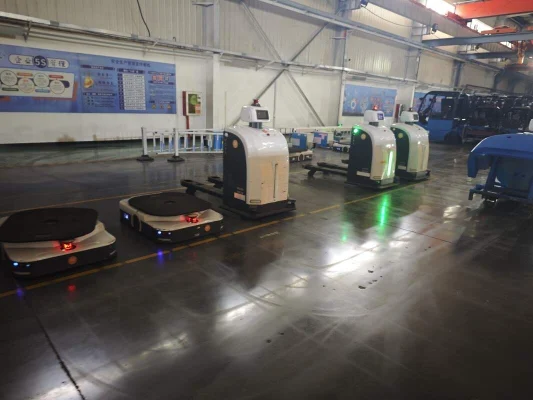
Required aisle width depends on the truck’s dimensions, its load, and the racking layout. Provide the supplier with the actual aisle dimensions and the loads to be handled, and ask them to confirm suitability. A four-wheel counterbalance electric forklift is a common general-purpose choice in factories, loading areas, and warehouse transfers, but the layout still has to suit the specific model.
Check floor condition and load capacity
Confirm the floor’s load-bearing capacity, flatness, and condition along the intended routes, including ramps and thresholds. Uneven surfaces and weak floor sections can affect safe operation. If the site has slopes, state the gradient and ask the supplier whether the model is suitable.
Confirm lift height, load centre, and attachments
Provide the required lift height, the load weight and its centre of gravity, and any attachment that will be used. These factors determine the capacity the truck must have at height. Do not compare only the nominal rated capacity; capacity at the actual load centre and lift height is what matters.
Plan the charging position and battery handling
Decide where the truck will park to charge and whether the battery will be charged on board or handled separately. Confirm the space needed around the truck and charger, and check whether the supplier requires any specific battery-handling equipment or procedure.
Frequently Asked Questions
Can a lithium ion battery use the existing lead-acid charger?
Not automatically. The charger must match the battery’s voltage, capacity, and charging profile. Confirm compatibility with the supplier before relying on existing equipment.
Does a lithium ion forklift battery need a special charging room?
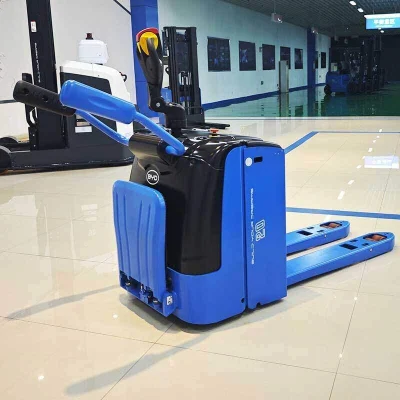
Requirements depend on the battery design, the charger, and local regulations. Ventilation, temperature control, and fire-safety provisions should be confirmed with the supplier and the relevant authority rather than assumed.
What site information should I send before requesting a quotation?
Provide the loads and load centre, required lift height, aisle and door dimensions, floor condition and slopes, shift pattern, charging strategy, and available electrical supply. These details let the supplier recommend a suitable configuration instead of a generic model.
How much space is needed around the charging point?
Clearances vary by charger and battery design. Check the manufacturer’s installation instructions and allow enough room to connect, disconnect, and move the truck safely.
Before delivery, confirm the matched battery and charger specification, the electrical supply and protection, ventilation and fire-safety arrangements, and the aisle, floor, and charging-position dimensions. Where any figure is uncertain, resolve it with the supplier and a qualified electrician rather than assuming the installation will fit. Share your actual load, lift height, layout, and charging conditions so the four-wheel counterbalance electric forklift configuration can be checked against your site.