Assessing Counterbalance Forklift Overload Protection System Functionality Ensures Site Operational Safety
News 20/10/2026
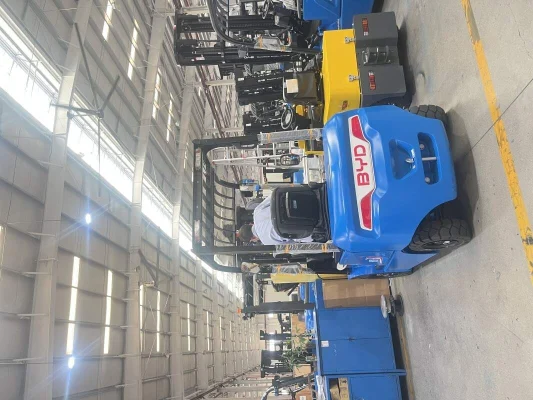
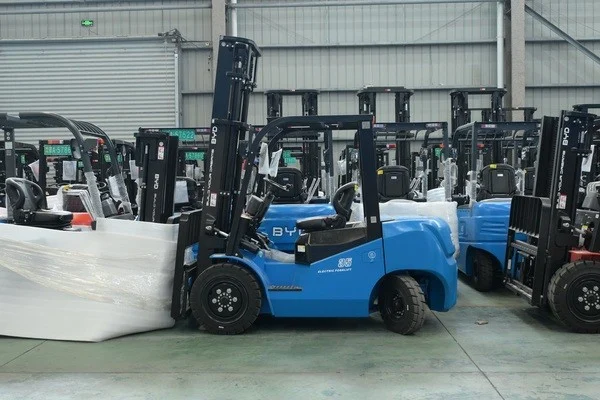
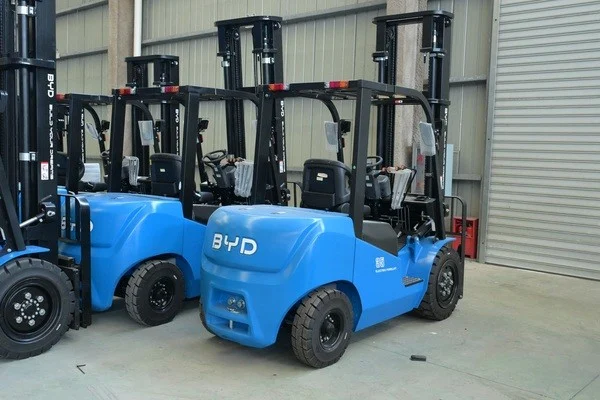
Counterbalance forklifts remain one of the most widely used material handling equipment across warehouse and distribution sites. Overload protection systems prevent tip-overs, frame damage, and premature component wear, directly tied to site operational safety. Regular functional assessment of these systems keeps teams and equipment protected, aligns with routine maintenance schedules, and avoids unplanned downtime.
Core Functional Components Requiring Regular Assessment
Every counterbalance forklift overload protection system combines three core components. Each contributes to overall system accuracy and response, so each requires separate checks during assessment.
Load Sensing Units
Load sensing units mount to forklift masts, lift chains, or hydraulic lines. They measure actual load weight during lifting operations. Misaligned or damaged sensors deliver inaccurate readings, which can disable the system when it should trigger or trigger false alarms that halt productive work.
During assessment, teams need to check mounting security, connection integrity, and clearances around moving components. Damage to sensing elements from repeated load cycles or accidental impact also requires visual confirmation.
Alarm and Cut-Out Mechanisms
Once a sensor registers load exceeding the forklift rated limit, the system triggers audible and visual alarms first, followed by cut-out of lift functions to prevent further upward movement. This staged response gives operators time to react before the system locks movement, reducing accident risk.
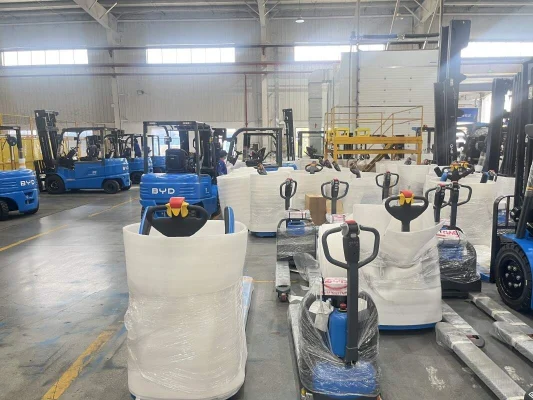
Disabled or unresponsive alarms leave operators unaware of dangerous load conditions. Faulty cut-out mechanisms allow continued lifting even when overload conditions exist. Both create immediate site safety hazards.
Control Module Calibration
The onboard control module stores calibration data matched to the forklift rated load capacity. Vibration over time, software updates, and component replacement can shift calibration, leading to inaccurate load readings.
Calibration drift increases slowly, so many site managers miss changes until an incident occurs. Regular assessment includes verifying calibration matches current forklift configuration, especially after component replacement or mast modifications.
Structured Assessment Workflow and Key Checkpoints
Structured assessments follow a clear sequence, starting with pre-check preparation before moving to functional testing. Below is a comparison of key checkpoints, associated site risks, and required verification steps:
| Check Item | Potential Site Risk | Required Verification Steps | Common Configuration Notes |
|---|---|---|---|
| Sensor mounting and connection | Inaccurate load readings, unplanned system activation | Visual inspection of mounts, wiring connections, and housing seals | Standard on all new counterbalance forklift models; confirm seal integrity when operating in wet or dusty environments |
| Alarm functionality | Unawareness of overload conditions leading to tip-over | Trigger test to confirm audible and visual alarms activate within expected response time | Optional upgraded loud alarms suit high-noise warehouse environments; require separate confirmation from suppliers |
| System calibration | System fails to trigger at actual rated load limit | Verify calibration data matches current forklift rated capacity, confirm with test load where possible | Calibration settings change after mast or hydraulic component replacement; always recheck after major service work |
| Cut-out mechanism response | Continued lifting of overloaded loads leading to equipment damage | Test system response with controlled load just over rated limit, confirm lift function cuts out as designed | Some systems allow temporary override during specific operations; confirm override protocols align with site safety rules |
After completing all checks, document all results alongside routine maintenance records. Flag any discrepancies for follow-up service by qualified technicians. Do not operate the forklift until unaddressed safety issues resolve.
Operations with multiple counterbalance forklifts should schedule assessments alongside regular preventive maintenance. This avoids extra downtime and integrates safety checks into existing work flows.
Frequently Asked Questions
How often should I assess my counterbalance forklift overload protection system?
Assessment frequency depends on usage intensity and operating environment. Forklifts used multiple shifts daily in busy distribution centers need assessments every three months. Forklifts used occasionally in low-volume sites can undergo assessments every six months. Always complete an assessment after any major collision, mast repair, or component replacement.
Can my in-house maintenance team complete assessments, or do I need outside support?
Basic functional assessments can happen via trained in-house maintenance teams. Teams need access to the forklift manufacturer service guidelines and calibration procedures to complete accurate checks. Calibration adjustments and component repairs require qualified support aligned with manufacturer requirements.
Does changing forklift attachments affect overload system functionality?
Any new attachment changes the forklift effective load capacity, which impacts overload system calibration. Most systems require recalibration after attachment installation to match new load limits. Always confirm system settings align with updated capacity after any attachment swap.
What happens if I skip regular overload protection assessments?
Skipping assessments leaves sites open to preventable accidents, including tip-overs, equipment damage, and injury to on-site personnel. Unaddressed calibration drift can lead to false alarms that reduce productivity or missed overload conditions that create dangerous work environments.
Regular functional assessment of counterbalance forklift overload protection systems directly supports consistent site safety. Focused checks on core components, structured test workflows, and consistent documentation keep systems operating as designed, reducing overall site risk.