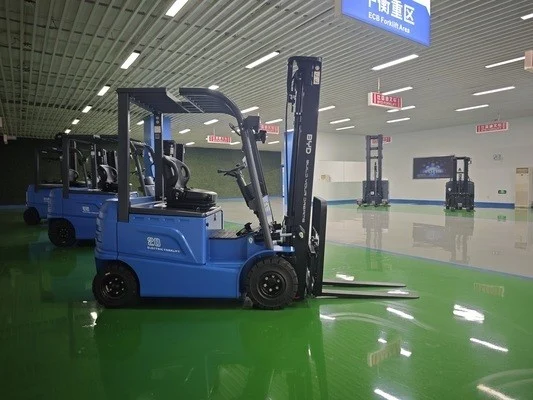
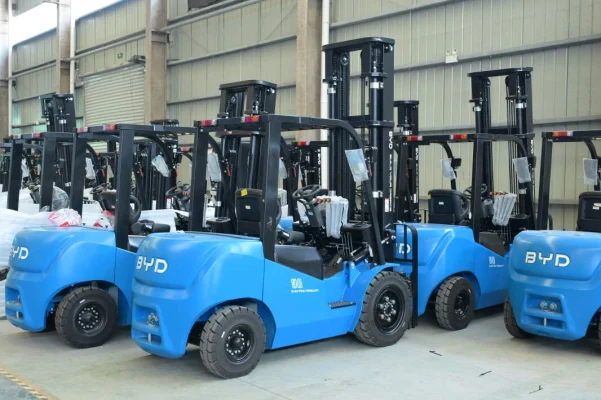
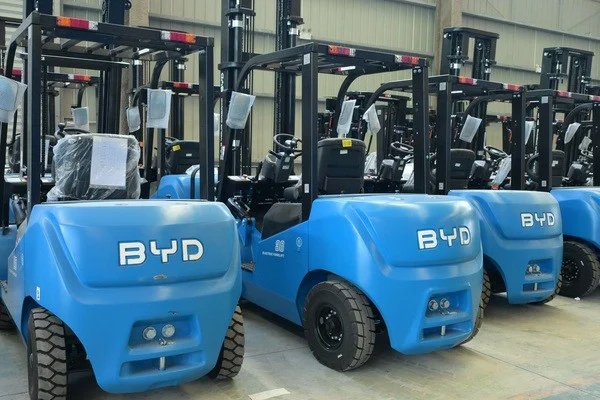
Battery Charging Bay Layout and Shift Charging Windows: Infrastructure Planning Before Sourcing Four-Wheel Counterbalance Electric Forklift Trucks
News 22/10/2026
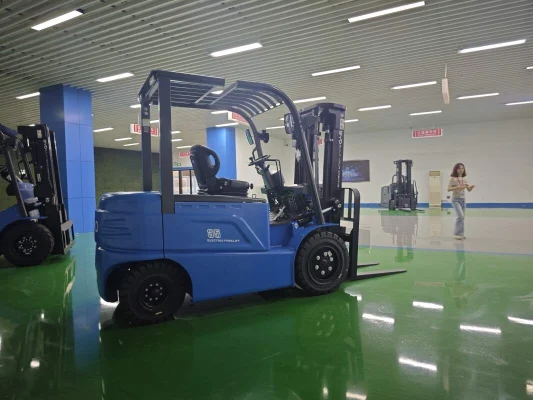
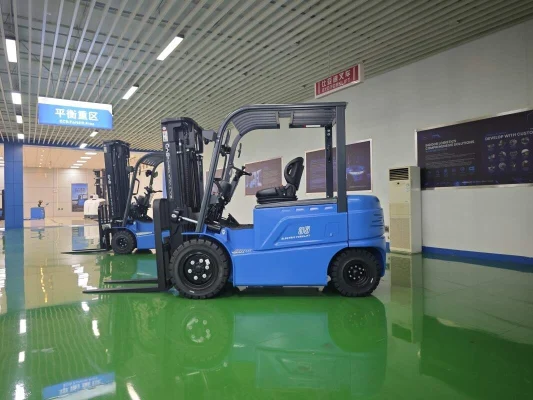
Proper charging infrastructure planning prevents costly operational disruptions after you add four-wheel counterbalance electric forklift trucks to your fleet. Many organizations focus only on truck selection and purchase price, ignoring charging layout and shift scheduling until installation begins. This mistake leads to crowded bays, extended downtime, and unnecessary safety risks. The guidance below helps you plan correctly before you finalize your sourcing decision.
Core Layout Principles of Charging Bays
Charging bay design depends on your facility layout, fleet size, and battery type. Most lithium-powered four-wheel counterbalance forklifts follow these core layout rules:
- Allocate enough clear space around each charger to allow easy connection and disconnection of charging cables. Operators need room to move without tripping over loose cables or nearby stored items.
- Position bays close enough to main work zones to cut down empty travel time between charging and active operations.
- Slope concrete surfaces slightly toward drainage points to prevent water accumulation around charging equipment.
- Add proper ventilation and fire suppression systems matched to lithium battery system requirements.
- Keep charging bays separated from high heat sources and sensitive stored materials to meet safety standards.
You also need to confirm your facility power grid can handle the total load of all chargers running simultaneously during peak charging periods. Work with a licensed electrician to audit your power capacity early in the planning process.
Align Charging Windows With Your Operational Shifts
Shift charging windows match your work schedule to keep all trucks operational through every work period. The right schedule depends on how many shifts you run each day:
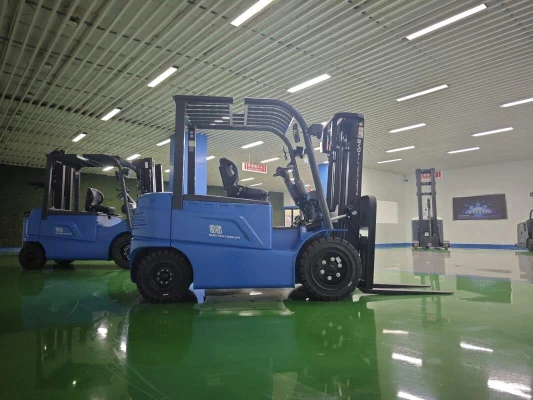
Single-shift operations
Most single-shift sites can schedule all charging overnight during off-hours. One charging bay per truck works well here, as no mid-shift charging is needed with full-capacity lithium batteries.
Multi-shift operations
Two or three-shift operations require rotating charging schedules. You can add short opportunity charging windows during scheduled break times to top up battery capacity. Most operations plan one charging bay per 1.5 to 2 trucks to accommodate rotation without wait times.
Always calculate total daily energy use based on average run time per truck and maximum load requirements. This helps you adjust window length and bay count to match your actual needs.
Common Planning Mistakes To Avoid
These oversights create problems that persist long after your fleet enters service:
- Underestimating bay count: Many sites cut costs by reducing the number of bays, which leads to long wait times when operators need to charge. Always add one extra bay to accommodate unexpected maintenance or fleet expansion.
- Poor cable management: Loose unprotected cables create major tripping hazards. Install cable trays or floor covers to keep walkways clear.
- Ignoring future expansion: Plan your power and bay layout to support 20% more trucks than your current order, so you avoid costly upgrades when you expand your fleet later.
- Missing safety requirements: Lithium batteries have different safety standards than older lead-acid batteries. Failing to update fire suppression or ventilation creates unnecessary risk.
Frequently Asked Questions
How many charging bays do I need per four-wheel counterbalance electric forklift?
The answer depends on your shift structure and battery capacity. Single-shift operations work well with one bay per truck, as charging happens overnight. Multi-shift operations typically need one bay every 1.5 to 2 trucks to accommodate rotation during working hours. Confirm your specific needs with your supplier based on your daily workload.
Do lithium battery powered forklifts need special charging bay features?
Yes. Lithium batteries have different safety requirements compared to older lead acid units. Most designs require clear separation from open food storage or high heat sources, plus properly rated fire suppression equipment. Check manufacturer guidelines matching your specific model to confirm local requirements.
Can I convert existing internal combustion fueling bays into electric forklift charging bays?
Conversion works in many cases, but you must update wiring, power capacity, and safety features first. Remove all old fuel storage infrastructure and test the ground load capacity before installation. Work with a licensed electrician to confirm your facility power grid can handle the new total load.
If you plan to source BYD four-wheel counterbalance electric forklifts, share your operational details including shift schedule, fleet size and facility layout with our team to get customized planning guidance.