How Many Types Of Forklift Are There: An Industry Guide To Common Categorizations Based On Application And Operating Environment
News 04/10/2026
Forklifts are critical material handling equipment across warehouses, construction sites, retail yards and many other workspaces. Many new operations managers or business owners ask this common question when planning equipment purchases or rentals. This guide organizes common forklift types by core application and operating environment, so you can quickly match each option to your operational needs.
Core Categorizations By Operating Environment
Indoor Forklifts
Indoor forklifts are built specifically to suit smooth, flat surfaces found in enclosed workspaces. Most have low ground clearance and compact designs that fit within standard warehouse aisles. Common examples include:
- Counterbalance forklifts: A weighted rear offsets load weight at the front, creating stable lift for pallet moving and truck loading/unloading. These require adequate turning space, and do not perform well on uneven outdoor ground.
- Reach forklifts: Extended masts allow access to high-bay storage racks, making them ideal to serve facilities that maximize vertical storage space. They only operate on smooth indoor surfaces, with limited ground clearance for outdoor use.
- Order pickers: These lifts raise the operator alongside the load, allowing direct access to individual items stored on high racks. They fit perfectly in e-commerce fulfillment centers, but have low load capacity and limited use outside order picking workflows.
Outdoor Forklifts
Outdoor forklifts feature reinforced frames, higher ground clearance and rugged tires to handle unpaved, uneven terrain. Common options include:
- Rough terrain forklifts: Built to serve construction sites, lumber yards and agricultural operations, these handle sloped ground and loose dirt or gravel with ease. They are too large for most enclosed indoor warehouses, and consume more fuel than smaller indoor models.
- Pneumatic tire forklifts: Solid pneumatic tires resist punctures from debris, making them suitable to serve open shipping yards and outdoor lumber storage. Many models can operate in large indoor open spaces if equipped with emission control systems, but cannot handle extremely uneven ground matching the capability dedicated rough terrain models offer.
Common Categorizations By Power Source
Internal Combustion (IC) Forklifts
IC forklifts run on gasoline, diesel or propane. They deliver higher maximum load capacity and faster refueling than electric alternatives, making them popular to serve outdoor heavy lifting tasks. Key limitations include emissions that make them unsafe for enclosed indoor spaces without extensive ventilation, plus higher ongoing maintenance requirements compared to electric models.
Electric Forklifts
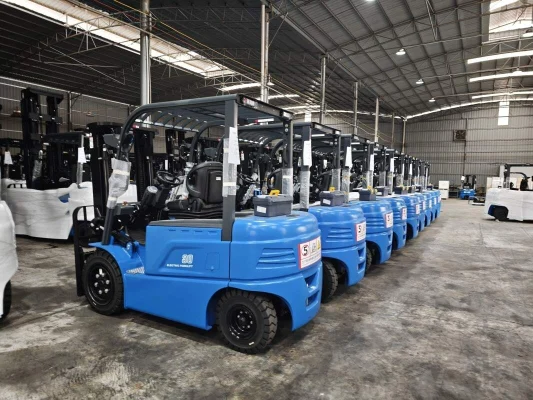
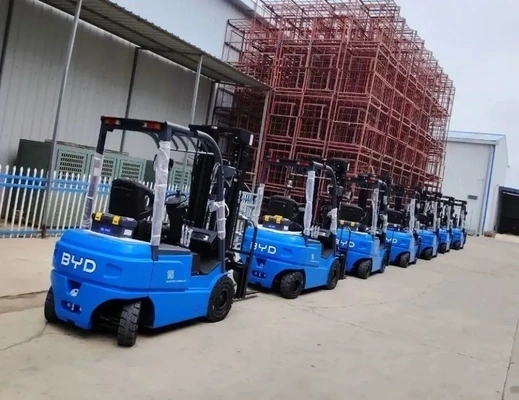
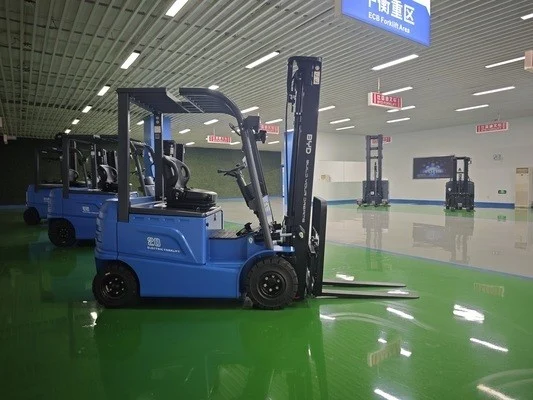
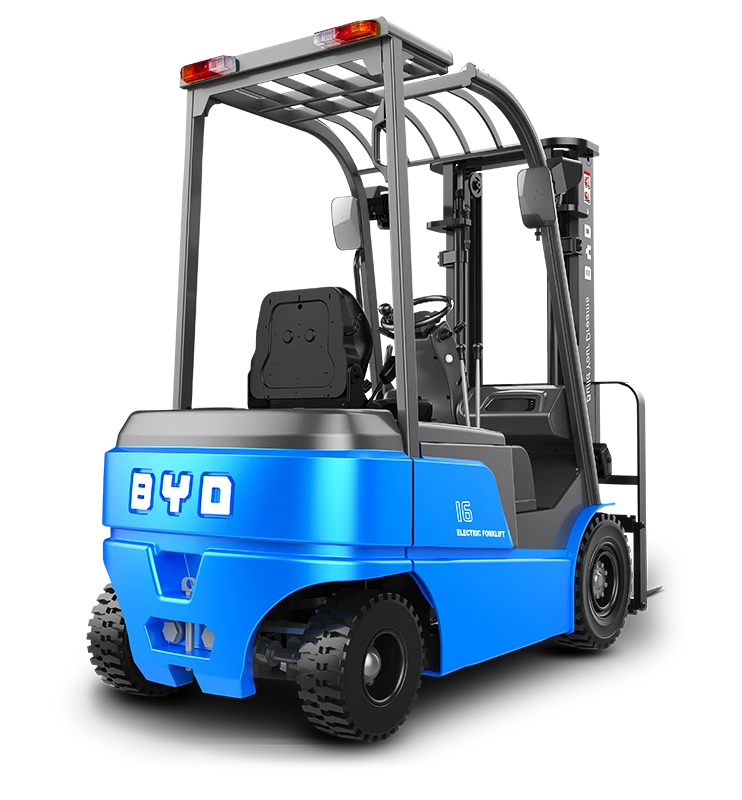
Electric forklifts run on rechargeable industrial batteries. They produce zero emissions, operate with much lower noise levels, and have lower long-term operating costs. These traits make them the top choice among indoor warehouses and food processing facilities. Limitations include required charging downtime between shifts, and battery performance drops in extreme hot or cold temperatures. Most electric models also have lower maximum load capacity than comparable IC options.
Specialized Forklift Types Serving Niche Applications
Lightweight Hand Operated Lifts
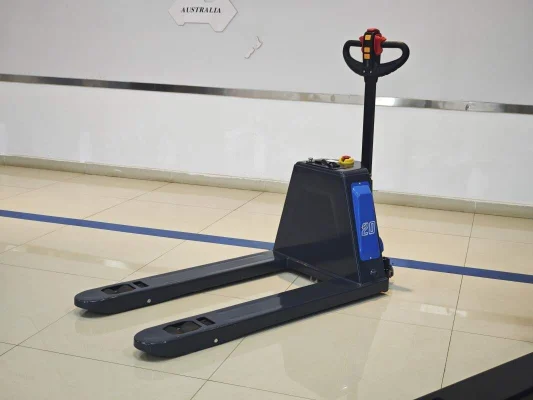
Hand pallet jacks are manual, low-capacity lifts built to move pallets short distances. They fit well in small retail stock rooms and small warehouses, require no power source, and have very low upfront cost. Limitations include maximum lift height that only clears ground level, plus physical effort required from the operator. Electric pallet jacks are motorized versions that reduce physical effort and handle higher capacities, making them popular among mid-sized warehouses that need daily pallet movement.
Heavy-Duty Specialized Lifts
- Telehandlers: Also called telescopic handlers, these feature an extendable boom that reaches forward and up to lift materials. Common uses include placing construction materials on upper building levels, and moving large agricultural loads. They accept multiple attachments beyond standard forks, including buckets and grapples. Limitations include reduced stability when the boom reaches full extension, so trained operators are required.
- Side loaders: These carry loads along the vehicle side, making them ideal to handle long items like lumber, pipes or steel beams. They maneuver easily through narrow aisles that standard front-load forklifts cannot navigate. Their design only fits long load handling, so they are not useful for general pallet work.
- Container handlers: These are purpose-built to lift and move fully loaded intermodal shipping containers. They see primary work at ports and rail yards, but their large size means they have no application in most smaller industrial sites.
Key Selection Tips
When choosing a forklift, start with these key assessments to narrow your options:
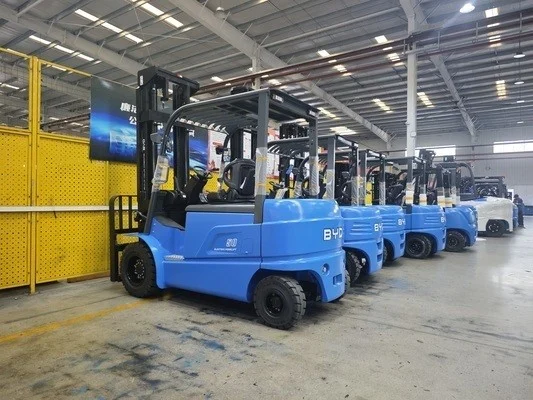
- Assess your primary operating environment: Indoor smooth surfaces work best with electric counterbalance or reach lifts. Outdoor uneven ground requires dedicated rough terrain IC lifts.
- Confirm your maximum regular load weight, then choose a model with 10-15% extra capacity to avoid safety issues and excess wear.
- Evaluate your available workspace: Narrow aisles need reach forklifts or side loaders to maintain maneuverability, while wide open spaces accommodate standard counterbalance models.
- Factor long-term costs: Electric models deliver lower ongoing operating costs if you have space and infrastructure to support battery charging. IC models work better if you need continuous operation without extended charging downtime.
Frequently Asked Questions
Is a pallet jack considered a type of forklift?
Most industry categorizations include hand and electric pallet jacks as a lightweight, manual or semi-automated forklift variant. They share the core function lifting and moving loads, even with lower maximum lift height and capacity compared to full-size models.
Which forklift type best fits warehouse operations?
Most standard warehouse operations with smooth flat surfaces work well with electric counterbalance or reach forklifts. Narrow aisle high-bay storage needs reach trucks or order pickers to maximize available storage space. Facilities handling heavy loads regularly may opt for IC-powered counterbalance models if adequate ventilation is available.
What defines a rough terrain forklift?
Rough terrain forklifts feature high ground clearance, rugged heavy-duty tires and reinforced frames built to handle unpaved, sloped or uneven ground common across construction sites and agricultural yards. They differ from standard outdoor forklifts through their ability to navigate unstable ground without loss of stability.
Can any forklift operate across both indoor and outdoor spaces?
Only pneumatic tire IC forklifts handle light outdoor use and large indoor open spaces when equipped with proper emission controls. Most electric forklifts suffer damage from moisture and uneven outdoor ground, while most rough terrain forklifts are too large and produce excess exhaust emissions that make them unsafe for enclosed indoor areas.
Understanding common forklift categorizations helps you narrow options quickly when planning equipment rental or purchase. Always confirm your core operational requirements: operating environment, maximum load weight, available workspace and budget before making a final selection. Trained operator certification remains required regardless of which forklift type you choose, to keep worksites safe and compliant with local safety regulations.