Explosion-Proof Design Specifications: Electric Forklifts Food Industry Dry Bulk Food Processing Facilities
News 19/10/2026
Dry bulk food processing facilities handle flammable materials such as grain, flour, sugar, and starch. These materials generate fine suspended dust during loading, unloading, and movement operations. Even low concentrations of this dust can ignite when exposed to electrical sparks or hot surfaces from standard material handling equipment, making explosion-proof design a critical safety requirement electric forklifts serving these sites.
Core Safety Risks Requiring Explosion-Proof Design
Electric forklifts move through these work zones daily. Standard models expose electrical contacts, motor brushes, and braking components that can generate tiny sparks. These sparks act as ignition sources, triggering dust explosions that threaten worker safety and destroy facility infrastructure. This risk makes explosion-proof design non-negotiable in classified work zones where combustible dust accumulates regularly.
Food industry operations add an extra layer of consideration: equipment must also meet food safety standards alongside explosion protection, so design must balance both requirements without compromising either goal.
Key Explosion-Proof Design Specifications
Enclosed, Ignition-Contained Electrical Systems
All electrical components including motors, controllers, wiring, and battery connections sit inside fully sealed, pressure-resistant enclosures. These enclosures contain any internal explosion, preventing flames or hot gases from reaching surrounding dusty air. Enclosures also resist dust entry that can cause component overheating and increased ignition risk.
Spark-Suppressing Mechanical Components
Designs eliminate spark-generating components where possible. Braking systems use regenerative electric braking instead of friction-based systems that create sparks. Motor designs use brushless configurations to remove the primary spark source common to standard electric motors. All exterior fasteners use non-sparking materials to avoid impact sparks during routine operation.
Dust-Tight Sealing Surfaces
All seams, joints, and access panels use dust-tight gasketing that prevents fine dry bulk food dust from accumulating inside electrical enclosures. Accumulated dust can insulate components, raise operating temperatures, and increase ignition risk, so sealing addresses this hazard directly.
Critical Selection Checks Food Industry Operations
Beyond explosion-proof certification, electric forklifts serving food industry dry bulk sites must meet additional core requirements:
- Food-safe surface materials: All exterior components use non-toxic, non-porous materials that do not leach contaminants into food products. Surfaces resist corrosion from regular cleaning with food-grade sanitizers.
- Compact footprint: Dry bulk processing facilities often have narrow aisles between storage silos and processing equipment, so tight turning radius and narrow chassis improve operational safety and accessibility.
- Easy cleaning access: Smooth, flat exterior surfaces avoid crevices that trap food dust or debris. Removable belly pans allow quick cleaning underneath the chassis without disrupting explosion-proof seals.
- Matched hazard classification: Different facilities have different hazard classifications based on dust type and typical concentration levels. Confirm the forklift explosion-proof rating matches your facility classification before purchase.
Many food operations prioritize lithium-ion batteries, as these designs produce less heat during charging and operation, reducing overall ignition risk compared to lead-acid alternatives. This is not required in all cases, but it aligns well with overall site safety goals.
Common Operational Limitations
Explosion-proof electric forklifts have clear operational limits facilities must respect to maintain safety:
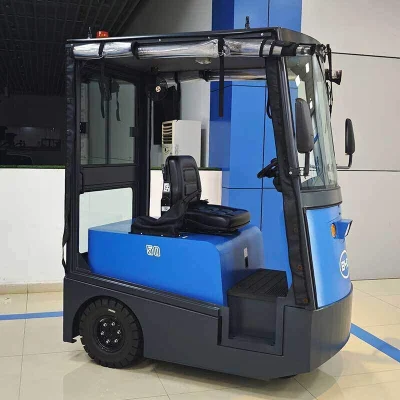
First, explosion-proof ratings only apply to the design as built from the manufacturer. Any modification to electrical components, enclosures, or sealing structures voids the safety rating and creates unaddressed risk. Facilities should never alter any part of the explosion-proof system.
Second, regular inspection is mandatory. Seals can degrade over time from cleaning chemicals, impact damage, or regular wear. Inspect all enclosure seals and electrical components at scheduled intervals to confirm integrity. Any damaged seals must get replaced with manufacturer-approved parts to maintain full protection.
Third, explosion-proof design does not eliminate all fire or explosion risk. Facilities must still maintain proper dust control practices including regular workplace cleaning and dust extraction systems to keep suspended dust concentrations below explosive levels. Explosion-proof design adds an extra layer of protection, it does not replace basic facility safety protocols.
Frequently Asked Questions
Do All Food Processing Facilities Need Explosion-Proof Electric Forklifts?
No. Only facilities processing dry bulk materials that generate combustible dust need this specialized design. Facilities handling only pre-packaged food, liquid products, or non-combustible food materials do not require explosion-proof certified units.
Can I Retrofit A Standard Electric Forklift To Meet Explosion-Proof Requirements?
Most standard electric forklifts cannot support safe retrofitting. Retrofitting requires complete redesign of electrical systems and enclosures, and most aftermarket modifications fail to meet required safety certifications. Uncertified modifications leave hidden ignition risks that can trigger explosions. Purchasing purpose-built explosion-proof units is the only safe approach.
How Often Should I Inspect My Explosion-Proof Electric Forklift?
Inspection frequency depends on usage intensity and environmental conditions. Most facilities complete a basic visual inspection of seals and enclosures before each shift. A full detailed inspection by trained technicians should occur at least once every 12 months, or more often if the forklift operates in extremely dusty conditions daily. Always follow the manufacturer recommended inspection schedule aligned with your specific unit.