Cold Climate Storage and Operational Adjustments Optimize Counterbalance Forklift Uptime
News 19/10/2026
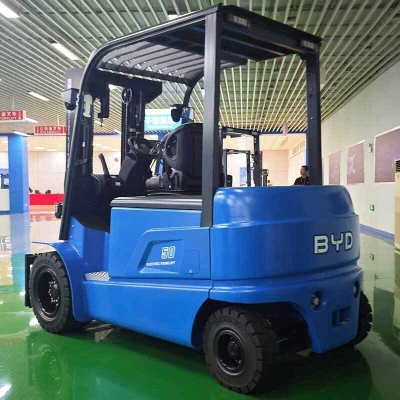
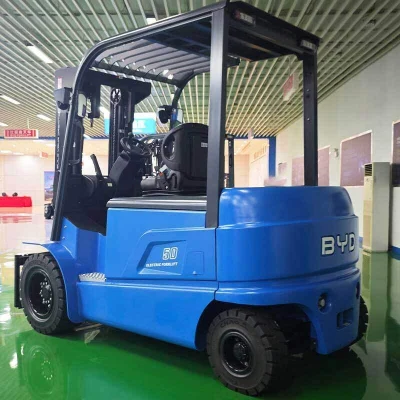
Cold climate and cold storage operations regularly face unplanned counterbalance forklift downtime caused by temperature-related component wear, capacity loss and system failures. Simple configuration checks and operational adjustments cut this risk dramatically, keeping fleets running consistently across daily shifts.
Core Configuration Checks Cold Storage Operations Need
Battery and Energy System Requirements
Cold storage environments expose counterbalance forklift systems to extreme temperature swings. Many standard battery systems lose capacity as ambient temperatures drop. When evaluating configurations, you must:
- Confirm manufacturer rated temperature ranges covering both daily operation and overnight storage on site
- Check if built-in battery heating systems ship as standard equipment or require custom ordering
- Ask about available capacity adjustments your BMS (battery management system) applies at sub-zero temperatures
- Verify charging area temperature requirements align with your facility capabilities
Hydraulic, Sealing and Component Protection
Low temperatures thicken standard hydraulic fluids and degrade common rubber seals. This leads to slow response, leaks, and unplanned downtime. Procurement teams need to:
- Confirm all seals and gaskets use materials rated to your facility’s coldest operating temperature
- Request manufacturer approved low-viscosity fluid specification before accepting delivery
- Check sealing on all electrical wiring, sensor connections, and display screens to prevent condensation damage
Operational Adjustments That Boost Uptime
Overnight and Long-Term Storage Adjustments
Many fleets leave counterbalance forklift parked inside cold storage at end of shift. This practice accelerates component wear. Common actionable adjustments include:
If your facility allows, park fully charged units in temperature-controlled areas when not in use. This keeps battery and hydraulic systems within optimal operating ranges and cuts warm-up time at shift start.
If on-site temperature-controlled parking space is limited, activate battery heating systems 30 to 60 minutes before shift start to bring systems up to safe operating temperature. Follow manufacturer guidance on heating duration to avoid excess energy draw.
Daily Operational Best Practices
- Inspect brake components and tire pressure before starting daily operations. Cold temperatures make tire pressure drop faster and brake fluids thicken, reducing stopping performance.
- Allow 5 to 10 minutes of idle warm-up after turning on the unit before moving full loads. This lets hydraulic fluids reach working viscosity and improves control.
- Address any condensation build-up on display screens and sensors before starting work. This prevents incorrect sensor readings and control errors.
Key Configuration Comparison Table
This table organizes core checks procurement teams use when evaluating options for cold climate operations:
| Configuration Item | Cold Storage Risk Without Proper Setup | Required Confirmation From Supplier | Standard / Optional Status |
|---|---|---|---|
| Low temperature battery system | Excessive capacity loss, unexpected shutdown | Minimum operating and storage temperature rating | Optional on most standard units |
| Low temperature hydraulic fluid & seals | Slow lift response, seal failure, fluid leaks | Material rating matching your facility’s lowest temperature | Optional, requires custom order |
| Sealed electrical components | Condensation damage, short circuits, sensor errors | Ingress protection rating compatible with frequent temperature swings | Standard on cold-spec models, optional on standard units |
| Cab defrost system | Obstructed operator visibility, increased safety risk | Power draw compatibility with your battery system | Optional |
Always share your facility’s maximum and minimum operating temperatures with your supplier to get accurate configuration recommendations that match your operational needs.
Frequently Asked Questions
Can standard counterbalance forklift work in cold storage environments?
Some standard units can operate temporarily in moderately cold environments, but unmodified units face higher risk of unplanned downtime. Long-term continuous use in sub-zero conditions requires cold-specific configurations, which most standard units do not include.
What checks should I complete during pre-delivery inspection?
Verify all cold-specific configuration items your order includes match the supplier’s specification. Check sealing on all electrical components, confirm correct fluid type installed, and test battery heating and defrost systems before putting the unit into service.
Do counterbalance forklift work better than other forklift types in cold storage?
Counterbalance forklift suits open areas, wide aisles, and outdoor loading tasks connected to cold storage facilities. Narrow aisle high bay storage needs different reach or stacker forklift types. Suitability depends on your aisle width, lifting height, load size and daily task mix. Always match vehicle type to your specific facility layout.
What maintenance adjustments reduce cold-related downtime?
Increase frequency of visual inspections for leaks and seal wear during cold weather months. Check battery charge levels and capacity more often to account for temperature-related capacity changes. Follow manufacturer recommended service intervals for fluid changes in cold operating environments.
Before purchasing any counterbalance forklift used in cold climate storage operations, compile your facility temperature range, average daily shift length, aisle dimensions, maximum load weight and maximum lifting height. Share these details with your supplier to get accurate configuration recommendations that match your operational needs.