Rated Capacity Versus Real Load Demands: Evaluating Different Forklifts Type in Four-Wheel Counterbalance Electric Procurement
News 22/10/2026
When sourcing four-wheel counterbalance electric forklifts, buyers often confuse rated capacity figures printed on equipment nameplates with actual load needs their operation requires. This guide breaks down key comparisons and evaluation steps to help you make informed purchasing decisions aligned with common operational needs.
Core Differences Between Rated Capacity And Real-World Load Requirements
Rated capacity refers to the manufacturer’s published maximum load a forklift can lift under controlled standard test conditions. These standard conditions typically include a set 500mm load center distance, flat solid ground, and full mast extension. The figure exists to create a consistent baseline manufacturers and buyers use to compare different models.
Real load demands cover all actual variables your unique operation introduces. These variables include uneven ground, longer load center distances from oversized loads, frequent full mast extension, sloped work areas, and regular tight turns. Many buyers make the mistake of matching rated capacity exactly to their average load, which leads to unsafe operation or premature equipment wear. Even small changes to operating conditions can reduce maximum safe working load significantly.
Common Configuration Variations Within Four-Wheel Counterbalance Electric Forklifts
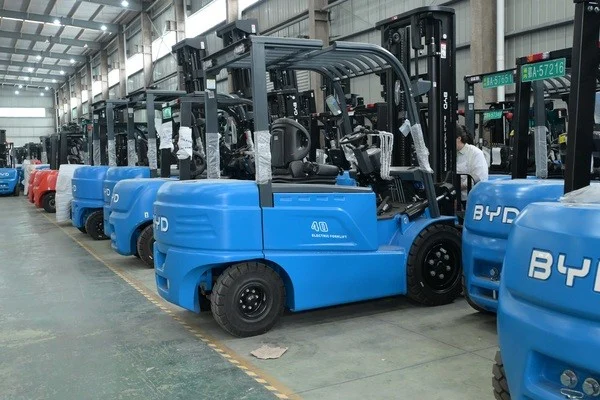
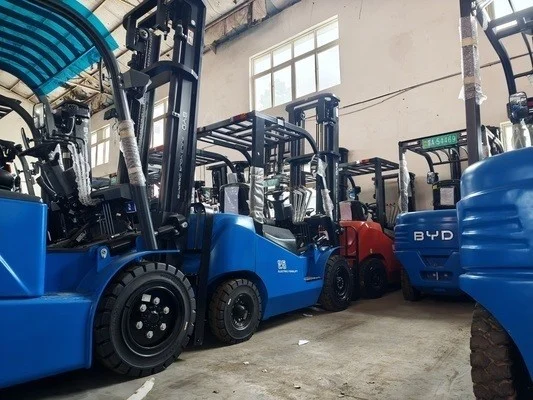
Within the four-wheel counterbalance electric forklift category, multiple configurations exist to match different load and operation demands. We carry only BYD four-wheel counterbalance electric models, including lithium-ion battery options, so this evaluation focuses exclusively on these configurations:
- Standard lithium-ion models: These fit most general warehouse, factory, and yard loading tasks. Frame and counterweight design supports published rated capacity across common lifting heights up to standard ranges.
- High-capacity base models: Built to handle heavier peak loads, these units add extra counterbalance mass to maintain stability when lifting above standard weight ranges. They work well for operations that regularly move loads near the upper end of their weight range.
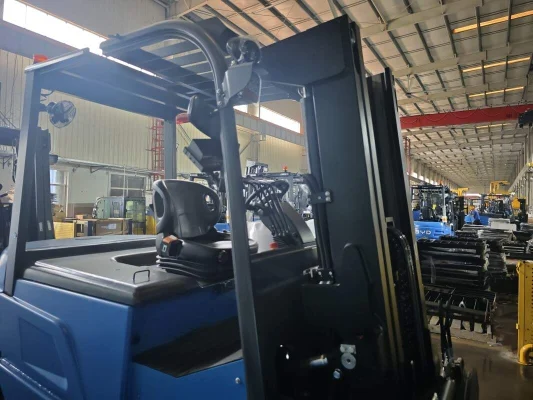
- High-lift mast configurations: Mast design changes alter load capacity; higher lift heights reduce maximum safe operating load even within the same base frame size. Buyers must adjust capacity selection when they need lifting beyond standard heights.
Other forklift types, including three-wheel units, reach trucks, and pallet movers, exist outside our current sales scope. We do not recommend these options through our channel, so this evaluation excludes them from detailed analysis.
Key Factors That Shift Load Capacity Requirements
Load Center Distance
Rated capacity uses a standardized load center distance set by the manufacturer. Any deviation from this standard changes the maximum safe load you can handle. If your loads sit further from the mast than the standard distance, you need a higher base rated capacity to compensate for the increased leverage on the mast and frame.
Work Site Conditions
Sloped ground, uneven pavement, and frequent turning change forklift stability. Operations with regular sloped access or unimproved yard surfaces need higher base capacity to maintain safe load handling during movement.
Operating Frequency
Multi-shift daily operation increases wear on lift and drive systems. Matching rated capacity slightly above your peak load reduces long-term stress on components, extending service life of your equipment.
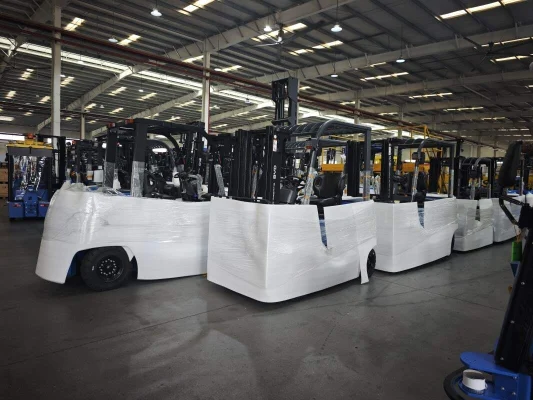
If you share your specific site conditions, load weight, lift height, and load dimensions with our team, we can help you identify the correct BYD four-wheel counterbalance electric forklift configuration that matches your real load demands.
Frequently Asked Questions
Does rated capacity reflect maximum load I can lift daily?
No. Rated capacity reflects performance under controlled standard test conditions. Real-world conditions almost always reduce the maximum safe load you can lift consistently. You must adjust your selection based on your unique site and load variables.
Should I select a model with rated capacity higher than my peak load?
Most operations benefit from a small buffer between peak real load and the forklift’s rated capacity. This buffer accounts for unexpected load variations and site condition changes that impact overall stability. The exact buffer size depends on your specific operating conditions.
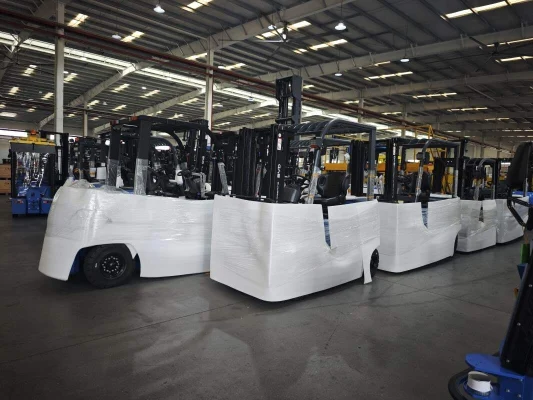
Can four-wheel counterbalance electric forklifts handle non-standard load shapes?
Four-wheel counterbalance models work well with many standard and non-standard load shapes, but you must adjust capacity selection based on actual load center distance. Share your load dimensions with our team to confirm compatibility before you finalize your purchase.
Evaluating rated capacity against your real load demands helps you avoid overpaying for excess capacity or facing safety risks from insufficient capacity. All models we offer come from BYD, with lithium-ion battery options available across most configuration ranges.