Counterbalance Forklift Pre-Purchase Inspection: Critical Checks Buyers Prioritize
News 10/10/2026
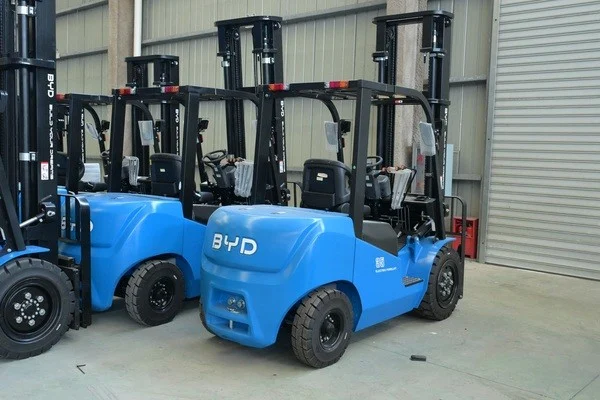
Whether you source new or used equipment, a thorough pre-purchase inspection keeps your operations running and reduces unexpected repair costs. Counterbalance forklifts feature distinct design that places weighted counterbalance at the vehicle rear, so inspection requirements differ from other material handling equipment. This guide breaks down critical checks buyers prioritize to make informed purchasing decisions.
What Makes Counterbalance Forklift Pre-Purchase Inspections Unique?
Counterbalance forklifts rely on rear-mounted weight to offset heavy front loads carried on forks. This core design means structural integrity, powertrain performance, and stability carry higher safety priority than many other forklift types. Skipping key checks can lead to catastrophic stability failures, safety incidents, and costly unplanned downtime. Inspections tailored to this equipment match its unique operating demands.
Core Structural and Chassis Checks
Mast and Lift Assembly Inspection
The mast handles all load lifting and lowering, so it sees constant stress during operation. Common wear points require close evaluation:
- Check mast rails for visible cracks, gouges, or bent sections that signal structural damage
- Inspect lift chains for uniform tension, broken links, or excessive stretch; uneven tension means accelerated wear
- Look for leaks along hydraulic hoses and cylinders; even small leaks indicate potential pressure loss during operation
- Test full lift and lower cycles to identify any jitter, sticking, or unusual noises that signal internal issues
Frame and Counterweight Integrity
The counterweight is the most critical component that keeps the forklift stable under load. Loose or damaged counterweight creates extreme tip-over risk. Check these points:
- Verify all mounting bolts holding counterweight are tight and show no signs of corrosion or damage
- Inspect the entire frame for cracks, especially around high-stress areas such as welding points and axle mounts
- Look for signs of previous collision damage that could weaken structural integrity
Tire and Axle Condition
Tires and axles directly impact traction, steering, and load stability. Check both based on your operational environment:
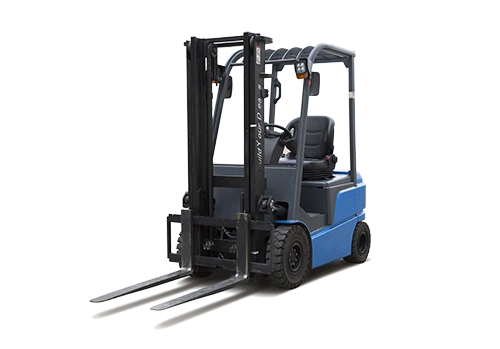
- Pneumatic tires: Check air pressure, tread depth, and sidewalls for cuts or bulges that can lead to blowouts
- Solid tires: Look for chunking, excessive wear, or damage to the tire surface that requires early replacement
- Check axle play by rocking the wheels; excessive movement signals worn bearings that need replacement
Powertrain and Operational Checks
Engine or Motor Performance Evaluation
Counterbalance forklifts come in both internal combustion and electric models, each requiring specific performance checks:
- Internal combustion models: Start the engine and let it idle; check for rough idle, abnormal exhaust smoke, or unusual engine noises. Check fluid levels for signs of contamination.
- Electric models: Check battery age, number of charge cycles, and terminal corrosion. Test full operational run time under load to confirm battery holds sufficient charge.
Brake and Steering Function
Brake and steering issues are top safety hazards on any forklift. Test both under operating conditions:
- Test braking at low speed; confirm the forklift stops quickly without pulling to one side
- Check steering wheel play; excessive play means worn steering components that increase accident risk
- Test power steering assistance; confirm steering feels smooth through full turning cycles
Hydraulic System Assessment
All load handling functions rely on hydraulic system performance. Check these key areas:
- After lifting a load to full height, stop and hold position; check for spontaneous lowering that signals internal leakage
- Check all hose connections and cylinder seals for visible oil leaks
- Confirm hydraulic oil level falls within manufacturer recommended range
Safety and Compliance Checks
Required Safety Feature Verification
All operational counterbalance forklifts need working safety features to meet workplace safety rules. Verify every required feature functions correctly:
- Seat belt and seat interlock systems that prevent operation when driver not seated
- Working horn, overhead warning lights, and reverse audible alarm
- Clear and visible load capacity rating posted on the forklift
- Overhead guard and fork guards that show no structural damage
Documentation and Compliance Review
Always review available documentation alongside physical inspection. Request and verify:
- Previous maintenance and repair history
- Valid safety inspection certificates required by local regulatory bodies
- Original manufacturer specification documents
Frequently Asked Questions
Can I complete a pre-purchase inspection myself?
Buyers with in-house experienced forklift technicians can complete basic visual and operational checks. Complex issues such as internal hydraulic wear, hidden frame cracks, or motor internal damage require professional diagnostic equipment. Complete basic checks first, then bring in professional support for deep evaluation before finalizing purchase.
Do pre-purchase inspections apply to new counterbalance forklifts?
New counterbalance forklifts leave factories with quality assurance checks, but transport and handling can cause hidden damage. Always complete a walkaround inspection and functional test when accepting delivery. Confirm all documentation, accessories, and safety features match your order before signing acceptance documents.
What issues immediately remove a used counterbalance forklift from consideration?
Critical issues that create unacceptable safety or cost risks include: structural frame cracks, loose or damaged counterweight, complete brake system failure, persistent major hydraulic leaks, and irreparable engine or motor damage. These issues lead to high repair costs and ongoing safety risks, so most buyers walk away from equipment with these problems.
How does inspection align with my operational needs?
Tailor your inspection depth based on planned use. If you use the forklift for heavy daily load handling in a warehouse, prioritize mast, powertrain, and structural checks. If you need the equipment for occasional light use, you can accept minor cosmetic wear that does not impact safety or function.
A thorough pre-purchase inspection protects your business investment and keeps worksites safe. Prioritize critical checks aligned with your planned use, document every finding, and only move forward with purchase once all critical items meet your requirements. This process helps you avoid unexpected costs and select equipment that matches your operational demands.