How Many Types of Forklift Are There: A Comprehensive Overview of Industry Standard Classes Supporting Informed Material Handling Equipment Selection
News 07/10/2026
Wondering how many types of forklift exist? Material handling operations rely on consistent classification systems to help teams select correct equipment. Most global industrial operations align with OSHA’s seven standard forklift classes, each built to serve specific work environments and load requirements. This overview breaks down each class, common applications, inherent limitations and selection guidance to support informed equipment choices.
Core Industry Standard Forklift Classes
Class 1: Electric Motor Rider Trucks
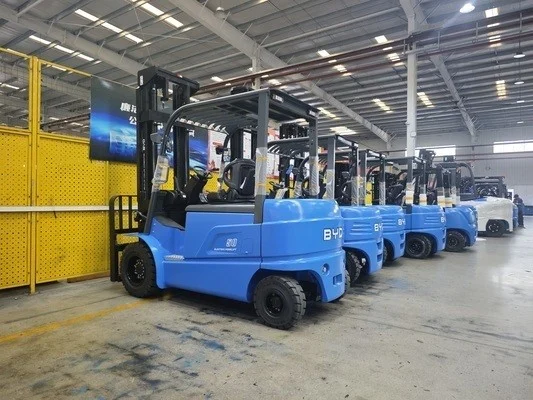
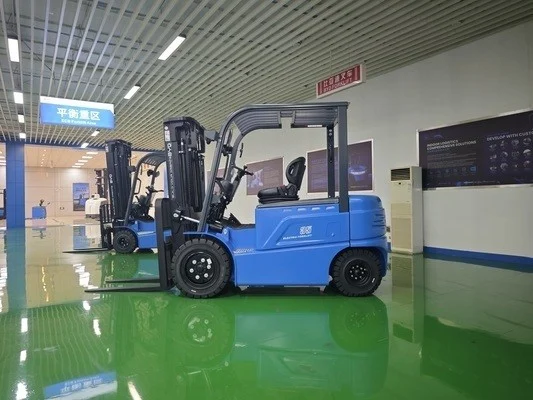
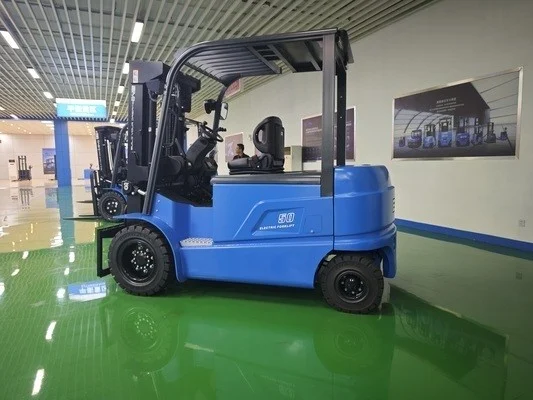
These sit-down or stand-up rider forklifts use electric power sources, typically rechargeable batteries. They produce zero on-site emissions, making them suited to indoor operations like retail storage, general warehousing and manufacturing assembly lines. Counterweight design supports stable load handling up to several tons. Common limitations include lower performance in wet or rough outdoor terrain, and regular battery charging requirements that add to daily operational planning.
Class 2: Electric Motor Narrow Aisle Trucks
Engineered to fit tight warehouse layouts, these forklifts maximize vertical storage space within dense racking systems. They include order pickers and reach trucks, built to access high storage shelves in narrow aisles. Like Class 1 models, they run on electric power with zero indoor emissions. Their primary limitation lies in lower maximum load capacities compared to larger counterbalance models, making them incompatible with extremely heavy oversized loads.
Class 3: Electric Hand Trucks / Pallet Jacks
These walk-behind or hand-controlled electric forklifts handle horizontal movement of palletized loads. Common applications include loading delivery bays, moving stock within small storage areas and short-distance transport around manufacturing floors. They have compact size, low upfront cost and simple operation. Limitations include minimal lift height, usually under 10 feet, and low load capacity compared to larger rider models.
Class 4: Internal Combustion Engine (ICE) Cushion Tire Trucks
These forklifts run on gasoline, diesel or liquid propane gas engines. They feature solid cushion tires built to operate on smooth, paved indoor or outdoor surfaces. They often handle heavy loads in manufacturing facilities, shipping terminals and retail distribution centers with paved lots. Their solid tires provide better maneuverability on flat hard surfaces, but they cannot traverse uneven or unpaved terrain.
Class 5: Internal Combustion Engine Pneumatic Tire Trucks
These ICE-powered forklifts use air-filled pneumatic tires built to traverse uneven, rough or unpaved surfaces. They work well across construction sites, lumber yards, outdoor storage lots and shipping ports where terrain lacks smooth paving. They handle heavy loads up to 30+ tons depending on model design, and deliver strong traction on loose gravel or muddy ground. Their larger tires and higher ground clearance make them less maneuverable in tight indoor aisles, and engine emissions rule out prolonged use in enclosed spaces.
Class 6: Electric and ICE Tow Tractors
These forklift variants pull multiple trailer loads behind the main tractor unit, rather than lifting heavy loads vertically. Common applications include airport baggage handling, large manufacturing assembly lines and distribution centers where multiple carts move materials across long distances. They have high towing capacity but minimal vertical lift capability, so they cannot replace standard lifting forklifts for loading or storage tasks.
Class 7: Rough Terrain Forklifts
These heavy-duty forklifts feature high ground clearance, heavy-duty pneumatic tires and powerful engines engineered to operate across unimproved outdoor terrain. They see common use on construction sites, forestry operations, agricultural storage yards and new building projects where loads need lifting on uneven ground. Most models have outriggers for stable lifting of heavy construction materials at height. They are too large and aggressive for indoor warehouse use, and require regular maintenance to handle harsh outdoor conditions.
Key Selection Criteria
Operating Environment
Indoor enclosed operations require electric powered models to avoid harmful exhaust exposure. Outdoor unimproved sites need rough terrain or pneumatic tire ICE models to handle uneven ground. Always match power source and tire type to your most common work environment to avoid premature equipment wear or safety risks.
Load Specifications
Confirm maximum load weight and required maximum lift height before selecting a forklift class. Narrow aisle models work well for lighter high-lift storage, while pneumatic tire ICE models handle heavy oversized construction loads.
Work Site Space Constraints
Warehouses with narrow aisles require Class 2 narrow aisle trucks to access storage without extra modification to racking layout. Open outdoor sites can accommodate larger Class 5 or Class 7 models without space issues.
Frequently Asked Questions
Are there forklift types outside these seven standard classes?
Yes, specialty manufacturers produce custom forklift variants across niche applications. These include side loaders for long materials like lumber or pipe, and container handlers for port operations. Most fall under broader classifications aligned with one of the seven core industry standard classes.
Can any forklift work across multiple types of work sites?
Some multi-purpose models adapt to light indoor and outdoor use, but most models prioritize performance in specific environments. Electric models with sealed batteries can handle occasional outdoor use in dry conditions, but prolonged exposure to moisture causes damage. ICE-powered models can work indoors for short periods with proper ventilation, but prolonged use creates health risks from exhaust.
Do all regions use the same seven-class classification system?
Most industrial regions, including North America and the EU, recognize the seven-class system originally established by OSHA. Some regional standards use minor variations, but core class groupings based on power source and design remain consistent across most global industrial operations.
What safety training requirement applies to different forklift types?
Operators need specific training matching the class of forklift they operate. Different classes have unique handling characteristics and safety risks, so training cannot transfer across different classes without additional assessment.
Understanding how many types of forklift exist and their standard classification helps teams avoid costly wrong equipment purchases or rentals. Align your selection with operating environment, load requirements and site space to get reliable performance and safe operation. Always confirm equipment specifications with suppliers before finalizing any purchase or rental agreement.