Ramp Gradients and Braking Distance: Verifying 5 Ton Electric Forklift Capability on Dock Inclines
News 22/10/2026
Operations on loading dock inclines demand clear understanding of 5 ton electric forklift capability, specifically around ramp gradient limits and braking distance. This guide focuses on four-wheel counterbalance electric forklifts, the most common general-purpose type used in freight loading and unloading operations.
Core Factors Affecting 5 Ton Electric Forklift Ramp Performance
Ramp capability depends on multiple design and site factors, starting with vehicle weight distribution and power output. Modern lithium-powered 5 ton four-wheel counterbalance electric forklifts benefit from balanced battery placement that improves overall stability on slopes.
Ramp Gradient Rating Basics
Manufacturers separate gradient ratings into two key categories. Maximum climb gradient describes the steepest slope a vehicle can ascend under specified conditions. Working gradient describes the maximum slope a vehicle can operate on safely during daily use.
A 5 ton vehicle carrying its full rated load will have a lower safe gradient limit than the identical vehicle running empty. Tire traction, motor torque, and vehicle center of gravity all impact this rating.
Braking Distance Variables On Dock Inclines
Braking distance changes dramatically when vehicles operate on sloped dock surfaces. Downhill inclines add gravitational force to moving vehicles, extending stopping distance compared to level ground. Several key variables alter expected braking distance:
- Payload weight: A full 5 ton payload increases kinetic energy, requiring longer distance to bring the vehicle to complete stop
- Gradient steepness: Steeper downhill slopes add greater gravitational pull, increasing stopping distance proportional to slope angle
- Surface condition: Wet, oily, or uneven dock surfaces reduce tire traction, extending braking distance even with properly maintained brake systems
- Brake system design: Regenerative braking common in modern electric forklifts helps slow vehicles consistently on slopes, reducing load on mechanical brakes
Insufficient clear space on dock ramps increases collision risk with parked trucks or dock edges. Operations must account for extended stopping distance on all inclines.
Capability Verification Steps Your Site Can Implement
Before putting a 5 ton electric forklift into regular service on your dock incline, complete these practical checks to confirm safety and capability:
Review Model-Specific Manufacturer Specifications
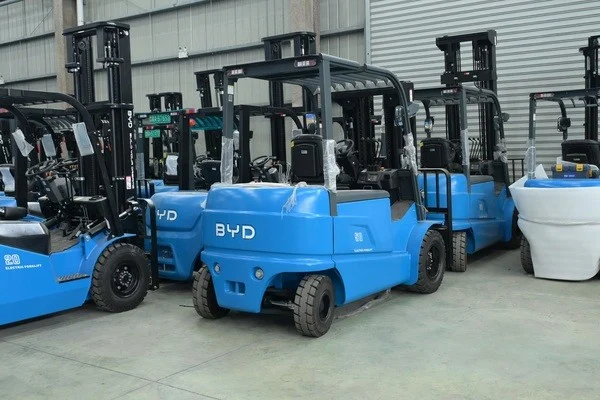
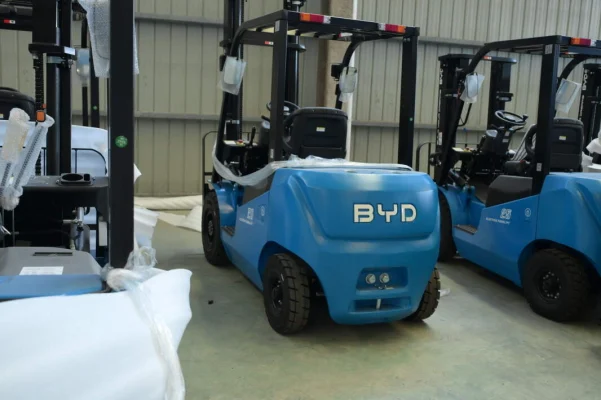
Always reference documentation matching your exact vehicle model. BYD lithium four-wheel counterbalance electric forklifts list gradient and braking performance based on payload, so confirm values apply to your typical operating load.
Conduct Low-Speed Braking Tests
Test stopping performance with a load matching your typical daily payload before full operation. Measure stopping distance from common operating speeds to confirm it fits within the clear space available on your ramp. Start at low speed to avoid safety incidents during testing.
Add Safety Margin For Site-Specific Conditions
If your ramp sees frequent moisture, debris, or uneven pavement, add at least 20% extra safety margin to your required braking distance and stick to lower operating speeds. Narrow ramps also require slower speeds to accommodate oncoming traffic or maneuvering space.
Common Operating Limitations To Remember
5 ton four-wheel counterbalance electric forklifts suit many dock ramp applications, but clear boundaries exist. Inclines steeper than the manufacturer rated limit increase strain on motors and braking systems, raising risk of premature component wear or safety incidents.
Four-wheel counterbalance models require stable, paved ramp surfaces. Unpaved or poorly maintained slopes reduce traction, so complete additional assessment before regular operation. Continuous operation on long, steep inclines increases battery consumption, even with high-efficiency lithium battery designs. Plan charging stops aligned with your shift length to avoid unexpected downtime.
If you want customized guidance matching a 5 ton BYD four-wheel counterbalance electric forklift to your dock, share your ramp gradient, typical payload and available clear space with our team.
Frequently Asked Questions
What maximum safe gradient works for a 5 ton electric forklift?
Safe maximum gradient depends on specific vehicle model, payload, and site conditions. Always follow published specifications from your vehicle manufacturer. Most 5 ton four-wheel counterbalance electric forklifts handle moderate inclines common in standard freight dock operations when operated within rated limits.
Does regenerative braking improve downhill ramp performance?
Regenerative braking, standard on most modern lithium-powered electric forklifts, helps maintain consistent speed during downhill travel. This delivers more predictable stopping performance and reduces wear on mechanical brake components over time.
How does wet ramp surface change operating requirements?
Wet ramp surfaces require reduced operating speeds and increased stopping distance clearance. Always avoid sudden acceleration or braking to prevent skidding. Add extra safety margin to all capability assessments when surface conditions are less than ideal.