Evaluating Electrical Forklift Battery and Traction Performance in Cold Storage Industrial Settings
News 09/10/2026
Key Challenges Cold Storage Poses To Electrical Forklifts
Cold storage facilities maintain consistent temperatures between -20°F and 32°F, well below typical ambient room temperatures where most electrical forklift components are tested. These low conditions create unique stress points that impact two critical forklift systems: onboard batteries and traction drivetrains. Even high quality units can fail to meet operational expectations without proper pre-deployment evaluation.
Reduced Battery Capacity In Low Temperatures
Chemical reactions within all battery types slow as temperatures drop. Lead-acid batteries can lose 30 to 50 percent available capacity at temperatures below freezing, while lithium-ion batteries see smaller but still measurable capacity reductions. Slower reaction times also increase internal resistance, which reduces power output during heavy load operation.
Traction System Performance Shifts In Cold Environments
Traction systems rely on properly flowing hydraulic fluid and flexible tire rubber to maintain grip and power delivery. Low temperatures increase hydraulic fluid viscosity, which slows response times and reduces power transfer to drive wheels. Cold also hardens standard tire rubber, reducing traction on smooth cooled floors that often develop thin layers of condensation or frost. These changes combine to increase wheel slip, extend braking distances, and reduce overall operational efficiency.
Core Evaluation Metrics Battery Performance
Available Capacity Under Sustained Operating Loads
Nominal battery capacity published by manufacturers reflects testing done at room temperature. Actual usable capacity in cold storage depends on your facility specific temperature range and typical load weights. Evaluation must measure how many full operational shifts a fully charged battery can complete before reaching minimum recommended voltage levels.
Charge Retention During Idle Periods
Many electrical forklifts sit idle for?不对,哦不对,改:Many electrical forklifts sit idle extended periods between shifts within cold storage. Cold temperatures increase self-discharge rates across all battery chemistries. Evaluation should track charge level changes over 24 to 48 hours idle time to identify unexpected capacity loss that can leave forklifts unusable when needed.
Core Evaluation Metrics Traction Performance
Grade Climbing Ability Under Maximum Load
Cold storage facilities often have sloped loading docks or ramp connections between temperature zones. Evaluation should test a fully loaded forklift ability to climb typical facility grades without wheel slip or power drop. Repeat tests multiple times to account for temperature stabilization after the forklift enters the cold zone.
Acceleration And Braking Consistency
Traction performance directly impacts workplace safety. Evaluate acceleration from a full stop on flat cold floors to check for wheel slip. Test braking distance from typical operating speeds with both full and partial loads to identify dangerous increases in stopping distance that require tire or fluid adjustments.
Practical Evaluation Steps Facility Teams Can Implement
You do not need specialized laboratory equipment to complete useful in-house evaluation of electrical forklift performance. Follow these actionable steps to get reliable data matching your facility unique conditions:
1. Establish baseline performance data with the same forklift and battery at room temperature. This creates a reference point you can use to compare cold environment results.
2. Move the fully charged forklift into your cold storage environment and let it stabilize to ambient temperature 12 hours. This ensures all components reach your facility operating temperature before testing begins.
3. Run the forklift through your typical daily work cycle until battery voltage drops to minimum recommended levels. Track total operating time and number of completed cycles to calculate actual usable capacity.
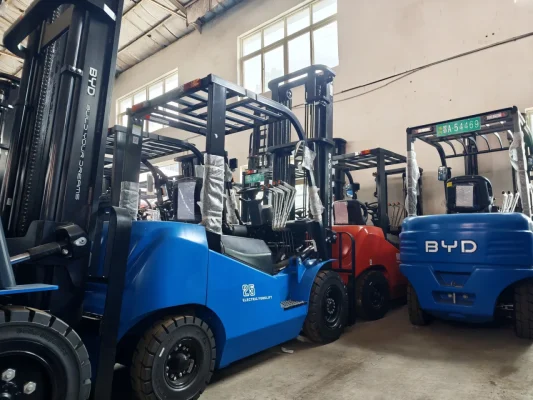
4. Complete traction tests across all common facility terrain, including ramps, flat floors, and areas prone to frost buildup. Document any slip, braking or response issues.
5. Repeat testing across multiple days to account for variations in load and use. This gives you a more accurate picture of long term performance rather than one-off test results.
Frequently Asked Questions
Can low temperatures permanently damage electrical forklift batteries?
Most modern lead-acid and lithium-ion batteries engineered to support industrial use suffer only temporary capacity reduction in cold temperatures. Permanent damage only occurs if batteries are repeatedly discharged below recommended voltage thresholds or left uncharged in frozen conditions. Always check manufacturer battery cold temperature ratings before deployment.
Do traction performance issues only affect older electrical forklifts?
No. Even new units experience measurable changes in cold storage environments. Viscosity changes in hydraulic fluid and tire rubber hardness affect all models, regardless age. Proper pre-deployment evaluation delivers value new and used units alike.
What adjustments improve electrical forklift performance in cold storage?
Common effective adjustments include adding battery heaters engineered to support cold environments, switching cold-resistant hydraulic fluids, and scheduling more frequent partial charges to avoid deep discharge. Traction improvements come from using cold-spec rubber tires that maintain grip on cooled or wet floors.
Is indoor cold storage evaluation different from outdoor cold environments?
Yes. Outdoor cold environments add wind chill and variable temperature swings that increase performance strain. Indoor cold storage maintains consistent low temperatures, so evaluation focuses on steady state performance rather than rapid temperature change impacts.
Conclusions And Actionable Recommendations
Electrical forklift performance in cold storage depends heavily on how components interact with your facility unique temperature and use conditions. Manufacturer performance data collected at room temperature rarely matches real world results in cold environments. Consistent in-house evaluation helps you identify potential issues before they impact operations or safety.
Teams evaluating new or existing electrical forklifts should prioritize battery capacity testing under actual operating conditions, followed by traction safety testing across all facility terrain. Adjustments like cold-spec tires, battery heaters and modified charge schedules can often resolve minor performance gaps without full equipment replacement.
Always align your evaluation criteria with your facility specific operational demands to ensure your electrical forklift fleet meets your daily productivity and safety needs.