Electric Forklift UK Specification: Hydraulic Attachment Flow And Capacity Derating On Four-Wheel Counterbalance Models
News 22/10/2026
Buyers sourcing four-wheel counterbalance electric forklifts across UK operations need clear understanding of two critical specifications: hydraulic attachment flow and capacity derating. These two specs directly impact operational efficiency, safety and long term value, especially when adding custom attachments beyond standard forks. This guide breaks down core concepts and key selection points aligned with common buyer needs.
Core Hydraulic Flow Specifications Four-Wheel Counterbalance Electric Forklifts
Hydraulic attachments rely on controlled hydraulic fluid flow from the forklift power unit to function. Each attachment type has specific flow requirements matched to its design and size. Too little flow causes slow, unreliable movement that cuts work output. Too much flow can damage attachment seals and internal components, leading to premature wear and unexpected downtime.
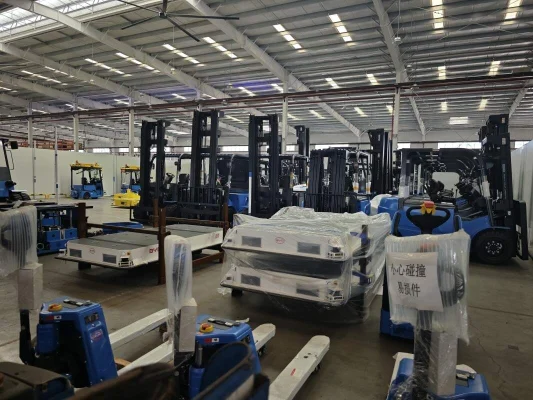
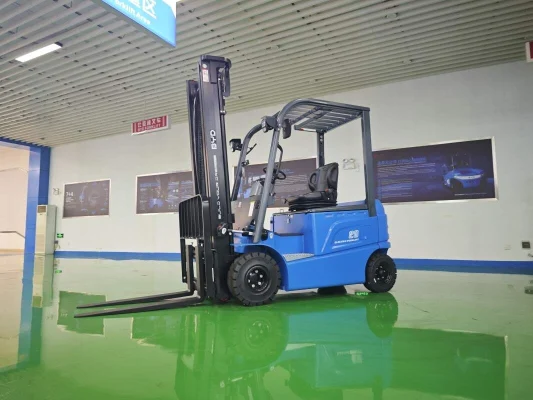
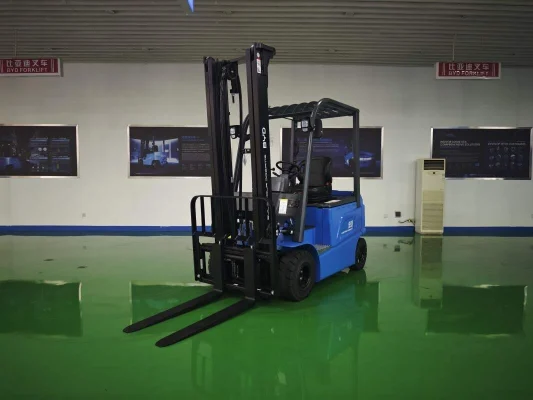
Standard factory configurations BYD four-wheel counterbalance electric forklifts include base hydraulic flow settings built for most common attachments. One example is standard side shifters, which work well with default flow settings out of the factory. Larger, more complex attachments such as carton clamps or rotator units require custom flow adjustments aligned to the attachment manufacturer requirements.
When you select an electric forklift, confirm your intended attachment flow requirements before finalizing your order. This eliminates post-delivery modifications and ensures your unit works correctly from day one.
What Capacity Derating Means When Using Hydraulic Attachments
Capacity derating refers to the reduction in a forklift maximum safe operating load after adding a non-standard hydraulic attachment. This adjustment exists because any added attachment increases weight forward of the drive axle, shifting the unit center of gravity and reducing overall stability. Derating values account for this change to keep operations safe.
Derating magnitude depends on two main factors: the attachment own weight, and how far it shifts the combined load center away from the forklift original reference point. Lightweight attachments with small size add very little extra forward weight, so derating changes remain minimal. Heavier, bulkier attachments trigger larger derating, meaning your unit can carry less total weight than its original published rating.
Every manufacturer publishes official derating tables matching their specific models and common attachment types. Always reference these tables instead of estimating maximum load on your own.
Key Considerations UK Operational Sites
UK logistics, manufacturing and retail sites face a range of common operational constraints that impact these two specifications. Most multi-shift operations rely on consistent attachment performance to meet daily throughput targets, so matching flow requirements prevents unnecessary delays. Safety regulations across UK workplaces require correct load capacity calculations, so ignoring derating creates compliance risks alongside safety hazards.
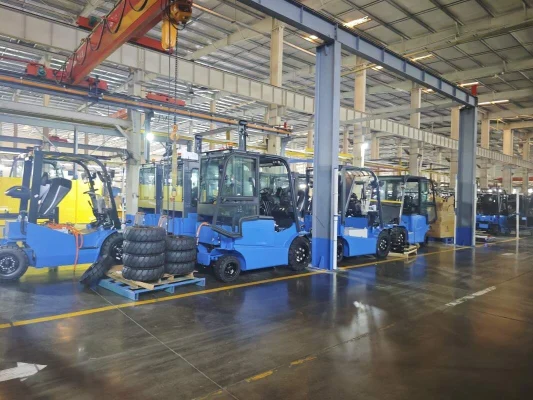
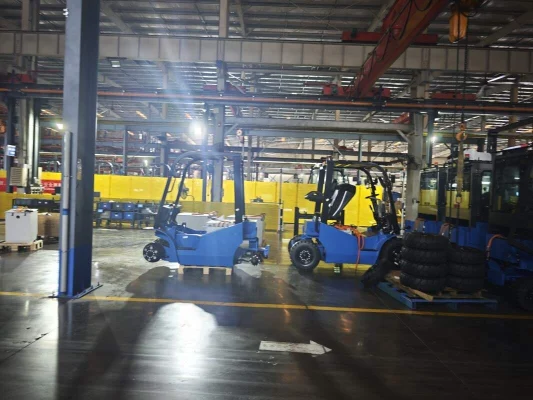
Our team only handles BYD four-wheel counterbalance electric forklift models including lithium battery variants. If you have specific attachment needs your site, share your operational details, expected attachments and load requirements our team. We can confirm correct flow settings and applicable derating values before you place any order.
Always test attachment operation with the actual load you plan to carry during initial site trials, to confirm performance meets your expectations. Adjustments can be made after delivery if needed, but pre-order matching saves time and cost.
Frequently Asked Questions
Do all hydraulic attachments need capacity derating adjustments?
No. Very small, lightweight attachments add minimal extra weight and do not shift the load center enough to require significant derating. Derating values for these accessories are often less than 5% of the original rated capacity, which does not change most daily operations. Heavier attachments require full derating calculations to maintain safe operation.
Can technicians adjust hydraulic flow after forklift delivery?
Most modern four-wheel counterbalance electric forklift models support hydraulic flow adjustment after delivery, when done by qualified service technicians. Adjustment after delivery adds extra cost and downtime, so pre-configuring flow during initial order placement remains the best approach most buyers.
Do manufacturers provide official derating data their own forklift models?
Yes. All reputable forklift manufacturers publish official derating data matching their specific models and supported attachments. This data aligns with global and UK workplace safety standards. You can access this data through your sales partner during the selection process.
Always request written derating data before you finalize your purchase, to confirm your unit meets your load capacity needs after adding your chosen attachment.